
The way fans consume sports is undergoing a significant transformation, driven by the growing importance of sports analytics. Recent games, such as those featuring the Chicago Bears and Minnesota Vikings, have highlighted the impact of data-driven insights on understanding player and team performance.
As fan engagement becomes increasingly crucial, teams and leagues are leveraging advanced statistics to enhance the fan experience. This shift is not limited to professional sports; college football is also seeing a surge in the use of analytics to inform coaching decisions and fan interactions.
The integration of sports analytics is revolutionizing how fans perceive the game, making it more about strategy and data-driven decisions. This change is captivating audiences and redefining the sports landscape.
The Evolution of Sports Analytics
The integration of technology in sports has led to a revolution in how data is collected and analyzed. This shift is transforming the way teams strategize and players perform.
Traditional Statistics vs. Modern Metrics
Traditional statistics, such as batting averages and yards per game, are being supplemented with advanced metrics that provide a deeper understanding of player performance. Modern metrics, including player tracking data and advanced sabermetrics, offer insights into aspects like player positioning, speed, and acceleration.
The Technology Behind New Data Collection
The collection of advanced game statistics is made possible by cutting-edge sports technology. This includes real-time tracking systems and artificial intelligence.
Real-time Tracking Systems
Real-time tracking systems enable the collection of instantaneous data on player movements and game dynamics. This information is crucial for coaches and analysts seeking to gain a competitive edge.
Artificial Intelligence in Sports Analysis
Artificial intelligence is being used to analyze the vast amounts of data generated by real-time tracking systems. AI algorithms can identify patterns and predict outcomes, further enhancing team strategy.

How New Statistics Change How Fans See the Game
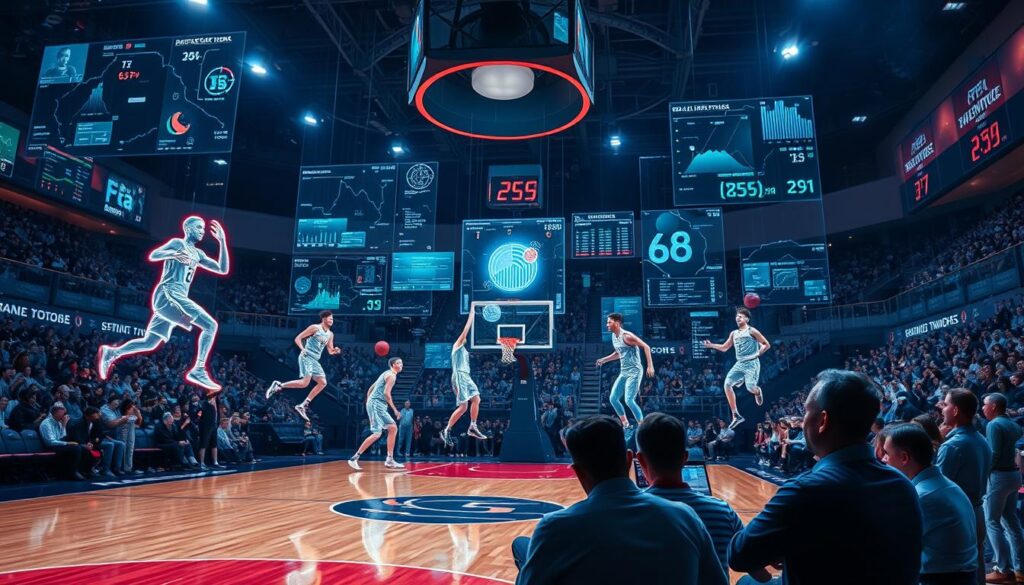
Advanced sports analytics are changing the fan experience in profound ways. The way fans consume and interact with sports is being reshaped by the availability of detailed statistical insights.
Deeper Understanding of Player Performance
New statistics provide a more nuanced view of player performance, allowing fans to appreciate the subtleties of the game. Metrics such as advanced passing statistics and defensive efficiency ratings give a clearer picture of individual contributions.
Fantasy Sports and Statistical Revolution
The rise of fantasy sports has been a significant driver of the statistical revolution. Fans are now more engaged than ever, closely following player statistics to gain a competitive edge in fantasy leagues. This has led to a broader interest in sports analytics across the fan base.
Broadcast Integration of Advanced Metrics
Television broadcasts now frequently incorporate advanced metrics, enhancing the viewer’s understanding of the game. Real-time statistics and graphical representations of player and team performance are becoming standard, making the viewing experience more informative and engaging.
The integration of new statistics into the fan experience is transforming how fans see the game, making it more engaging and interactive. As sports analytics continue to evolve, the fan experience is likely to become even more immersive.
The Future of Fan Experience in the Data Age
As sports technology continues to evolve, the future of fan experience is likely to be shaped by further advancements in data collection and analysis. Organizations like the University of Maryland Athletics are investing in resources for their football program, indicating a trend towards leveraging data for competitive advantage.
This shift is expected to enhance fan engagement through increased personalization, real-time interaction, and deeper insights into the game. The continued evolution of sports analytics will drive these changes, providing fans with a more immersive experience.
With the integration of advanced metrics and data analysis, fans can expect a more dynamic and engaging experience. The use of sports technology will continue to grow, transforming how fans consume and interact with sports.
The future of fan experience is bright, with data-driven insights and sports technology combining to create a more captivating and personalized experience for fans.

