
The speed of tennis courts has become a significant concern in professional tennis, with many players expressing dissatisfaction over the ultra-fast surfaces.
The issue is not just about the pace of the game; it’s also about player safety and the potential for injuries. When courts are too fast, it can be challenging for players to control their movements, leading to a higher risk of accidents.
Tennis court speed affects the gameplay and the overall experience for both players and spectators. The complaints from players highlight the need for a balanced approach to court surfaces, ensuring they are fair and safe for competition.
“Players Complain About Ultra-Fast Courts at Major Events”
Ultra-fast courts have been a point of contention at recent major tennis events. The speed of these courts has sparked controversy among players, with many expressing their dissatisfaction.
Recent Tournament Controversies
Several high-profile tournaments have witnessed disputes over court speed. Players have argued that the fast courts favor big servers and power players, making it challenging for defensive specialists.
Notable incidents include the 2022 US Open, where several top players complained about the court speed, citing it as a factor in their losses.
Player Statements and Social Media Reactions
Players have taken to social media to voice their concerns. For instance, a prominent player tweeted, “The court speed is ridiculous. It’s like playing on concrete.” Such statements have garnered significant attention and sparked debates among fans and fellow players.
Other players have echoed similar sentiments, stating that the ultra-fast courts compromise their ability to play strategically.
Physical Concerns Raised by Athletes
Athletes have also raised concerns about the physical impact of ultra-fast courts. The increased speed can lead to more strenuous matches, potentially causing injuries.
Safety concerns have been highlighted by several players, who argue that the fast courts can lead to overexertion and strain on the muscles and joints.
“The Science Behind Court Speed in Tennis”
Understanding the science behind court speed is essential for appreciating the challenges faced by tennis players. The speed of a tennis court is influenced by its surface characteristics, which can significantly impact the gameplay and player performance.
Court Surface Types and Their Characteristics
Tennis courts come in various surfaces, each with unique characteristics that affect the ball’s bounce and speed. The primary types of court surfaces are:
- Grass Courts: Known for being the fastest surface, grass courts provide a low bounce. They are traditionally used in prestigious tournaments like Wimbledon.
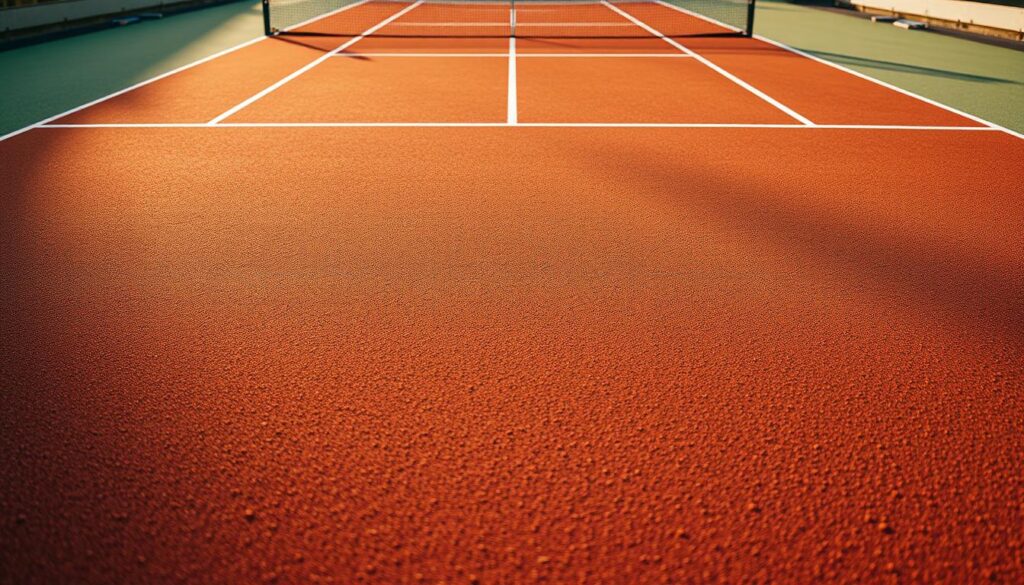
- Clay Courts: Clay surfaces are considered slow due to the high bounce and friction they generate, making them ideal for players who rely on heavy topspin.
- Hard Courts: Hard courts offer a medium-paced surface, providing a balance between bounce and speed. They are commonly used in many professional tournaments.
- Artificial Surfaces: These surfaces are designed to mimic the characteristics of natural surfaces but offer more durability and consistency.
Measuring and Classifying Court Pace
The pace of a tennis court is measured by how fast the ball bounces on its surface. Several factors contribute to court pace, including the surface material, its texture, and maintenance.
Court Pace Index (CPI) Explained
The Court Pace Index (CPI) is a standardized measure used to classify the speed of tennis courts. It takes into account the court’s surface characteristics and provides a numerical value that represents its pace. The CPI helps in comparing different courts and understanding their impact on gameplay.
By understanding the CPI and the characteristics of different court surfaces, players and coaches can better prepare for matches by adapting their strategies to the specific court conditions.
“How Ultra-Fast Courts Change the Game”
Ultra-fast courts are redefining the tennis landscape, impacting player strategies and match outcomes. The shift towards faster surfaces has significant implications for various playing styles.
Advantages for Power Players and Big Servers
Power players and big servers benefit greatly from ultra-fast courts. The quick surface allows for more effective serves, as the ball bounces faster and with more pace, making it difficult for opponents to return. Players like John Isner and Ivo Karlovic have seen success on these surfaces due to their powerful serving abilities.
Disadvantages for Defensive and Baseline Players
On the other hand, defensive and baseline players often struggle on ultra-fast courts. The fast pace of the court reduces the time available to react to shots, making it challenging for players who rely on long rallies and defensive strategies. Players like Rafael Nadal, known for their defensive prowess, have to adapt their game to succeed on these surfaces.
Statistical Analysis of Match Outcomes
A statistical analysis of match outcomes on ultra-fast courts reveals interesting trends. Matches on these surfaces tend to have shorter rallies and more aces. Data from recent tournaments shows that the average rally length decreases significantly on ultra-fast courts compared to slower surfaces.
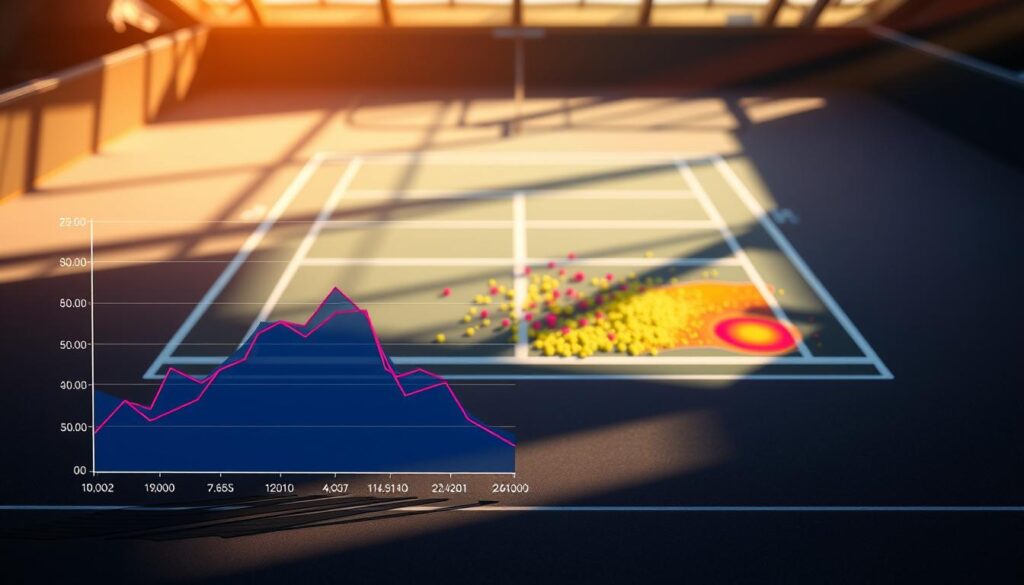
For instance, a study of match data from the ATP Tour found that on ultra-fast courts, the serve win percentage increases by up to 10% compared to slower courts. This statistic underscores the advantage that power servers have on these surfaces.
“Tournament Directors and ATP Officials Address Speed Concerns”
Tournament directors and ATP officials have been actively addressing the concerns over ultra-fast courts in professional tennis. In response to player complaints, they have been working to find a balance between maintaining the integrity of the game and ensuring player safety.
The ATP has been monitoring court speeds closely, implementing measures to adjust the surface pace where necessary. Tournament directors are also taking steps to modify court surfaces, aiming to reduce the risk of injury to players while preserving the competitive nature of the sport.
By engaging with players and coaches, officials are gathering feedback to inform their decisions on court speed. This collaborative approach is crucial in addressing the speed concerns and creating a more sustainable environment for professional tennis.
As the tennis community continues to discuss the issue, the actions taken by tournament directors and ATP officials will be pivotal in shaping the future of the sport, ensuring it remains competitive, safe, and enjoyable for players and spectators alike.

