
Ascot betting odds move fast on big race days and casual meetings alike. Whether you follow Ascot odds today or study ante-post lists, knowing where prices come from helps you spot value and avoid costly mistakes.
Bookmaker promotions shape markets. Offers such as “Bet £10 get £30” or “Bet 5p Get £40,” odds‑boost tokens, refund-as-free-bet deals, and acca insurance can nudge Ascot prices and shift punter incentives. Always check terms: qualifying stake, minimum odds, excluded payment methods like PayPal or Neteller, expiry windows for free bets, and regional restrictions.
Ascot Racecourse in Perth, Western Australia, creates specific market dynamics. Meetings including the Winterbottom Stakes, Railway Stakes and Kingston Town Classic produce deeper Ante‑post and on-course volumes. The track’s 2022m circumference, short home straight and incline test stamina and often favor front-runners when wind comes off the Swan River—factors that influence Ascot market insights and race-day pricing.
Tools and product features also matter. Operators such as 888sport post early prices and offer live streaming for qualifying bettors, while exchange hubs like Betfair show real-time depth and laying activity. Use these sources to compare Ascot prices across fixed-odds books and exchanges before committing stakes.
Ascot betting odds market overview
This brief sets the scene for reading prices at Ascot. The Ascot market overview covers how early lines form, why big summer carnivals tighten markets, and where value can hide before public money arrives.
What drives odds at Ascot
Bookmaker promotions and welcome offers shape bettor behavior. Odds boosts, free-bet incentives and acca enhancements can push customers to bet earlier or on specific markets. That activity creates temporary liquidity and skews visible prices.
Course features matter. Ascot’s short 300m straight, rising finish and triangular layout change tactical priorities. Trainers, jockey bookings and scratchings alter perceptions of stamina and speed, which feeds into price moves across racing cards.
Field size, public money, and late market news also move markets. High-profile Group 1 races attract ante-post interest, which concentrates liquidity and narrows prices for leading contenders well ahead of race day.
How bookmakers and exchanges set prices
Ascot bookmakers open fixed-odds lines, then adjust them as liabilities shift. Traders monitor stake patterns, tipster flows and race-day declarations to refine prices. Limits and max-stake rules help manage exposure on crowded books.
Betting exchanges Ascot venues provide a different model. Exchanges show live ladders, enable in-play trading and let users offer prices directly. Commission promotions sometimes increase volume, sharpening price discovery and affecting how quickly markets reset.
Early prices, ante-post markets and final pre-race books reflect different risk profiles. Bookmakers protect margins by setting opening odds and reacting to large bets. Exchanges rely on matched liquidity, which can produce narrower mid-market quotes for well-backed runners.
Typical market patterns across Ascot race days
Markets follow a predictable flow: morning early prices, mid-day adjustments as public money builds, and a tighter pre-race market. In-play can swing quickly at Ascot because late positional changes matter with the short straight.
Major meetings show contrasting behavior. Carnival Group races draw deeper markets and more ante-post trading, while regular metro cards display wider price dispersion and more late volatility.
Promotions and timing effects also create patterns. Refund-as-free-bet deals and limited-time boosts nudge volume into windows, producing short-lived distortions that savvy bettors can spot and use.
| Driver | Impact on Odds | Typical Response |
|---|---|---|
| Promotions and boosts | Short-term price compression on promoted markets | Bettors place early; bookmakers adjust lines to limit liability |
| Course layout and conditions | Shift in emphasis toward stamina or speed in certain races | Trainers and jockey changes influence market moves |
| Public money and tipster influence | Rapid shortening of well‑backed runners | Bookies trim odds; exchanges tighten spreads |
| Exchanges and commission offers | Increased liquidity, sharper prices | More accurate mid-market quotes; faster in-play adjustments |
| Field size and late declarations | Greater volatility; price swings near jump time | Market re-pricing; bookmakers limit stakes or adjust markets |
For real-time Royal Ascot odds updates and a practical odds comparison, see this resource on Royal Ascot markets: Royal Ascot odds and comparison.
Interpreting live Ascot prices and early odds

Reading market moves at Ascot starts with clear rules. Short home straights and quick climbs create rapid swings, so knowing how to read Ascot prices helps you react without guessing. Start by comparing ante-post Ascot lines with day-of prices to spot where public money or trainer news has shifted value.
Early prices vs. ante-post vs. final market
Early Ascot prices often reflect promotions from bookmakers like Bet365 and 888Sport. Those offers can make backers take longer odds before the market tightens. Promotions require close attention to T&Cs: minimum qualifying odds, excluded markets, and free-bet expiry windows. That affects whether apparent value converts into real profit when interpreting Ascot odds.
Ante-post Ascot markets behave differently. They capture trainer declarations, seasonal form and early speculation ahead of the final market. Final prices react to scratches, jockey changes and late public money. Use the differences to judge where edge may exist.
Using time-sensitive prices to your advantage
Promotional windows create chances to lock in early terms, but free bets and bet tokens lower the practical edge. Back early if your model shows genuine value and you accept promotional constraints. Wait when declarations or jockey bookings are pending, because Ascot’s profile can flip outcomes in the last furlong.
Track matched volume on Betfair exchange ladders to see whether moves are driven by heavy matched money or thin speculative bets. High volume gives stronger signals for how the final market will form. Low volume suggests caution when interpreting Ascot odds.
Tools and feeds to follow live Ascot betting odds
Use bookmaker early price pages, exchange ladders and editorial hubs such as the Betfair Hub or 888Sport blog for context. Live Ascot odds feeds power automated models and alert systems. Subscribe to reliable feeds to capture ticks during key moments in-running and pre-race.
Combine live data with simple checks: compare three bookies, check exchange depth, and note promotional constraints. That process improves how to read Ascot prices and helps spot genuine value before the crowd pushes lines beyond fair odds.
Ascot racecourse insights that impact betting
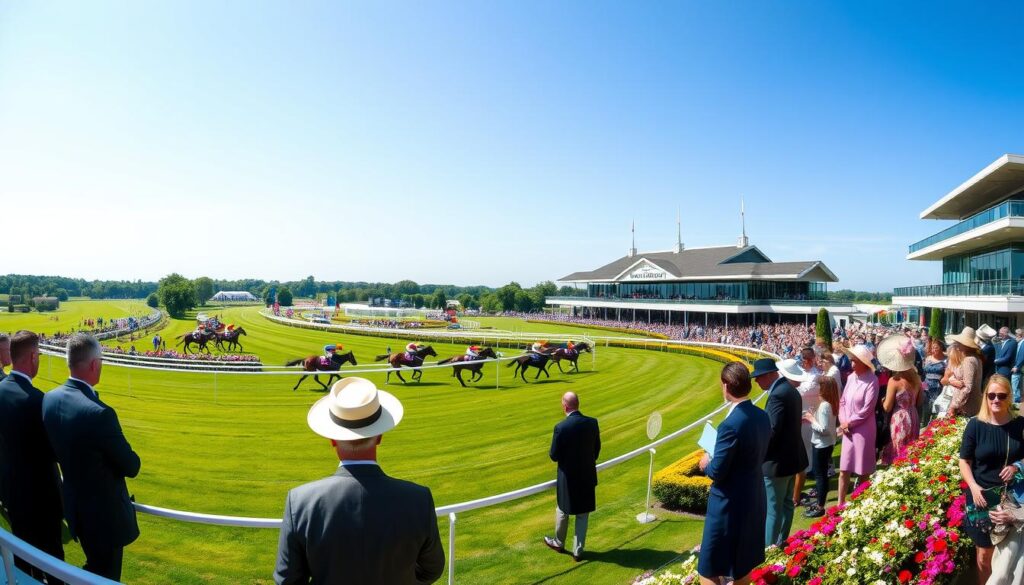
Ascot’s layout and local conditions shape how markets form and shift on race day. The triangular design spans a circumference of 2022m with a home straight near 300m and a steep incline. That topography makes staying events a real test and tends to favor horses with proven stamina and a strong late kick.
Course profile and race type implications
The three-turn track includes a sweeping curve from 1600m down to 1000m, which alters positioning and draw impact. Short sprints often reward sharp speed and inside position, while middle distances demand a balance of pace and stamina. In staying contests, the Ascot track characteristics push markets toward reliable stayers since they finish strongly up the incline.
Key Ascot meetings and how markets respond
Perth’s Summer Racing Carnival brings concentrated attention and deeper liquidity. Feature races such as the Winterbottom Stakes, Railway Stakes and Kingston Town Classic move ante-post markets and compress prices as public money piles in. Big meetings create heavier trading volumes and more volatile in-play activity, which can widen opportunities for line shopping and late-value plays on Kingston Town Classic odds.
Historical and local factors bettors should note
Racing at Ascot dates back to 1852 and local patterns weigh on market sentiment. Perth Racing form, trainer trends and even the Northerly statue’s legacy shape how punters view contenders. Wind off the Swan River can favor front-runners on certain days, while track condition reports and weather updates often trigger quick price moves. Expert previews from outlets like Betfair Hub influence public wagers and editorial coverage supports ante-post interest.
Understanding Ascot course bias alongside the Ascot racecourse profile and the Ascot track characteristics helps bettors read price shifts. Watching how Ascot key meetings concentrate bets gives context for why favorites shorten and outsiders lengthen as race day nears.
Practical betting strategies using Ascot odds
Smart punting at Ascot starts with a clear plan. Use market signals and race context to shape stakes. Keep records of wins and losses so the best Ascot betting strategies emerge from data, not guesswork.
Value hunting and line shopping
Look for overlays by comparing prices across major firms such as Bet365, William Hill and Betfair Exchange. When early prices match your model, lock them in; that is a major part of value hunting Ascot. Compare exchange ladders to see matched volume and market conviction before committing.
Managing stakes around promotions and free bet offers
Promotions like bet £10 get £30 or token bets can lift ROI if used wisely. Read terms: qualifying odds, stake-not-returned rules, expiry and excluded markets. Practice managing free bets by targeting markets where the free-token impact remains meaningful and avoiding offers blocked on exchanges.
Bet types to consider at Ascot
Each-way plays suit big fields and staying contests on Ascot’s testing tracks. Accumulators and Bet Builders can add value when legs correlate, but verify minimum leg and boosted-odds conditions. Use exchange trading for in-running scalps on short straights, laying then backing to lock small profits.
| Scenario | Recommended approach | Key risk controls |
|---|---|---|
| Early market matches your model | Take early price on a value selection; line shop across bookmakers | Limit stake size; record entry odds |
| Using welcome offer tokens | Use on markets allowed by T&Cs where stake-not-returned still yields upside | Check min odds, expiry and maximum payout |
| Large field, staying race | Consider each-way and small multiples to exploit place depth | Restrict stakes; favor proven stables and trainers |
| In-running moves on short straight | Scalp via exchange lay-to-back or back-to-lay trades | Use tight stop-loss and pre-set exit rules |
| Boosted accumulators or builders | Use when leg correlations increase expected value | Verify bonus rules and min-leg odds; size stakes conservatively |
Where to find trustworthy Ascot odds, tips and market data
For reliable Ascot odds and market data, start with major bookmakers’ early price pages and the exchanges. Betfair offers live price discovery and deep liquidity, while operator hubs such as Betfair Hub Ascot and 888Sport Ascot publish race previews and context that help explain shifts in pricing. Use these sources to compare early prices, ante-post lines and final markets before staking.
Racecourse and race-day information is equally important. Perth Racing posts official declarations, fixture lists and track notes that affect form and conditions. Monitor late withdrawals, jockey and trainer confirmations, and on-course steward reports to catch market-moving news that may not appear immediately on price boards.
When using bookmakers, verify promotional terms closely. Check minimum odds, qualifying deposits, payment-method exclusions and expiry details. Many promotions target UK/ROI customers, so U.S. bettors must confirm operator availability and state legality. Use a short checklist: market terms, payment eligibility, free-bet expiry and how stakes are treated.
Finally, practice responsible wagering. Rely on reputable feeds for Ascot tips and Ascot market data, cross-check lines across Betfair Hub Ascot and major operators like 888Sport Ascot, and set deposit and stake limits. Track weather and track reports on race day, and only place bets with licensed, verified platforms that operate in your jurisdiction.