
This guide delivers concise betting tips for Ascot today, focused on practical Ascot tips and timely Ascot selections for upcoming meetings. Ascot Racecourse sits on the Swan River outskirts of Perth and is run by Perth Racing, the body that manages both Ascot and Belmont Park.
Racing at Ascot dates back to 1852, and the venue now anchors the Perth Summer Racing Carnival with headline events such as the Winterbottom Stakes, Railway Stakes and Kingston Town Classic. Those seeking Ascot racing tips should note the track hosts the major Group 1 and Group 2 contests that shape market movers and form lines.
The aim of this short primer is to combine course profile, form analysis, and race-day tactics so you can identify Ascot best bets with confidence. Use the selections here alongside your own research to improve staking and timing decisions across Ascot cards.
Track and Course Profile for Ascot Racecourse

The Ascot course profile shapes race tactics from the jump. The triangular metropolitan design forces runners through three clear turns and a long sweeping curve between the 1600m and 1000m marks. That Ascot layout rewards horses that can hold position through bends and carry momentum into the straight.
The short Ascot home straight measures about 300 meters. Sprint contests demand early speed and good gate work because there is little time to overhaul rivals. Middle-distance races still hinge on positioning, as the climb in the straight punishes horses that lack stamina.
The incline in the final 300 meters creates a genuine stamina test. Horses that stay on well through the rise perform best in 1600m-plus events. Trainers preparing stayers target balance and finishing power to handle the course rise and the specific Ascot distance characteristics.
Wind patterns off the Swan River can change race flow and create a bias. A strong river breeze often helps leaders sustain a long run, while a cross-wind can favor those racing wide. Race-day rail settings, such as an eight-meter out position for a full circuit, can shift the favored racing lines and alter the effective straight length.
Typical Ascot track conditions vary across the calendar. Summer carnivals usually produce Good turf and firm underfoot surfaces in warm weather. Winter cards can bring softer going, affecting which types of horses have the edge. Awareness of Ascot track conditions is essential when assessing form and selecting bets.
Distance-specific demands are distinct. The 1200m sprints favor speed and a clear path into the Ascot home straight. Races from 1600m and up require balance through the turns and the ability to handle the final climb. Understanding Ascot distance characteristics helps identify likely front-runners and late closers under varying track conditions.
Course layout and distance characteristics
The triangular shape and sweeping turns influence lane choice and run patterns. Short straights reduce recovery time after bends. That makes early position vital at most distances.
Impact of the home straight and incline on stamina and sprint races
The steep rise inside the final 300 meters separates true stayers from opportunists. Sprinters need early speed to avoid being passed on the climb, while middle-distance horses must time their finishes to cope with the incline.
Typical track conditions and seasonal factors
Summer meets often see firmer turf and quicker times. Winter cards bring softer ground and different leaders. Rail placements and river winds combine with seasonal weather to make each card unique for handicappers.
betting tips for ascot today
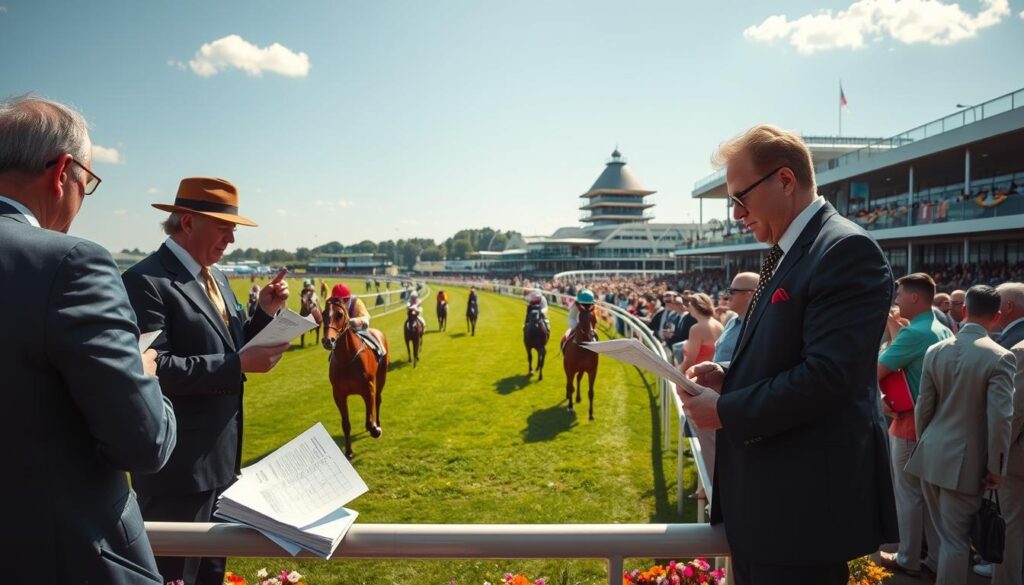
Use the course profile, recent form and trainer-jockey combos to shape your day. Start by scanning the card for front-runners and closers. That approach helps refine betting tips for Ascot today and points you toward likely race patterns.
Top selections for key races
Quayclean Handicap (1400m): Awesome Boy, trained by Bruce Kay from barrier two, has two second-place finishes to his name and looks set to lead. This makes him high on Ascot top selections for a controlled speed map.
Bisley Workwear Handicap (1800m): Magna’s Choice showed it suits 1800m last start. Expect clear running and note the quoted price near $6 as a sensible win play among Ascot top selections.
Winterbottom Stakes (1200m, Group 1): Overpass, handled by Bjorn Baker and ridden by Josh Parr, is the projected leader aiming for a three-peat. Jokers Grin, trained by Bernie Miller with Patrick Carbery up, brings strong late pace and appears as the main danger. Benedetta from Ciaron Maher carries import form that merits respect on big-race notes.
Each-way and value alternatives
For place-backed strategies, look for horses with consistent placings or upward form trends. Fast Harry has multiple straight wins and acts as a genuine each-place threat if race shape allows.
Summer’s Legacy won at course and distance recently and suits each-way claims when a top jockey keeps the line. The Crimson Pirate records frequent seconds; a weight drop plus extra trip could convert those into a win, making him a solid Ascot value bets candidate.
Use Ascot each-way tips to spot runners that trade at fair odds for the places. Seek expanded place terms on bigger fields to boost each-way returns.
Market moves and when to back or hedge
Watch opening and late-market shifts. Jockey changes and barrier swaps often trigger noticeable Ascot market moves. Overpass shortened as early support for the Winterbottom, while Jokers Grin firmed when Patrick Carbery was confirmed to ride.
Back proven front-runners early when the rails are out and wind favors leaders. If a favorite shortens dramatically before jump, consider hedging with a lay or partial cash-out to protect profit.
Use odds drift to find value. When market confidence grows for one runner, cut stake size on that runner and redeploy units to other Ascot value bets. For each-way plays, increase stake only when bookmakers offer wider place terms or when the runner shows clear course-and-distance form.
Form analysis and handicapping approach for Ascot meetings
Start with a clear process when doing Ascot form analysis. Focus on recent runs at similar distances and course-and-distance form. Check weight carried, barrier draw and first-up or second-up status. These elements define how a horse will handle Ascot’s short straight and testing turns.
Key form indicators to prioritize
Course-and-distance form is critical at Ascot. Horses that have placed over the same trip often handle the final bend and finish strongly.
Compare recent finishing positions and note any class jumps. A horse dropping from Group company into a handicap can offer value if past high-class form is evident.
Watch weight changes closely. A light weight or claiming allowance can transform a runner’s prospects on Ascot’s undulating surface.
Trainer and jockey trends
Track Ascot trainer trends to spot patterns. Western Australia-based stables understand local pacing and rail usage better than many interstate raids.
Note eastern trainers who travel with targeted sprint squads, such as Ciaron Maher. Their horses often perform well after careful planning and acclimatization.
Jockey bookings matter. Riders like William Pike influence market confidence and can tilt handicapping decisions when paired with in-form trainers.
Pace maps and how wind/rail affects running styles
Build Ascot pace maps to predict how races will unfold. Identify likely leaders and those that will settle off the pace.
Ascot wind bias from the Swan River can change outcomes. A strong headwind on the straight helps front-runners hold position, while a tailwind benefits closers.
Check official rail placements before finalizing selections. A rail out can favor wider runs or true-running lines, changing which horses have the tactical edge.
Use pace maps with wind and rail info to spot races that suit on-speed types versus those likely to reward a late burst. Combine this with trainer form and barrier speed for a rounded handicapping Ascot approach.
Race-day betting strategies and bankroll management for Ascot cards
Race day at Ascot rewards a calm, measured plan. Start with a clear Ascot bankroll management rule: set a total bankroll for the meeting and divide it into units. A defined Ascot staking plan keeps emotions in check and prevents chasing losses after a fast-paced card.
Staking plans and unit sizing
Choose a unit size as a percentage of your bankroll. Typical guidance is 1%–3% per standard win bet. Use graded stakes: 1 unit for standard selections, 2 units for strong confidence picks, 0.5 unit for speculative each-way or value bets.
Example allocations make the plan tangible. Overpass WIN $2.50 at 2 units shows a confident play. Magna’s Choice WIN $6.00 at 1 unit is a standard selection. Track cumulative exposure so you do not overcommit to several favorites on the same card.
Best bet types for Ascot meetings
Win and each-way bets suit Ascot’s short straights and pace quirks. Each-way wagers can capture value on proven place horses and those with course form. Use Quinella/Exacta and Forecast bets when pace maps predict likely front-runner versus closer matchups.
Small multis and doubles on confirmed selections control variance. Avoid long multi-leg accumulators that hinge on multiple long shots. Knowing the best bet types Ascot offers helps align stake size with probability.
Using promos and offers responsibly
Betting promos responsibly means reading terms before spending. Many offers carry minimum stake, odds limits, or new-customer restrictions. Typical promotions include free bet credits, bet-and-get deals, matched free bets, and refund-as-free-bet options.
Convert promotions into strategic plays. Use free-bet tokens on longer-odds each-way value. Use refunds-as-free-bets to trial a favorite with lower downside. Keep bonus balances separate from your main bankroll and do not increase stakes purely because of a bonus.
Practical discipline ties these elements together. A reliable Ascot betting strategy blends unit sizing, selective bet types, and cautious use of promotions to stay competitive across the card while safeguarding funds.
Key Ascot events and seasonal previews to watch
The Perth Summer Racing Carnival is the headline stretch on the calendar, running eight weeks from mid-October through New Year’s Day. The carnival showcases three Group 1s — the Winterbottom Stakes, Railway Stakes and Kingston Town Classic — plus support races like the Group 3 Northerly Stakes opener and the closing Group 2 Perth Cup. For an informed Ascot seasonal preview, follow the race calendar and note which events suit sprinters versus stayers.
The Winterbottom Stakes preview should focus on speed and sharp form over 1200m, with local sprinters often dominating but eastern imports arriving for big prize money. The Kingston Town Classic rewards stamina and the ability to climb Ascot’s home straight incline; it is named after the champion Kingston Town and remains a key test for stayers. The Railway Stakes and other Group 1 sprints draw horses that raced in The Everest or Doomben 10,000, so track recent interstate performances.
Summer conditions in Perth favor speed, yet Ascot’s triangular layout and steep incline can flip form late. Monitor rail settings, wind off the Swan River and trainers’ targeting patterns; eastern trainers travel specific types for the Perth Summer Racing Carnival and acclimatization matters. For race-day tips and seasonal previews, see the Betfair Hub preview for Ascot events and race guides at Betfair Hub Ascot tips.