
Nottingham Forest Eye a vital step in their Premier League survival push as the Forest vs Wolves fixture draws near. The Wolves clash arrives with tense margins and a tight table, where a single point can tilt the relegation battle. This is a test of focus, energy, and game management.
The mood around the league is intense. Manchester City’s chaotic wins—like 5-4 at Fulham after leading 5-1 and a late strike from Phil Foden to edge Leeds United—underscore how momentum swings define this season. Brad Friedel told talkSPORT he expects City to catch Arsenal, raising the temperature at the top and adding urgency throughout the table. That pressure trickles down to clubs fighting for a valuable result in their own survival race.
Premier League news cycles move fast and cut deep. Gary Neville’s Sky Sports critique of Luke Shaw and the counter from Denis Irwin, followed by Ruben Amorim calling Shaw world-class, show how scrutiny never lets up. For Forest vs Wolves, the message is clear: keep noise out, win key duels, and turn the Wolves clash into points that matter in the relegation battle.
Match context: Premier League survival stakes and form guide ahead of Wolves
The Wolves match context sharpens focus on points that carry weight beyond one weekend. The Premier League survival stakes are real, and the form guide Forest must heed points to tight margins, set-piece value, and calm play under pressure at the top and bottom alike.

Why this fixture matters: critical points in the relegation battle
This is a live test in the relegation battle, where a single win swings mood and table shape. Forest need clean phases in midfield and quick counters to tilt expected goals in their favor. With volatile scorelines across the league, a steady first half and sharper late-game changes may decide it.
The form guide Forest will study favors compact spacing and fast restarts after turnovers. A draw keeps momentum, but a narrow win changes the math when rivals stumble. Small details—press triggers, second balls, and rest defense—carry outsized value.
Recent league narratives: pressure from top sides and volatile results
Relentless pressure at the top squeezes the rest of the table. When Manchester City chase Arsenal, intensity rises for everyone, and that often breeds volatile scorelines. Teams ride waves; the key is to survive dips and strike when the pace cools.
For Forest, that means bracing for swings and trusting structure. The Wolves match context suggests careful risk early, then measured aggression. Momentum can flip in minutes; resilience and game-state management keep the door open.
Injury, suspension, and squad management watch
Availability shapes plans as much as tactics. Across the league, clubs juggle knocks and minutes, a reminder that squad management is part strategy, part triage. Careful rotation, even for one position, can protect a result.
The form guide Forest track will weigh late-week fitness checks and bench roles. A ready fullback, a fresher runner in midfield, or a target sub for set pieces could swing a tight contest. In a season defined by fine margins, durability and clarity in roles matter most.
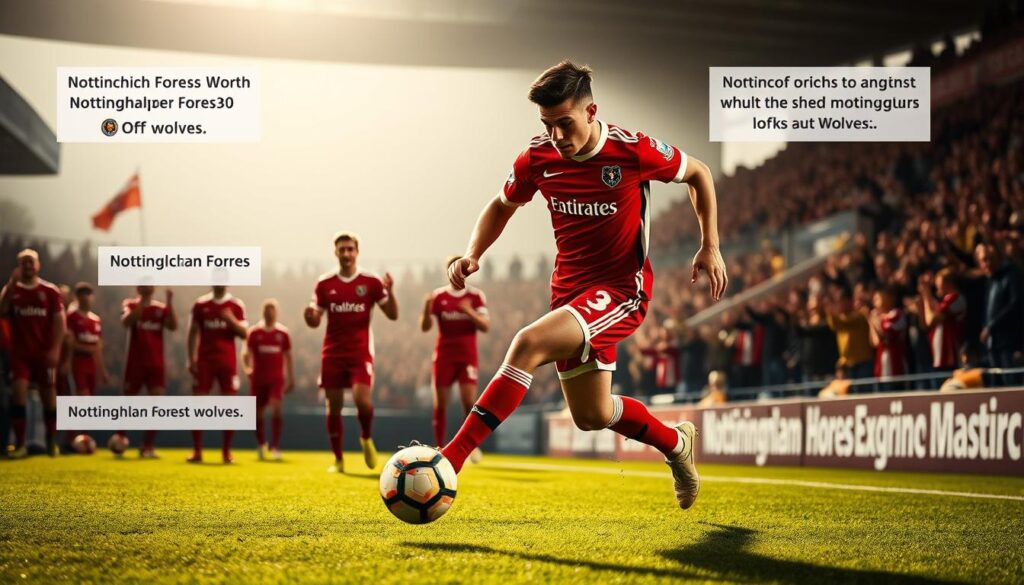
Nottingham Forest Eye momentum against Wolves with off-pitch headlines in the background
Forest step into this week aiming to keep the noise at arm’s length and push for a steady run of form against Wolves. The squad leans on a clear performance focus, knowing small gains can secure a valuable result under pressure.
Ownership and governance backdrop: investor claims involving Evangelos Marinakis
The match arrives amid a governance backdrop Forest cannot ignore. Reports surrounding Evangelos Marinakis claims and John Textor allegations have drawn fresh attention to how clubs operate, stirring questions beyond the touchline.
Players and staff acknowledge the story but keep routines tight. The aim is to ensure headlines stay outside the locker room while internal standards set the tone on and off the pitch.
Focus on performance: blocking distractions to secure a valuable result
Training ground detail becomes the anchor. Coaches stress compact spacing, clear triggers, and swift resets after turnovers. That discipline reinforces the team’s performance focus when late-game chaos threatens to spill over.
Forest lean on leaders to steady tempo and manage moments. Simple choices—clean first touches, early passes, and brave pressing lines—turn pressure into progress.
Key battles vs. Wolves: transitions, set pieces, and defensive concentration
The Wolves key battles revolve around field position and timing. Forest must control transitions and set pieces, with fullbacks protected and midfield cover ready to halt counters before they build.
On dead balls, first-contact wins and second-ball reactions are vital. Delivery must be sharp, while defensive concentration through stoppage time guards against late swings that undo hard work.
Execute these moments, and Forest can translate a turbulent week into momentum—quieting the governance backdrop Forest discussion and letting the football speak.
What broader Premier League trends mean for Forest’s approach vs. Wolves
Across the league, momentum swings shape outcomes week to week. Recent thrillers, like Manchester City’s 5-4 over Fulham and a late win against Leeds, underline how fast a match can flip. That reality should guide game management Forest, with clear plans for when the team is leading, level, or chasing. Pre-set shape tweaks, quick communication from the bench, and decisive subs can steady the side or spark a push without losing tactical discipline.
A strong survival approach leans on resilience and detail. Pep Guardiola’s framing of survival after wild scorelines mirrors the grind near the bottom: value clean sequences, avoid cascade errors after a setback, and stick to late-game management principles in added time. The group should treat stoppages, restarts, and throw-ins as chances to control the clock and the ball. Small wins—first contacts at set pieces, compact lines in transition—build pressure without risk.
The scrutiny cycle is constant. Gary Neville’s on-air critique of Luke Shaw, Denis Irwin’s backing, and Ruben Amorim calling Shaw world-class show how loud the narrative can get. Forest must keep messages tight, protect roles, and filter noise so players focus on execution. Governance noise around John Textor and Evangelos Marinakis only raises the volume; the edge comes from defensive structure, transition defense, and set-piece efficiency rather than the off-field swirl.
Squad availability is a league-wide puzzle. Cases like Ollie Watkins managing knee pain and Dario Essugo’s setback highlight the need for smart loads and late checks. For Wolves, that means preserving key profiles while holding contingency plans for fitness swings. Given tight margins, a draw can be valuable if the game state demands control, but the door should stay open to press for three points in controlled phases—especially through rehearsed corners and structured counters—balancing momentum swings with tactical discipline and late-game management to advance the survival approach.

