
Nearly 62% of Friday cards this year showed elevated wagering on method-of-victory markets, as bettors chase higher returns on specific outcomes rather than straight winners. That surge is reshaping how sportsbooks set fight night betting odds and how sharp bettors size their stakes on Friday fight night cards.
Petr Yan’s unanimous decision win over Merab Dvalishvili at UFC 323 — scores 49-46, 48-47, 49-46 — provides a clear example of how a high-profile judges’ decision ripples through UFC betting lines. Yan’s mix of body kicks, strikes and wrestling that controlled rounds has bettors and oddsmakers re-evaluating rematch pricing and decision-leaning props.
Questions from Dvalishvili’s camp, including coach John Wood and teammate Aljamain Sterling, about round scoring and corner adjustments add narrative weight that often inflates or depresses method-of-victory markets when similar matchups reappear. Those storylines, combined with finish-heavy nights featuring highlight KOs and stoppages, push many U.S. bettors toward finish and decision markets on betting markets Friday.
Key Takeaways
- Friday fight night cards attract more prop action, especially on method-of-victory markets.
- High-profile decisions like Yan vs. Dvalishvili change market sentiment and future odds.
- Visible stoppages and highlight KOs across combat sports increase appetite for finish bets.
- Public narratives and corner commentary can move markets before rematches are booked.
- U.S. bettors should read fight night betting odds with an eye on recent card trends and fighter styles.
- For market context and live lines, consult specialist trackers such as betwright’s MMA coverage.
Friday fight night betting odds: market movement and popular method-of-victory plays
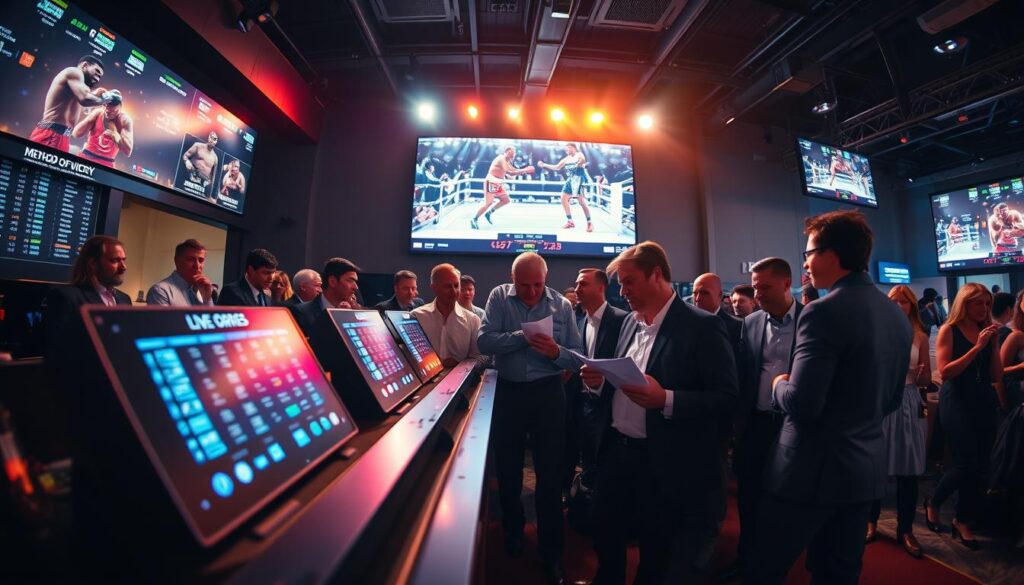
Friday cards often trigger fast shifts in pricing as news breaks and bettors swarm prop markets. Offshore and domestic books open method-of-victory plays soon after bouts are announced. Lines then respond to public money, sharp wagers, and last-minute camp updates.
Early market signals matter because they show where sharp action lands. A burst of bets on a stoppage tells traders to shorten finish lines. That pattern is common on Friday nights when betting volume trends concentrate around a few headline fights.
Early market signals and volume trends
Bettors watch indicators such as early liquidity and how oddsmakers adjust opening numbers. Sudden drops in decision odds can reveal heavy action against a perceived grinder. Books read these moves and hedge their books accordingly.
Friday cards see more prop interest than straight-winner bets. Method-of-victory plays offer clearer edges for sharp bettors who parse styles, recent form, and training reports. When volume spikes, books trim value on popular outcomes.
Impact of marquee results from recent cards on odds
High-profile outcomes reshape market expectations. A measured decision by a known finisher makes bettors rethink finish probabilities in future matchups. That reaction compresses finish markets for fighters with similar styles.
Upset stoppages or heavy KOs push sportsbooks to shorten odds on one-punch threats. Events with multiple highlight-reel finishes feed public appetite for stoppages. That sentiment shows up in betting volume trends across comparable divisions.
In-play and live-betting shifts tied to momentum
Live-betting shifts react to visible damage and momentum swings. Cuts, knockdowns, and swelling force quick price moves. On Friday nights, thinner liquidity on secondary markets can amplify these micro-movements.
Books hedge when liabilities cluster on a single method during a fight. Algorithmic traders and high-frequency bettors exploit those windows. The result is rapid live-betting shifts that favor bettors who read momentum and act fast.
Key fights and fighter profiles influencing method-of-victory markets
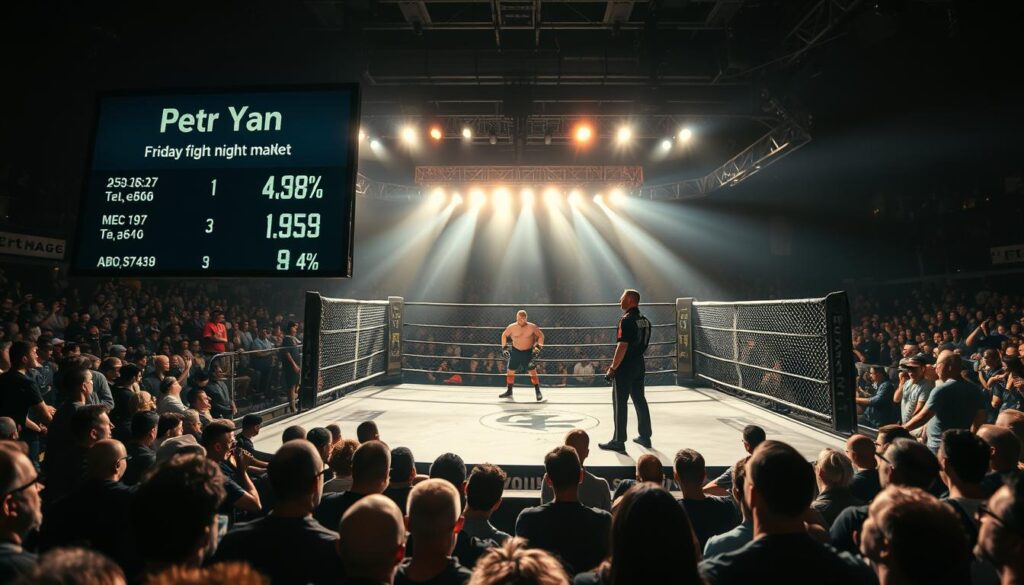
Market makers and bettors study individual matchups more than headlines. A fighter’s recent style, corner signals, and public camp notes shift pricing between stoppage odds and decision props. This section breaks down how specific fighters and archetypes reshape those lines.
Petr Yan and Merab Dvalishvili fallout shaping strategy
Petr Yan’s unanimous decision win at UFC 323 showed crisp striking, well-timed body kicks, and situational wrestling that produced clear moments on scorecards. Those visible rounds feed into how oddsmakers set Petr Yan betting odds for future fights, since a tactical win can push books toward decision markets.
Merab Dvalishvili’s team publicly questioned early scorecards after the bout, and corner urgency became a talking point. That sort of narrative creates Merab Dvalishvili market impact: bettors weight corner behavior and potential rematch talk when choosing between stoppage odds and decision lines.
Promoters and sportsbooks watch camp reports and Dana White’s matchmaking trends. Talk of a possible rematch in 2026 will keep these two under a magnifying glass. Books will adjust finish vs. decision pricing based on perceived cardio, game-plan changes, and any visible camp upgrades.
Favorites for finish-heavy outcomes: power punchers and stoppage artists
Finish-heavy fighters drive early momentum in KO and TKO markets. Heavy hitters with proven KO rates shorten stoppage odds fast. Bettors chase value on quick finishes when a prospect or veteran shows one-punch power or violent body-shot stopping ability.
International amateur and IBA event results reinforce that pattern. Multiple stoppages at those shows highlight how body shots and early-round violence make sportsbooks tilt lines toward finishes. That tilt affects Friday cards with limited public tape, where unknowns with high KO rates become market favorites.
Prominent prospects who carry a high finishing percentage often see their method lines lean to early-round KOs. Traders account for opponent durability and matchup styles when setting stoppage odds for these names.
Decision-leaning fighters: grinders, cardio, and ring generalship
Fighters who grind, control position, and pile up volume push markets toward decision props. Merab Dvalishvili exemplifies that archetype with relentless pressure and high activity that often favors judges’ scorecards. That style nudges bettors to prefer decision fighters in similar matchups.
Petr Yan’s tactical performance showed how an otherwise finish-capable fighter can still route action into decision markets when focus lands on control and pacing. Corner behavior and visible cardio levels also guide bettors toward decision lines.
Sportsbooks factor five-round pacing, takedown rates, and strike volume into their models. US bettors should weigh venue, judges’ tendencies, and fight optics. Those elements can push a market toward a decision even when a fight appears close early on.
Betting strategy, risk management, and sportsbook context for method-of-victory wagers
Approach betting strategy method-of-victory with a clear checklist: matchups, recent film, and corner comments. When tactical patterns replicate past cards — for example Petr Yan’s body-kick emphasis altering round scoring — prefer decision or late-round props where the style points that way. Value hunting matters after shock finishes; shops often overprice stoppage probability and that creates decision value when a fighter’s style projects a five-round pace.
Cross-sport signals and market nuance help refine reads. Stoppage trends in amateur boxing or regional MMA can drive public demand for prop bets UFC, but smart bettors separate hype from stylistic fit. Use resources like the Combat Press primer for advanced prop strategies to compare round distribution and finishing tendencies before staking larger units: advanced MMA prop betting strategies.
Risk management sportsbook practices are critical on Friday cards. Stagger stakes across pre-fight and live markets and cut exposure on low-liquidity secondary props. Apply a conservative live-betting strategy with small, targeted wagers when clear momentum signs appear — cuts, sustained damage, or visible fatigue — and avoid overcommitting to swings that often reverse.
Shop lines across multiple books and track liabilities: some sportsbooks tighten finish markets for KO-heavy names and lengthen decision markets for durable fighters like Merab Dvalishvili. For U.S. bettors, prioritize matchups with clear stylistic edges, use disciplined bankroll rules on Friday betting strategy, and blend pre-fight analytic edges with opportunistic live plays to maximize long-term edge.

