
Nearly every major alpine venue is busier: a packed winter sports calendar is reshaping travel, broadcast windows, and sponsorship strategies across Europe as the continent gears up for Milano Cortina and the run-up to Winter Olympics 2026.
FIS scheduling now funnels top athletes to consecutive events, creating a Europe-centered season that benefits Europe winter events and gives U.S. broadcasters clearer primetime slots. Upgrades tied to Milano Cortina’s legacy work and refreshed infrastructure at historic resorts are improving spectator comfort and transport links.
China’s Chongli demonstrated how event-driven planning drives attendance spikes and leisure bookings; European organizers are studying that model to boost resort stays and themed programming across the European winter sports schedule.
Manufacturers such as K2, Salomon, Rossignol, and Fischer are aligning product launches and sustainable production timelines with the denser calendar. That coordination is already influencing retail demand and marketing windows in the U.S. market.
For American audiences, the evolving Europe winter events list promises more consistent viewing opportunities and clearer travel packages tied to major competitions. As the Winter Olympics 2026 nears, the calendar’s momentum will define athlete preparation, fan travel, and sponsor activation plans.
More on Austria’s role in Europe’s winter rebound can be found in this industry summary: Austria remains Europe’s top winter sports.
Key Takeaways
- The Europe winter sports calendar is denser, centering events ahead of Winter Olympics 2026 and Milano Cortina legacy activities.
- Upgraded venues and transport links are improving the spectator experience and boosting resort occupancy potential.
- Event timing creates advantageous broadcast windows for U.S. audiences and clearer sponsorship opportunities.
- Manufacturers are syncing product cycles with the European winter sports schedule to meet rising demand.
- Successful models from Chongli highlight how scheduling and themed programming can drive attendance spikes.
winter sports calendar: key events and scheduling trends across Europe
Europe’s winter sports calendar is filling fast with events that shape athlete plans, fan travel, and media windows. A mix of World Cups, continental championships, and FIS events Europe entries creates a rhythm that organizers use to boost attendance and sponsorship value.
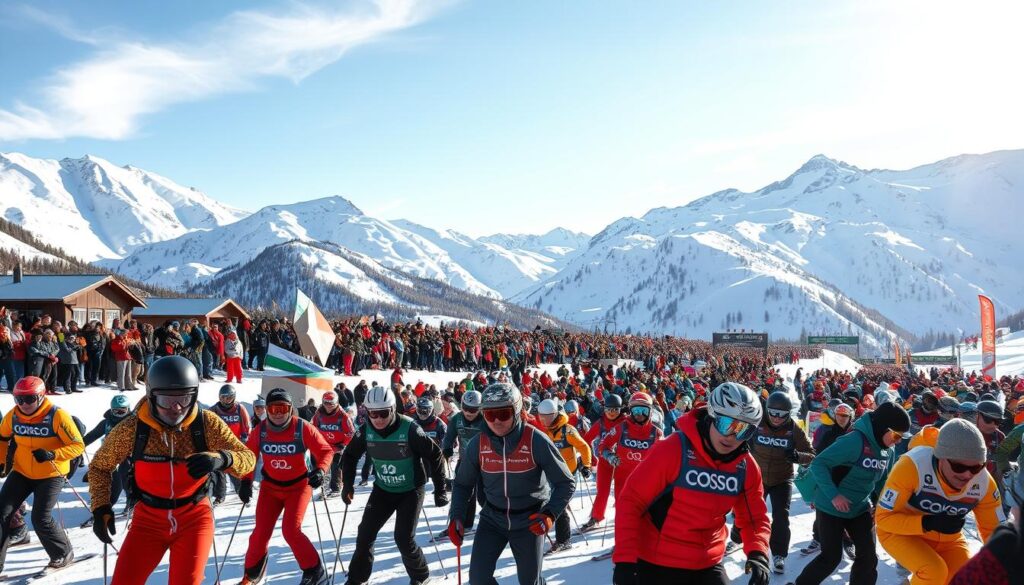
Top-tier meets from the FIS-certified calendar, World Championships, and the Milano Cortina schedule act as anchors. These marquee dates set athlete preparation cycles and draw broadcasters. NHL Olympic participation raises the profile of Olympic ice hockey. That makes rosters deeper and increases international interest.
Regional event clusters and timing that boost attendance
Organizers place back-to-back FIS events and World Cup rounds near transport hubs to encourage weekend travel. Successful models use direct shuttles and themed village programming to extend stays. Staggered openings across the Alps, Scandinavia, and Eastern Europe create local peaks. Hotels and resorts see higher occupancy when events cluster by geography and date.
Broadcast and viewership considerations for U.S. audiences
- European time zones give U.S. networks more favorable live windows than East Asia. That improves sponsor exposure during prime viewing times.
- Event scheduling on weekends drives higher domestic ratings for European winter competitions. Weekend slots simplify promotion for NBC and streaming partners.
- Clear placement in the FIS-certified calendar helps rights holders plan promos. Predictable timing boosts ad sales and audience retention.
Planners, sponsors, and media partners use these patterns to align logistics, athlete availability, and marketing. The Milano Cortina schedule and a packed FIS events Europe list guide expectations for travel demand and broadcast planning.
Economic ripple effects: tourism, manufacturing, and market growth
Event calendars reshape local economies. Major competitions lift winter sports tourism by filling hotels, lengthening stays, and boosting spending on lessons, rentals, dining, and transport. Resorts that link airports and rail hubs see clearer gains in resort occupancy and return visits.
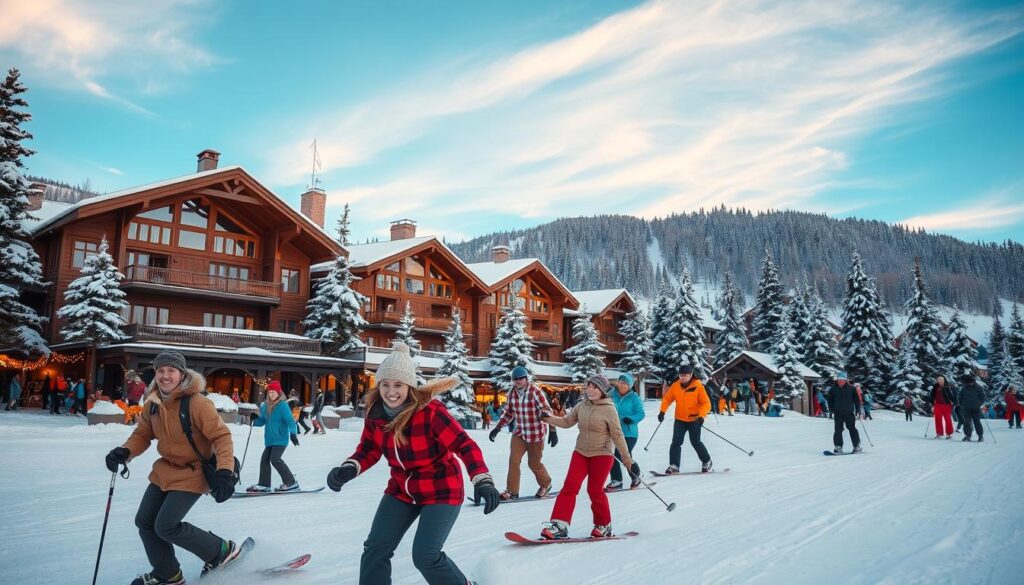
Tourism and resort occupancy trends driven by events
Competition weekends often push daily visitor counts to multiples of normal levels. In some mountain destinations, themed events and direct shuttles produce steady weekend demand and near-full hotel bookings. That pattern raises average room rates and increases local spending on ancillary services.
Fans frequently add ski lessons and on-site activities while attending events. Those choices lengthen stays and lift revenue for instructors, rental shops, and restaurants. Operators that craft festival-style programming see stronger resort occupancy during shoulder dates.
Equipment demand and manufacturing capacity
Wholesale hubs report surging orders for core products. Demand for ski goggles, ice skates, and boards has led manufacturers to expand lines and schedule production months in advance. Some factories reported multi-month backlogs and higher capacity utilization.
Suppliers are scaling automation and investing in resilient supply chains to keep up with rising ski equipment orders. Brands such as Salomon, Rossignol, and Fischer are shifting production strategies to balance volume with quality and to support manufacturing for winter sports across regions.
Market outlook and industry strategies
Analysts place the ice and snow sports market size in the billions, with forecasts suggesting steady expansion through the decade at roughly market CAGR 5.2%. Growth stems from higher consumer participation, smarter materials, and wider geographic reach.
Leading companies pursue sustainability, digital channels, and joint ventures to capture new buyers. Strategies include faster R&D cycles, e-commerce investment, and partnerships with regional distributors to tap emerging demand while protecting production lines for ski goggle production and other high-volume items.
Fan experience, participation trends, and opportunities for sponsors
Live events are reshaping how fans interact with winter sport venues. Fan engagement winter sports now often blends in-person attendance with digital activations, which lengthens stays and boosts spending on lessons, rentals, and F&B. Amateur participation rises around competitions as visitors combine training and spectating; resorts that copy Chongli-style shuttles and themed evenings can extend weekend occupancy and lift per-visitor revenue.
Fan engagement and amateur participation trends
Younger audiences and a growing female base are central to future growth. Milano Cortina’s near parity in athlete representation and the push toward a gender balanced Olympics are attracting more women and Gen Z to both watch and take part. That surge translates into higher demand for short-term rentals, beginner lessons, and social content that converts interest into purchases of smart ski gear and accessories.
Sponsorship narratives and gender-balance opportunities
Sponsors now find clearer, sport-led storytelling across Europe, with better U.S. viewing windows and weekend-centric programming that amplifies activations. Brands can align with gender-equity messages around the Milano Cortina sponsors ecosystem and use high-profile events to showcase CSR commitments. NHL player participation and stronger competitions also make ice-hockey and other winter-sport sponsorships more valuable through improved engagement and monetizable impressions.
Product innovation and sustainability at resorts and events
Manufacturers are moving toward IoT-enabled equipment and sustainable materials to meet regulation and consumer demand. Resorts emphasize sustainable operations and co-branded initiatives to appeal to eco-minded visitors and to create long-term partnerships. Sponsors and organizers can link on-site upgrades—rental tech, demo zones, loyalty offers—with digital campaigns and targeted journeys to turn event interest into durable sales of smart ski gear and bookings at sustainable ski resorts.
For operators seeking practical tools to map behaviors to revenue, platforms that gamify social actions and reward loyalty offer measurable uplift; see this approach in practice at engagement platform case studies. Integrating these tactics helps convert attendance into sponsorship inventory, retail sales, and recurring fan relationships.

