
With a 98.5% win probability erased in the final quarter, the Los Angeles Rams surrendered a 30-14 lead and lost 38-37 to the Seattle Seahawks on Thursday night — a dramatic nfl prime time collapse that adds to an alarming pattern for the franchise.
The Rams collapse follows earlier blown advantages this season: a Week 3 reversal against the Philadelphia Eagles after a 26-7 edge, a goal-line defeat to the San Francisco 49ers and an upset loss to the Carolina Panthers. Taken together, those results look less like isolated errors and more like a systemic prime-time NFL loss problem that threatens playoff hopes.
Thursday’s prime-time game featured a third two-point conversion attempt by Sam Darnold that sealed the upset, leaving fans and analysts alike pointing to repeated late-game failures. This playoff contender meltdown now places Sean McVay collapse narratives back in the headlines and makes Los Angeles’ path to a top seed contingent on rival losses and internal fixes.
Key Takeaways
- The Rams blew a 16-point fourth-quarter lead and lost 38-37 in prime time.
- Multiple late-game collapses this season suggest a pattern, not chance.
- Sam Darnold’s game-winning sequence capped an unforgettable comeback for Seattle.
- Losses like this undermine Los Angeles’ control of playoff seeding.
- The team must address execution, depth and situational strategy to recover.
Game timeline and turning points that defined the nfl prime time collapse
The closing stretch rewrote the narrative of a game that felt settled. A clear game timeline shows how a 30-14 lead with under 8:30 remaining flipped into a dramatic finish. Special teams miscues and conservative red-zone choices set the stage for a late surge that tightened the margin and shifted urgency for both clubs.
Fourth-quarter unraveling and sequence of key plays
Momentum pivoted quickly after a short punt. Rashid Shaheed punt return for a touchdown cut the deficit and energized the comeback attempt. That score followed a turnover and exposed coverage gaps that had gone unnoticed earlier in the contest.
The Rams then suffered three straight late-game three-and-outs. Those stalled drives wasted clock control and left the defense on the field to face a surging opponent. A missed kickoff by Harrison Mevis and additional punt issues compounded field-position problems and fed the comeback.
Seattle’s decisive answer came with a daring final sequence. Sam Darnold two-point conversion attempts framed the finish. The Seahawks tied and then re-took the lead with a successful third attempt that produced the game-winning margin in a 38-37 result.
Statistical snapshot that illustrates the collapse
- Rams totaled 581 yards but failed to convert key red-zone chances, finishing below 50% on trips inside the 20.
- Special teams and penalties skewed field position; eight penalties and multiple short punts changed expected starting spots.
- Early play-calling showed dominance with a strong 13-personnel success rate and heavy rushing work, yet the final minutes saw a reversal in possession efficiency.
Viewed together, the timeline highlights how isolated breakdowns can compound. The fourth-quarter collapse did not begin in the final two minutes. It began with coverage lapses, short punts and red-zone settling, then reached its peak in a burst of late-game three-and-outs and decisive special-teams plays.
Personnel, matchups and roster weaknesses exposed under prime-time pressure
The game peeled back layers of roster construction and matchup planning. Early success in 13-personnel and the rushing attack masked issues that opponents punished as the night wore on. Coaching choices and on-field execution combined to expose weaknesses across units.
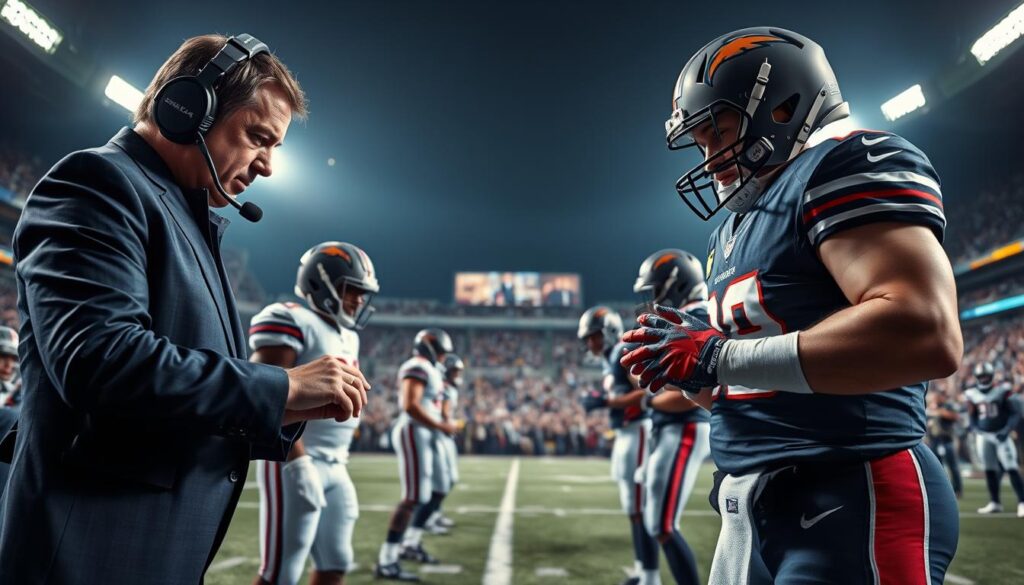
Offensive strengths and missing pieces
Puka Nacua breakout shifted defensive focus all night. His 12 catches for 225 yards and two touchdowns forced opponents to game-plan specifically for him. That spotlight left room for rushing gains; Kyren Williams and Blake Corum combined for 37 carries and 118 yards while 13-personnel success in the first half controlled tempo.
Davante Adams’ absence became obvious late. No other receiver had more than three catches and only Xavier Smith topped 50 receiving yards. Targets to Konata Mumpfield—eight targets, three catches—show his upside yet underline ball-skill development needs. Red-zone drops by Davis Allen and Colby Parkinson turned scoring chances into field goals inside the five, a sequence that ties personnel choices to execution.
Defensive vulnerabilities that opponents exploited
Cornerback depth created matchup problems. Intended additions were unavailable or ineffective, which led to explosive plays over the top. That weakness helped turn a strong interior pass-rush into an incomplete defensive performance because the secondary could not hold up on key throws and deep routes.
Emmanuel Forbes’ handsy coverage and the absence of Ahkello Witherspoon at full strength invited penalties and mismatches. Opponents capitalized with chunk plays, including a 55-yard touchdown by Kenneth Walker, a play that flipped momentum and highlighted Rams secondary issues in late-game situations.
Inside pressure offered bright spots. Defensive tackle Turner produced pressure and an interception that nearly sealed the game. Those plays showed the unit’s potential, yet individual successes could not erase coverage breakdowns or prevent late collapses.
Special teams and coaching decisions under scrutiny
Special teams failures swung field position and scoring. A short punt returned for a touchdown by Rashid Shaheed and missed field goals, including a missed 48-yarder by Harrison Mevis, directly affected the scoreboard. Punt coverage miscues and kickoff placement problems gave opponents extra opportunities and momentum.
Coaching decisions drew questions about risk management. Choices on when to go for two, fourth-quarter play-calling that produced consecutive three-and-outs, and clock management placed added pressure on each unit. Sean McVay’s call for clarity on review processes underscored how officiating and situational judgment can compound roster weaknesses.
- Personnel matchups tilted toward the opponent when depth players faced elite receivers.
- Puka Nacua breakout forced defensive shifts that exposed secondary gaps.
- Red-zone drops and missed finishes meant settled points instead of touchdowns.
- Special teams failures provided opponents with sudden-scoring swings and better field position.
Comparative context: how this collapse mirrors other midseason meltdowns and team spirals
The Rams’ late-game fade fits a pattern seen around the league. A string of losses that follow promising starts creates questions about roster depth and situational coaching. Patterns like these move beyond a single bad night to suggest broader issues that teams must address quickly.

Look at Tampa Bay under Todd Bowles and Philadelphia’s recent slumps. Each club suffered through a midseason swoon driven by injuries, lapses in execution, or breakdowns in coverage. Those examples show how small flaws can expand into full team spirals when not corrected.
Impact on playoff positioning and playoff-readiness questions
Close losses reshape standing math and playoff positioning. The Rams sit 4-4 in one-score games this year, a split that undercuts confidence in late-game execution. A single loss can drop a team from a division lead into a chase, forcing reliance on other results to reclaim seedings.
Leadership, culture and coaching adjustments teams typically make after prime-time failures
When prime-time collapses pile up, organizations respond with accountability and targeted moves. Common steps include adding a starting cornerback, tweaking special teams, or changing late-game play calls. Coaching staffs increase situational practice and push cultural fixes to stop team spirals before they deepen.
The Sean McVay pattern has drawn attention because these late-game breakdowns have recurred. For teams battling playoff positioning, the choice is clear: make in-season corrections or accept a tougher road ahead in the postseason race.
Lessons learned and next steps for a contender recovering from a high-profile collapse
After a prime-time setback the medical staff, coaches and front office must agree on a clear recovery plan. Start with an urgent special-teams evaluation: missed kickoffs and short punts change momentum and invite opponents to score on returns. Address kickoff placement, punt protection and personnel; quick tweaks plus potential personnel moves will reduce giveback plays and improve game control.
Personnel tweaks should prioritize cornerback depth and reliable receiving options beyond Puka Nacua. A veteran corner or promoting healthier depth will limit big plays, and targeted coaching on tight ends’ ball security — especially after drops by Davis Allen or Colby Parkinson — will help secure short-yardage and red-zone possessions. This ties directly to red-zone improvement: practice two-minute scenarios, third-down short-yardage calls and 13-personnel packages to turn field-goal settlements into touchdowns.
Coaching communication also needs sharpening. Clear replay protocols and a rehearsed approach to subjective calls reduce confusion during late-game sequences. Track close-game metrics closely: red-zone touchdown rate, fourth-quarter third-down conversion percentage, special-teams net yardage, one-score game win rate and penalties per game. Those close-game metrics will show whether the recovery plan is working.
Leadership must set the tone—veteran voices and coaches should demand accountability while preserving locker-room cohesion. Combine internal fixes with realistic scouting and possible midseason acquisitions; otherwise, the path back to the No. 1 seed will also depend on rival results. For historical context and lessons from other midseason collapses, see this analysis on prior team recoveries and the fixes that followed: midseason collapse lessons, which underscores the need for special-teams fixes, situational offense and a measurable recovery plan to restore playoff readiness.

