
Nearly every team felt the NBA Cup shooting impact in Week 8: compressed schedules and fewer regular games pushed variance higher, and week-to-week shooting swings helped flip results across the board.
Desmond Bane’s 37-point night and Jalen Brunson’s 35- and 40-point performances showed how elite scorers can erase a team shooting cold streak in a single game. At the same time, Victor Wembanyama’s 22 points off the bench and Stephen Curry’s 48-point outburst highlighted why intermittent superstar spikes and quiet nights create a direct link between individual form and a team’s place in the standings.
Cold shooting nights and second-chance margins compound quickly. Examples from college box scores to NBA matchups show teams that miss perimeter shots while surrendering offensive rebounds or free throws often suffer the drop in standings that begins as one loss and grows into a slide.
Beyond hot hands, injuries, lineup shifts, and coaching absences increase volatility. When high-variance players go cold or rotation pieces underperform, a brief team shooting cold streak can turn into a sustained slide that alters playoff math and fantasy outlooks.
Key Takeaways
- NBA Cup shooting impact and compressed weeks raise variance and can trigger sudden standings shifts.
- Elite scorer outbursts can mask broader team shooting slumps, while cold nights magnify losses.
- Perimeter misses, offensive rebounds allowed, and free-throw disparity often decide tight games.
- Injuries, rotation changes, and coaching disruptions increase the risk of a prolonged shooting slump.
- Short-term shooting variance can accumulate into a meaningful drop in standings and affect playoff positioning.
How an nba shooting slump shifts team standings and playoff positioning
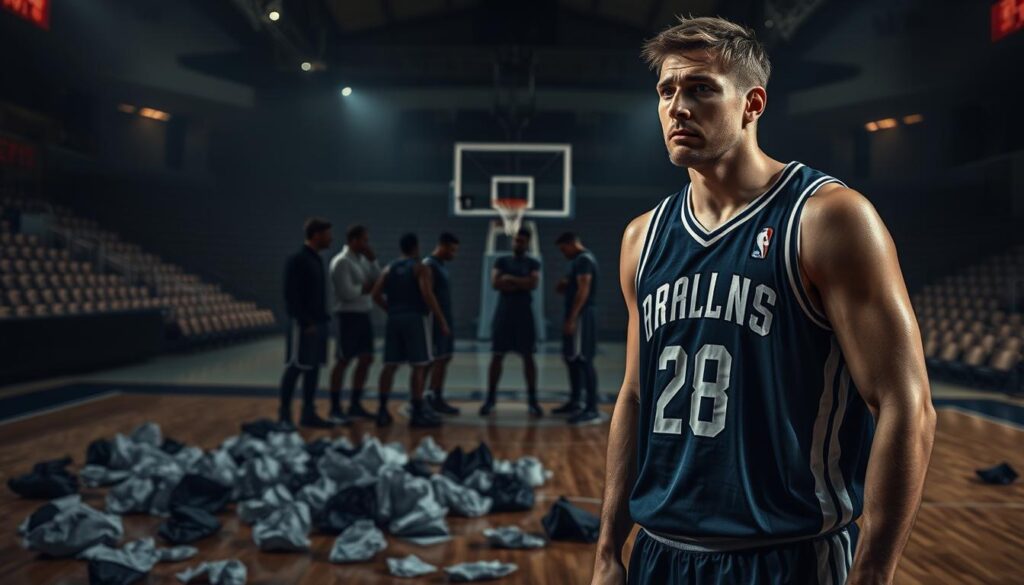
A cold shooting stretch can ripple through a team’s schedule and change the math in tight races. Short slates like the NBA Cup or condensed back-to-backs magnify the impact on win-loss records when a key scorer struggles. Single hot nights from players such as Jalen Brunson or Stephen Curry can flip a game, while a prolonged drought removes spacing and creates more contested twos and turnovers.
League-wide impact on win-loss records
Across a season, streaks of poor perimeter shooting shrink a team’s offensive ceiling. Opponents grab more offensive rebounds and attack the rim when spacing collapses, turning missed threes into extra possessions and free throws. That sequence can cost close games, and those losses add up to swing playoff positioning by a few seeds.
Compressed schedules make those swings starker. Teams with uneven game counts can leapfrog rivals after a single upset or fall after an upset loss. Young rosters and teams managing load can show bigger drops in efficiency when role players miss shots at a higher rate.
High-profile games and momentum swings
Signature performances shape narratives and affect momentum swings for weeks. A 40-point outing or a late comeback changes public perception and can energize a team for a multi-game run. Opposing teams exploit slumps by running decisive stretches that erase leads and tilt standings over several matchups.
Upsets matter more in tight conferences. When a favored club stumbles during a shooting slump, the ripple effect alters seedings and forces coaches to adjust rotations, which can further change outcomes in subsequent games.
Fantasy and analytics perspective
Fantasy basketball rosters feel these shifts immediately. Weekly formats punish cold weeks, while single-game formats reward outliers. Managers must weigh role changes and schedule noise when setting lineups.
Analytics models need to account for irregular game counts and outlier performances in an analytics shooting slump. Projection systems that ignore condensed schedules or sudden role shifts risk overestimating recovery speed. Adjusting for variance gives clearer probability estimates for playoff positioning and realistic expectations for player floors and ceilings.
Tactical causes behind cold shooting stretches and player performance drops
When a team cools off, the reasons are usually tactical and practical. Coaches respond with defensive adjustments that change spacing. Opponents apply interior pressure to force tougher looks. Those shifts affect rhythm and force role players into unfamiliar shots.
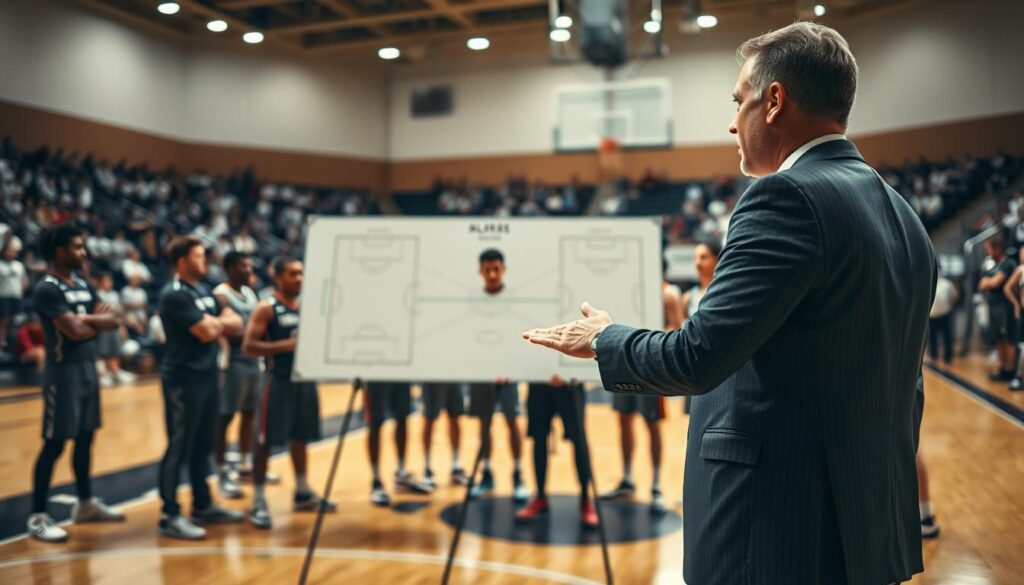
Opposing schemes that clog the paint reduce open three-point opportunities. Teams that crash the glass create second-chance points and erase missed shots. That physicality and emphasis on interior pressure can turn a short cold stretch into a longer slump.
Injuries, rotations, and lineup changes alter who gets shots and when. A sudden absence or load management plan changes timing between guards and wings. New lineups need time to rebuild chemistry, which often shows up as poor shot selection and lower efficiency.
Coaching staff shifts or interim rotations compound the issue. When veterans like Nikola Jokić sit fewer minutes or a rising star returns slowly from injury, teams adjust usage patterns. Those adjustments can swing responsibility toward high-variance scorers, increasing hot-and-cold outcomes.
Shooting mechanics and confidence are tightly linked. Less practice time, limited minutes, or lingering soreness affect release and footwork. Players report missing routine reps, which undermines shot feel and invites defensive sagging.
Short travel windows and midseason events change preparation. Schedule quirks such as the NBA Cup and compressed weeks push recovery limits. External factors NBA teams face include media distractions and roster churn that chip away at focus and consistency.
Coaches counter with targeted drills, lineup tweaks, and matchup-specific plans. Those measures aim to restore spacing, protect shot makers from heavy inside pressure, and rebuild confidence through controlled shot attempts.
Recovery strategies for teams and players to reverse a shooting slump and regain standings momentum
Teams aiming for shooting slump recovery should start by managing minutes for high-usage stars like Nikola Jokić, Stephen Curry, and Jalen Brunson. Controlled minutes preserve efficiency and allow coaches to design ceiling games that boost scoring without burning out key players. Strategic reinsertion—such as bringing Victor Wembanyama off the bench in select windows—can spark offense while protecting long-term health, a core NBA coaching strategies move to regain standings momentum.
On the floor, rebalancing actions helps reverse shooting slump patterns. Emphasize offensive rebounding and attacking the rim to generate second-chance points and free throws when perimeter shots are cold. Coaches can shift spacing to favor quick drive-and-kick sequences and higher-efficiency inside sets, borrowing tactical fixes from the college game. These adjustments create easier looks, reduce forced jumpers, and accelerate player confidence rebuilding.
Practice and analytics combine to make recovery durable. Daily, targeted shooting reps, focused film sessions, and small mechanical tweaks rebuild touch and rhythm. Use shot-tracking data to identify poor locations and nudge players toward higher-probability attempts. Rotational changes—adding bench wings or playmakers who create open looks—help returning scorers regain rhythm without immediate heavy minutes.
Finally, address load, roles, and mindset to lock in gains. Clear role definitions and timely roster moves can speed a turnaround; when clubs clarify usage and avoid last-minute lineup shuffles, players focus on execution. Pair sports psychology work with monitored rest, consistent communication on load management, and steady coaching direction to complete the player confidence rebuilding arc and fully reverse shooting slump signs in pursuit of regained standings momentum.

