
Forty-one percent of bettors say they watch lines within an hour of kickoff, and that last-minute line change can reshape a wager in seconds. Sportsbooks such as DraftKings regularly tweak lines—Pistons +4.5 vs. Cavaliers, Nuggets -2.5 vs. Nets, Heat -7.5 vs. Pelicans—to reflect injury updates, betting flow, and fresh analytics.
When a late odds drop appears on the board, it signals rapid odds movement in the betting market. Game-day injury news—Nikola Jokić ruled OUT with a knee issue, Jalen Duren sidelined for ankle recovery, or Herbert Jones listed OUT—often triggers sharp shifts. Books pull data from Rotowire, ESPN’s BPI and internal analytics to set and adjust lines in real time.
Beyond injuries, sportsbooks lean on AI and data-driven models to manage liquidity and respond to sudden demand. That interplay between technology and human reporting is central to sports betting news and explains why a last-minute line change can draw heavy attention from both casual and professional bettors.
Key Takeaways
- Late odds drop often follows injury reports or concentrated betting activity.
- Sportsbooks like DraftKings update lines throughout a slate to balance risk.
- Real-time analytics and AI shape rapid odds movement in the betting market.
- Public interest in sports betting is rising, adding volume to late markets.
- Last-minute line change can offer value but increases volatility and risk.
What a late odds drop means for bettors and the market
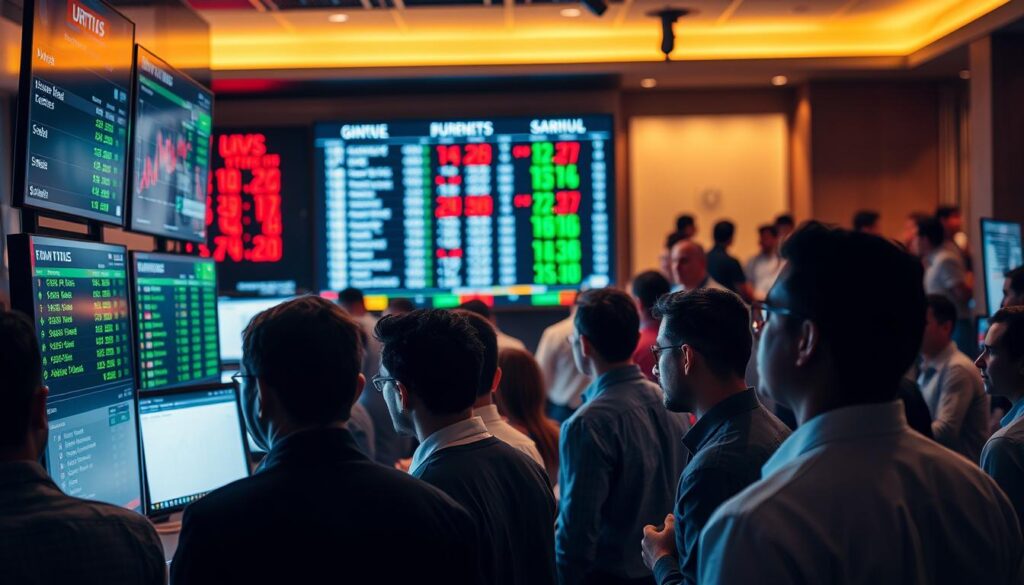
A late odds drop happens when sportsbooks shorten a price in the final hours or minutes before an event starts. This shift can come from injury news, weather, roster changes, or sharp bets. Lines move so books can rebalance liability using analytics and real-time feeds from providers like Rotowire and sportsbook APIs.
The betting mechanics behind a late change combine algorithmic models and human risk limits. Predictive tools such as BPI feed projected outcomes into odds models. If heavy bets hit one side, sportsbooks adjust spreads or moneylines to encourage opposite action. That process explains sudden spread movement or totals movement before kickoff.
Why bettors watch late movement matters to value seeking. A dramatic shift may signal new information or sharp money arriving late when professional bettors detect mispricing. Recreational bettors use movement as social proof. Tracking odds vs. moneyline changes helps bettors compare implied probability to their own view and decide whether value still exists.
Different bet types respond in distinct ways to late drops. Point spreads can swing several points, which alters handicapping and teaser math. Moneylines shift payout and implied chance, forcing bettors to recalc risk and reward quickly. Totals movement reflects updated pace, injuries, or weather and changes the expected scoring baseline.
Player props and live markets feel the ripple from a late odds drop fast. A key player listed out will depress points and rebounds props and lift others. Live markets recenter around fresh information, changing hedge and cash-out options for those already active in the game.
- Triggers for drops: injuries like a star being listed out, sudden sharps, weather, or influxes of public money.
- Data inputs: BPI, Rotowire injury feeds, sportsbook APIs and DraftKings-like platforms power recalculations.
- Practical effects: spread movement shifts handicap lines; odds vs. moneyline swings alter betting math; totals movement resets scoring expectations.
Reading late-line movement requires quick checks of injury reports, public betting percentages, and reputable analytics. That approach gives bettors context for the change and helps them weigh whether a late odds drop adds useful information or just noise.
Sharp money, public sentiment, and regulatory context
The timing and pattern of late odds movement can tell a clear story about who is trading and why. Sharp money often arrives in concentrated bursts from professional bettors and syndicates. Public money arrives as a broad wave from fans and casual players, often close to kickoff.

Distinguishing sharp from public flows
Sharp money tends to trigger sudden drops or one-sided moves with little change in ticket share. Books react by lowering limits or shifting lines to protect margins. Public money moves are slower, driven by volume of small tickets and headline games on ESPN or national broadcasts.
Practical signs include quick line shifts across multiple books and no corresponding spike in public betting percentage. Cross-checking odds across markets helps confirm whether a move reflects professional action or consensus public money.
Market signals and industry trends
Betting market signals now reflect faster data feeds, AI-driven pricing, and mobile liquidity that concentrates in final hours. Sportsbooks use analytics and player tracking to micro-adjust odds and manage exposure in real time.
New technology also raises the value of timely analytics such as expected goals and in-play data. Traders who monitor these betting market signals can spot when a drop matches underlying performance metrics versus when it is purely sentiment-driven.
For practical guidance on how sharp moves appear in real markets, consult this dropping-odds primer at Dropping Odds Decoded.
Societal perception and regulatory scrutiny
Public opinion sports betting is shifting as polls show growing concern about harm and integrity. That shift shapes lawmaker attention and local regulatory agendas.
High-profile incidents have prompted federal investigations and league actions. Scrutiny focuses on potential conflicts, undisclosed insider influence, and athlete involvement. Regulators push for stronger controls such as deposit limits, self-exclusion, and transaction monitoring.
Bookmakers and casinos must balance market liquidity with compliance. Choosing licensed platforms and following clear betting regulation helps protect bettors and supports transparent markets.
How bettors can respond to a late odds drop
Late odds shifts demand calm thinking and clear steps. Use a simple checklist to separate noise from value. Focus on facts from verified outlets before changing a stake. Keep decisions aligned with your plan and bankroll rules.
- Treat late moves as signals, not commands. Confirm injury reports via Rotowire or ESPN before reacting.
- If you already have a bet, consider smaller hedges or reduced stakes rather than chasing a new line.
- Limit exposure by setting unit-based stakes and sticking to them when lines swing late.
Practical strategies for advanced bettors
- Watch for sharp-money patterns: rapid line change with modest ticket volume can indicate professional interest.
- Use contrarian sizing when your models show value after a late move. Quantify edges with BPI or custom projections.
- Exploit correlated inefficiencies, such as props that lag the main market after an injury announcement.
Live-betting tactics
- If a key player is listed OUT, monitor pace and role-minute projections before taking live lines on totals or player props.
- Use sportsbook APIs and real-time odds feeds from DraftKings and other books to see how live lines adjust.
- Keep stake sizing conservative when using live lines; fast swings increase risk.
Final-hour tools and sources to watch
- Injury and status feeds: Rotowire, team injury reports, ESPN aggregated injury lists are primary sources.
- Analytics and projection models: ESPN Analytics (BPI), third-party models, and your own projections help quantify edge.
- Odds aggregators and market trackers show consensus, line movement across books, and sharp-money indicators.
- Follow verified beat reporters and official team channels for confirmed updates. Treat unverified social posts with caution.
Risk management and responsible-betting reminders
- Adopt strict bankroll management. Use unit sizing and cap exposure when markets move late to protect long-term play.
- Do not raise stakes solely because a line looks “sharp.” Size changes should be model-driven, not emotional.
- Use responsible betting tools: deposit limits, reality checks, and self-exclusion where needed. Operators and casinos offer AI monitoring and self-help features.
- Be aware of behavioral risks. If betting affects finances or wellbeing, seek support and reduce activity.
Keep strategy simple, verify reports, and protect the bankroll. That approach helps you respond to late movement with better discipline and fewer regrets.
Case studies and recent examples of late odds drop effects
A recent NBA slate offers clear late odds drop examples. Lines shifted across spreads, moneylines, and totals when injury news landed: Detroit’s Pistons opened as +4.5 vs. Cleveland with the total 235.5, Denver sat at -2.5 vs. Brooklyn with a 221.5 total, and Miami moved to -7.5 vs. New Orleans with a 243.5 total after Pelicans guard Herbert Jones was listed OUT. Those last-minute line change examples show how injury reports and projection updates can quickly reprice markets and create sharper edges for informed bettors.
Player outages like Nikola Jokic or Jalen Duren being listed OUT alter props and DFS value more dramatically than team lines at times. When starters are out, lesser-known players such as Isaiah Stewart or Peyton Watson become playable on prop boards, while sportsbooks sometimes lag on individual lines even as spreads move. These case studies betting market moments create both opportunity and risk: early sharps can profit, while recreational bettors who chase sportsbook movement late may face worse outcomes.
Beyond single-game shifts, industry-level examples reveal why books react fast. Federal inquiries into league-gambling ties and high-profile disciplinary actions have changed public sentiment and how books price risk. At the same time, casinos and online operators increasingly use analytics and AI to process sharp action, accelerating sportsbook movement in the final hours. That combination has prompted regulators and outlets to scrutinize how late moves occur and are communicated.
The practical takeaway: treat late odds drop examples as signals, not guarantees. On slates like the NBA night above, monitor injury feeds, Basketball Power Index projections, and sharp-money indicators before adjusting stakes. Apply bankroll rules, trim exposure when lines swing, and use responsible-betting limits to manage the risks that come with last-minute line change examples in today’s market.

