
DraftKings data shows one market early this month drew 43% of bets and 35% of handle on a single future, underscoring how concentrated action can push sportsbooks into stress. That pattern, paired with marquee college matchups like UConn vs. Florida at Madison Square Garden and rapid NFL line swings, has operators bracing for a potential record betting volume on December 11.
Media-driven narratives — from Doug Kezirian’s confidence plays on UConn to Johnny Avello’s notes on long-lived futures — amplify retail activity and create fast-moving liabilities. Injuries, such as last-minute ankle updates, and heavy public bias toward home teams in U.S. sports betting often force books to adjust spreads and limits within hours.
Operators including BetMGM, DraftKings, theScore Bet and SuperBook are coordinating trader desks and liquidity plans now. Traders like Tom Pullin and Christian Cipollini have signaled that concentrated ticket volume, high-profile props, and tournament futures can combine into Market Turbulence Alert scenarios that push a single day’s handle into record territory.
Key Takeaways
- DraftKings and other operators already see concentrated futures and bias that can swell December 11 betting handle.
- High-profile college games and major NFL matchups are likely catalysts for record betting volume.
- Injury reports and media confidence plays can accelerate line movement and retail betting.
- Bookmakers are running Market Turbulence Alert protocols and adjusting limits preemptively.
- Expect rapid adjustments to spreads, totals, and limits as liability builds across U.S. sports betting markets.
Why December 11 Could Produce a Record Betting Handle
December 11 stacks an unusual mix of marquee matchups, holiday betting patterns, and cross-sport overlap that can push overall volume well past normal levels. Bookmakers watch calendar clustering, media narratives, and large retail swings to spot possible spikes in activity.
High-profile matchups and cross-sport interest
Big college basketball games at Madison Square Garden draw heavy attention. When UConn meets Florida, bettors chase spreads, totals, and player props. Media picks from shows like ESPN and personalities who back UConn or specific players can concentrate tickets on one side. This pattern repeats across the card when NFL, NBA, and college hoops overlap, creating a climate ripe for cross-sport betting.
Seasonal betting patterns and holiday timing
Late-year timing matters. Fans gather for holidays, promotions rise, and leisure time grows. That combination feeds retail wagers and online impulse bets. Historical holiday betting patterns show higher discretionary spend, which amplifies action on single days with several compelling games.
Futures and liability build-up ahead of big events
Long-dated markets add another layer. Sportsbooks track early money on futures to measure exposure weeks before showdowns. DraftKings and BetMGM monitor concentration in favorites and shift limits when futures liability buildup becomes acute. When futures overlap with live match betting, liabilities can align and force aggressive risk management.
- Concentrated media endorsements can skew ticket flow toward one side.
- Cross-sport cards increase the number of bettors active the same day.
- Holiday timing raises discretionary stakes and promo-driven volume.
Market Turbulence Alert
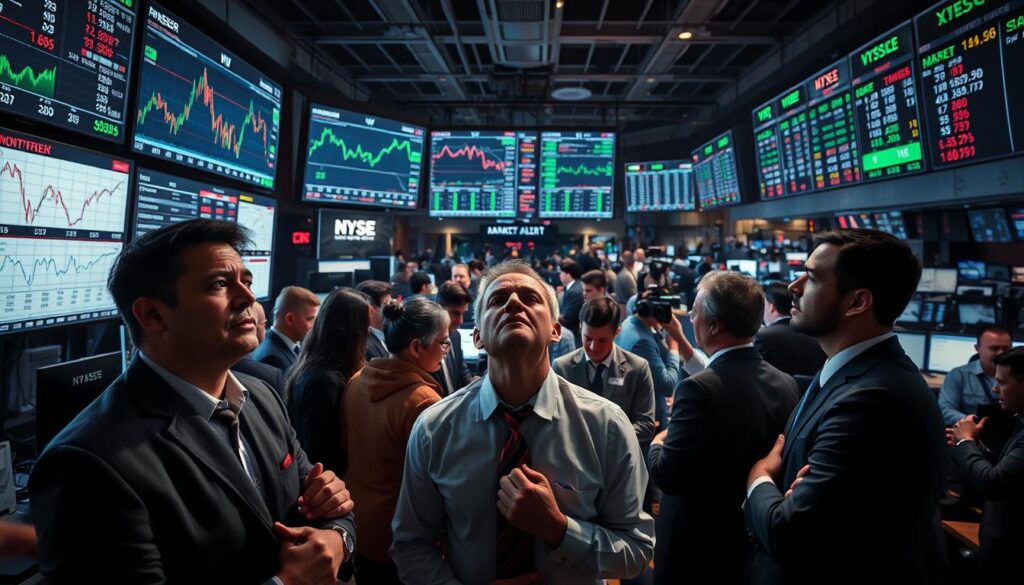
As major showdowns approach, bookmakers track a short list of sportsbook indicators that flag rising stress in the books. Early injury reports, media narratives, and heavy futures money can push liability unevenly. Sports operators watch ticket-versus-handle splits, concentrated prop action, and rapid line moves to anticipate pressure days ahead of kickoff.
Indicators sportsbooks monitor before major showdowns
Retail bets tied to talking-head picks often trigger one-sided ticket flow. DraftKings, BetMGM, and theScore Bet publish patterns that trading desks follow to detect crowded markets. Sudden spikes in volume, outsized wagers on a single prop, and long-dated futures concentration are red flags that prompt reactive adjustments.
Public favorites or home-team bias create predictable stress points. Traders cross-check market depth and trading book exposures against known narratives. For broader context on market resilience and volatility metrics, firms reference industry speeches and analysis such as those at resiliency through unprecedented market turbulence.
Trader strategies to limit risk during turbulent markets
Trading strategies center on restoring balance quickly. Managers may reopen markets to move spreads, paint lines to attract opposite action, or alter limits on specific markets. They will shift pricing on totals and props to nudge bettor behavior toward desired exposure.
Some desks hedge via layoff bets with other books or exchanges. Others adjust in-play offerings to reduce single-game concentration. These steps form the core of day-to-day risk management when volatility spikes.
Case studies of recent volatility and its effects
Real examples clarify the mechanics of turbulence. A LeBron James 10+ points prop priced at extreme odds still accepted a large single wager, exposing DraftKings to concentrated prop risk. Rapid injury news for Jayden Daniels produced a sharp Lions-Commanders line shift, forcing books to reprice and rebalance liabilities in minutes.
Long-dated exposure in World Cup markets showed how early favorite bias can create systemic risk when public teams overperform. Packers-Eagles and Rams-Niners swings illustrate how midweek sentiment and game-day information move spreads and totals, prompting targeted limit changes and active hedging.
- Watch early futures and ticket/money splits for first alerts.
- Track concentrated props and big-ticket wagers for immediate pressure.
- Expect trading strategies like market reopens and limit cuts during surges.
How Odds, Lines, and Limits Will Shift for December 11 Showdowns
Bookmakers set early prices knowing heavy action can arrive from many directions. Pre-game volatility often starts days before kickoff when injuries, venue notes, and betting flows alter perception. Traders watch line movement closely to protect books and steer risk.
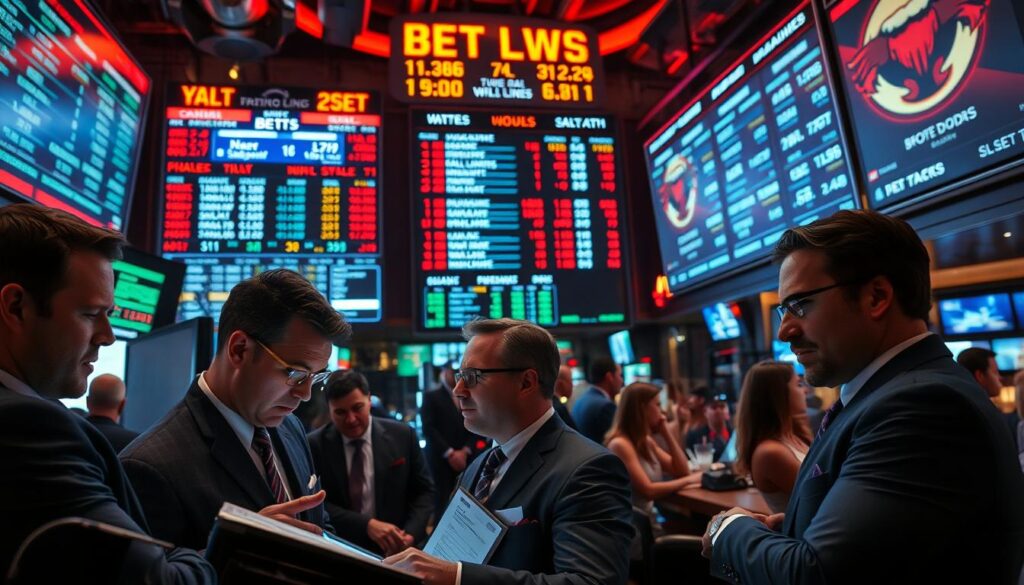
College basketball offers clear examples. A matchup like UConn favored by 4.5 with a total of 145.5 will see shifts if media picks or arena prominence at Madison Square Garden drive concentrated bets. Uncertainty about starters, such as a late question around a player, forces rapid odds shifting.
Futures markets behave differently. World Cup prices move slowly over months as public action builds. DraftKings and BetMGM post bet percentages that reveal exposure. Books shorten or lengthen teams after events that change perception, creating steady pre-game volatility in long-dated markets.
Market-specific examples across major U.S. sports
NFL lines respond fast to new information. The Packers-Eagles spread opened at Packers -3 and moved to -1 at BetMGM after late money. Totals shifted from 46 to 45 as bettors leaned a certain way. The Rams-49ers market showed a move from -3.5 to as much as -6 with totals climbing from 48.5 to 49.5 when public demand pushed the Over.
The Lions-Commanders game illustrates how injury reports can jump a spread from -3.5 to -9.5 before stabilizing. Player props carry heavy skew. A prop like LeBron 10+ points priced at -2600 can still attract large wagers. Books cap exposure with low sportsbook limits or aggressive pricing, yet single big bets can change liabilities.
How sportsbooks communicate and enforce limits
Operators use midweek notes, market displays, and public odds feeds to signal adjustments. Trading managers such as Christian Cipollini, Casey Degnon, and Tom Gable describe when a book “needs” more Under or a cover. When exposure concentrates, markets may be re-opened with new prices or removed to reset risk.
- Repricing: spreads and totals move to rebalance money and reduce excessive liability.
- Limits: maximum bets get lowered on select markets to manage concentration.
- Suspensions: books temporarily take lines off the board after injury news or when correlated exposure spikes.
Market-specific examples make the mechanics obvious. Traders coordinate across internal risk teams and public channels to enforce sportsbook limits and manage odds shifting on a high-handle day like December 11.
What Bettors and Industry Observers Should Watch on December 11
Bettors should track marquee game details and injury reports closely. Player availability — for example, monitoring Tarris Reed Jr.’s ankle status for UConn vs. Florida — can swing spreads and totals fast. Follow trusted analysts such as Doug Kezirian for early signals where retail attention might cluster. This forms the core of any December 11 betting watchlist and triggers timely bettor alerts.
Industry observers need to monitor futures exposures and ticket-versus-handle splits at major operators. Watch DraftKings-style reports that break percent bets vs. percent handle for markets like Spain, and early money concentrations on favorites or home teams seen in past World Cups. Public quotes from Johnny Avello, Tom Pullin, and Adam Landeka often reveal sportsbook signals about where systemic liabilities live and where a market turbulence warning could first appear.
On game day, focus on live line movements, market percentages, and trader commentary from BetMGM, Borgata, and SuperBook. Rapid spread jumps after injury or late news — similar to the Lions-Commanders scenario — are red flags. Heavy one-sided money percentages, such as a 74% tickets/86% money split, act as high-handle indicators that force books to shift lines, reduce limits, or seek hedges. Player prop concentration and extreme pricing (for example, a heavy favorite at steep negative odds) can also expose books to outsized risk.
Practical steps: follow official injury feeds, watch handle and ticket reports where available, and track trader communications from figures like Avello, Cipollini, Degnon, Gable, and Pullin for real-time color. Be prepared for sportsbooks to re-open markets, lower limits, or suspend bets during spikes. These signals form a compact December 11 betting watchlist and help both bettors and observers act on sportsbook signals before turbulence grows.

