
FIFA’s 2026 World Cup draw at the Kennedy Center confirmed one clear reality: a 48-team tournament will make the international calendar denser and force clubs to rework squad management as domestic seasons hit their climax.
Expanded competitions and extra playoff windows mean more travel, more midweek matches and sharper fixture congestion for top players. Clubs now face a tougher puzzle: protect stars for long-term goals while collecting points during the year-end run of games.
On the Premier League front, trends show refereeing patterns and VAR calls alter match outcomes in measurable ways. Managers such as Liverpool’s Arne Slot are already adjusting player rotation strategy around injury risk, officiating tendencies and match intensity.
At the same time, fan reaction from Scottish Premiership fixtures underlines a simple expectation — substitutes and rotation must deliver results, not just fresher legs. That pressure shapes how coaches approach the season climax and influences every decision on the team sheet.
Key Takeaways
- Expanded international tournaments increase fixture congestion and demand smarter football squad rotation.
- Squad management must balance protecting player fitness with securing points during year-end fixtures.
- Refereeing trends and VAR decisions change the risk profile of rotation choices.
- Managers tailor player rotation strategy to match context: travel, opponent style, and officiating patterns.
- Fan expectations raise the stakes for substitutions and late-game tactical changes.
Why football squad rotation matters as the season reaches its climax
Clubs face a packed calendar as domestic fixtures collide with an expanded international schedule. Managers who plan for midseason congestion must factor in player fitness management and sports science recovery to keep key men available. Careful load monitoring helps with injury prevention while preserving performance when matches matter most.
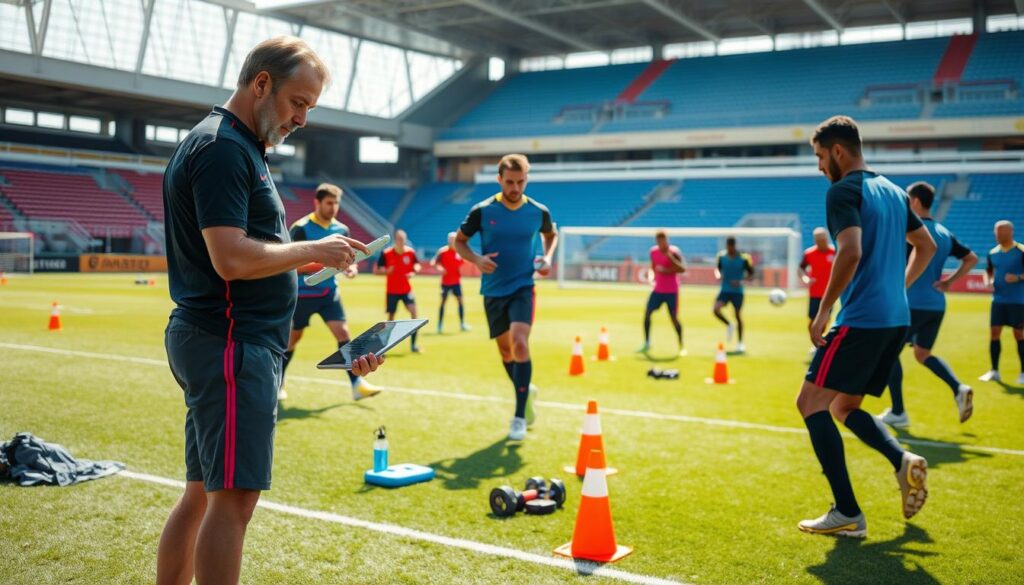
Sports science recovery programs now drive daily decisions at clubs like Liverpool and Manchester City. GPS data, wellness scores, and training loads shape who starts and who rests. Clear protocols reduce soft-tissue injuries and boost availability across a long season.
Rotation also protects players from spikes in minutes during play-in tournaments or international breaks. Linking tactics to recovery creates space for fringe players and improves overall injury prevention planning.
Performance trade-offs: fresh legs versus cohesion
Rotating gives managers fresh legs but can disrupt patterns of play. Too many changes harm team cohesion and passing fluency. Coaches must weigh rotation trade-offs in real time, picking which roles can shift without collapsing structure.
Practical choices depend on squad depth and opposition style. Matchups sometimes demand role-based swaps, while other games allow broader rotations that prioritize recovery and minutes management.
Psychology and squad morale
Transparent communication about selection builds trust across the dressing room. Fans expect consistent results, making rotation a political act as much as a tactical one. When managers explain why players rest or start, morale stays higher and confidence grows among squad members.
Using experienced substitutes in critical moments can restore control, as seen in comeback wins that hinge on timely personnel changes. A balanced approach protects player careers and keeps the group united during a crowded run of fixtures.
- Monitor loads with sports science recovery tools to guide rotation choices.
- Prioritize injury prevention while maintaining core systems for crucial matches.
- Use squad depth to rotate without sacrificing the identity of the team.
For a coaching perspective on practical rotation methods and long-term player development, see this detailed discussion at coaches club.
Squad rotation strategies linked to on-field results and refereeing variables
Clubs must balance immediate match needs with season-wide goals. Managers who plan around fixture congestion, international windows, and player workload can use tactical rotation to protect key assets while still targeting points. That approach ties into long-term squad planning and reduces the risk of running short during decisive stretches.
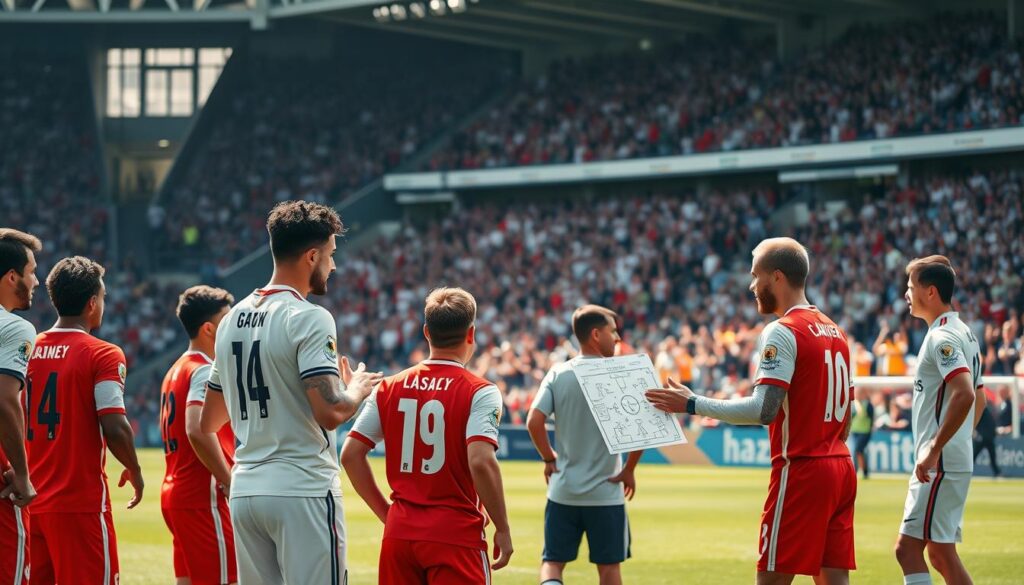
Role-based rests and matchup-driven selection help coaches set lineups that match opponent threats. Teams should rest high-minute starters who face heavy international travel or are one booking away from suspension. Using matchup-driven selection also lets a manager field a player with specific traits for a planned game plan.
Tactical rotation: role-based and matchup-driven selection
Define roles by position, workload, and recovery needs. Sports science data guides who sits and who starts. For example, rotating a box-to-box midfielder after a string of intense matches keeps the engine fresh for cup runs and late-season pushes.
Impact of officiating and discipline on rotation outcomes
Referee impact must factor into lineup choices. Referees differ in foul tolerance, carding rates, and VAR tendencies. Managers study officials like Craig Pawson and Andy Madley to predict how tightly a game will be policed.
Discipline management reduces suspension risks and preserves availability. Resting a player on three yellow cards in favor of a cleaner alternative avoids forced absences later. Choosing a more disciplined XI can absorb a rough match without losing core starters for big fixtures.
When rotation leads to short-term losses but long-term gains
Dropping points intentionally by resting key starters is a tactical trade-off. A temporary dip in results can be the cost of avoiding injuries and burnout. Clubs that accept short-term losses may see a rotation payoff through sustained form in title races and cup ties.
- Use officiating forecasts to decide if a robust lineup is needed for a physical referee.
- Pair short-term role changes with clear communication to players and fans to limit backlash.
- Track rotation payoff with minutes, injury rates, and points per match across the season.
How clubs, managers, and fans respond ahead of year-end fixtures
As the calendar tightens, fixture planning becomes central to club strategy. Expanded international tournaments force teams to map season-long squad use and to coordinate with national teams. Clubs lean on sports science monitoring—GPS data and heart-rate variability—to time targeted rest for aging stars and rotate full-backs and midfield engines before heavy runs.
Manager decisions often shift midseason when injuries, emotional events or refereeing trends change the picture. Arne Slot’s early weeks at Liverpool illustrate the pressure of following a popular predecessor while integrating new personnel. Teams now profile match officials and use referee-aware tactics to reduce risk, and they build succession plans so experienced signings or academy graduates can step in when rotation squeezes depth.
Fan expectations shape selection debates. Supporters reward perceived effort and late-game impact but react to low-energy starts, prompting managers to justify rotations with clear communication strategies. Rotation transparency—explained in press conferences and club channels—calms criticism and keeps morale intact when short-term results are sacrificed for longer aims.
Successful clubs blend data-driven rotation, referee-aware planning and open messaging to players and supporters. For a deeper look at player-use patterns and manager approaches across the Premier League, see this analysis from The New York Times Athletic player rotation analysis, which underscores how rotation transparency and smart fixture planning can protect results over a congested run.

