
Sharp money and retail tickets pushed notable sportsbook line movement this morning, with several spreads and totals swinging by multiple points before kickoff.
Early reports from BetMGM, DraftKings and Borgata show market shoves on college and NFL games after a wave of large bets and news-driven roster changes. VegasInsider documented Alabama vs. LSU toggling from -11.5 to -9.5 while Texas Tech opened near -10 and climbed toward -13.5, clear examples of rapid odds movement across books.
Professional models and public handicappers are also influencing betting odds shifts. Analysts like Ben Solak, Seth Walder and Matt Bowen have pushed model-backed recommendations that created one-way money flows in several markets, and WagerTalk’s public free plays and package promotions are drawing shopper attention early in the week.
Those threads—sharp action, model activity and coaching or opt-out news—are combining to produce textbook sportsbook line movement and noticeable odds movement across major fixtures. Bettors tracking market shoves should watch ticket vs. money splits and juice adjustments to find where value may still exist.
Key Takeaways
- Multiple books reported heavy line movement today after sharp and public money hit key games.
- Alabama vs. LSU and Texas Tech vs. BYU showed some of the largest betting odds shifts.
- Model-backed calls from Solak, Walder and Bowen are driving early market shoves.
- WagerTalk’s free plays and packages are influencing retail behavior in opening markets.
- Watch ticket/money splits and juice changes to spot lingering value amid sportsbook line movement.
How line movement today is impacting major NFL and College Football matchups
Line movement today has shaped betting angles on several high-profile NFL and college football games. Early action, media reports and sharp money have pushed spreads and totals in ways that matter to handicapper timing and bankroll plans. The next paragraphs outline the market drivers you should watch and how sportsbook adjustments create potential edges.

Overview of early market drivers for today’s NFL games
In the NFL, matchup analytics and weather are common market drivers that alter outlooks quickly. For example, Green Bay’s zone coverage profile against the Broncos affected spread pricing in ways that favored the Packers in some models.
Pressure and coverage splits influence totals and prop inflation. Analysts such as Walder use pass-attempt models to find value on overs for quarterbacks in games where game script suggests passing volume. Cold snaps, like low temps at Soldier Field, can push totals toward unders.
College football lines with significant shifts and why
College football line movement often responds to opt-outs, injuries and coaching changes. Bowl markets show this clearly when quarterbacks withdraw or staff changes hit recruiting and preparation cycles.
Local money and sharp interest can force rapid moves. Examples include late LSU coaching news drawing action that moved books like BetMGM and DraftKings. Texas Tech saw heavy one-way traffic that produced big shoves and altered public perception of value.
How sportsbooks adjust and where value can appear
Books manage risk with price changes and juice shifts. When liability concentrates, operators alter lines and add or remove juice to attract counter-action. DraftKings and BetMGM have toggled pricing on major moves to balance exposure.
Sharps vs public flows reveal timing advantages. Early lines from Circa or smaller markets sometimes offer positive expected value before sharps overload books. Shopping across DraftKings, BetMGM, Borgata and Circa and checking timestamped history helps spot reverse line value where tickets and dollars diverge.
- Watch ticket-versus-money splits to see where books are painting lines.
- Use multiple books to capture better pricing and reduced juice.
- Monitor injury reports and opt-outs; these remain top market drivers in college and bowl play.
Notable college and pro fixtures showing heavy movement and model-backed reactions
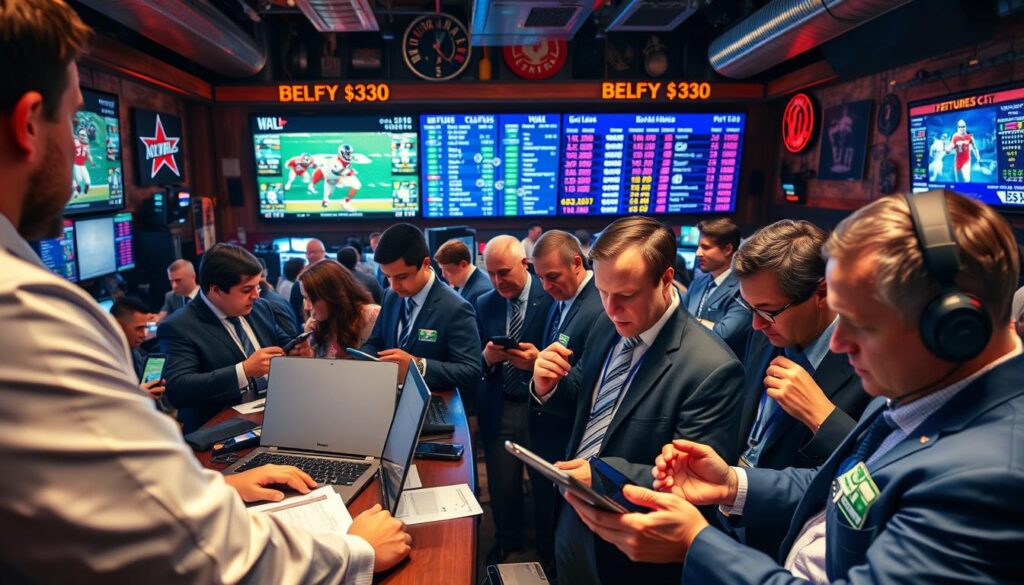
The market showed striking shifts on several college and NFL games as sharp money and public tickets pushed books to react. Tracking notable line movement today helps bettors spot where value or risk clusters form. Below is a concise outline of contests and props that saw material swings and how models and experts adjusted.
Highlighted college contests with measurable shifts
Texas Tech vs BYU line movement drew heavy attention when BetMGM pushed Texas Tech down into chalk near -13.5 while totals slipped from about 53.5 to the low 50s. Ticket splits at DraftKings showed most tickets on BYU while most money backed Texas Tech, a classic divergence that strains books.
Alabama vs LSU odds moved back and forth after coaching news and local cash. Multiple books adjusted spreads from roughly -11.5 to -9.5 for Alabama while totals compressed around 49–50. Sharp buys on LSU and public tickets on Alabama created oscillating price action.
Penn State vs Indiana experienced wide swings that favored Indiana at times, opening around -13.5 and peaking near -15.5 before settling nearer -14. Market concentration on Indiana produced heavy ticket counts and matching money percentages on major books.
Pro matchups and prop lines that moved materially
Packers Broncos line movement responded to matchup analytics showing Green Bay’s scheme advantages versus Denver’s secondary. Models leaned to Green Bay spreads after projections noted Bo Nix struggles versus certain zone coverages and the Broncos’ reduced rushing usage without J.K. Dobbins.
Lions vs. Steelers movement reflected Detroit bounceback trends after losses. Recent performance patterns and sharp bets pushed Lions pricing toward a mid-single-digit favorite in several shops.
Prop line surges appeared across skill positions and front-seven markets. Targets such as Derrick Henry receiving yards, David Montgomery receiving yards, Caleb Williams rushing yards, and sack lines for Josh Sweat or Quinnen Williams sparked large swings as models picked alternate lines.
Model and expert picks reacting to movement
Ben Solak, Seth Walder and Matt Bowen adjusted exposure when spreads tightened or totals shifted. Solak pivoted to team totals in games where spreads became squeezed. Bowen favored situational under plays in cold-weather matchups. Walder recommended alt reception and pass-attempt lines when raw numbers showed edge.
Model-backed betting often leaned toward alternate markets during heavy movement because alt lines sometimes hold value the main market loses. WagerTalk and books that post capper records let bettors compare unit returns and timing to see if moves stem from sharps or public action.
- Watch money-per-ticket splits and timing of large wagers to tell sharp interest from public flow.
- Consider model-backed betting when experts publish positive unit returns in the face of large swings.
- Use prop line surges as a cue to shop alternate lines or correlated team totals.
Practical guidance for bettors tracking line movement today and reacting responsibly
Start with a clear process for how to track line movement today. Monitor the best sportsbooks to monitor — DraftKings, BetMGM, Borgata and Circa — and capture a timestamped line history for each contest. Record opening, middling and late lines alongside tickets vs. dollars when available to see whether moves are ticket-driven or money-weighted.
Use market trackers and news feeds such as VegasInsider and WagerTalk, and pay attention to model writers like Ben Solak, Seth Walder and Matt Bowen for context. That background helps form a practical line movement strategy: prioritize money-weighted swings, verify injury and opt-out reports before betting, and compare early lines vs. closing lines to spot value.
Adopt a staking plan that matches your risk tolerance. Many modelers report flat-unit staking for clarity, while reactive plays can use a 3%–5% max limit approach for late sharp shoves. When heavy steam hits late, reduce stakes or hedge; books often tweak juice to balance liability, so smaller sizes protect bankrolls during volatile windows.
Keep strict record-keeping and risk rules. Set alerts with odds aggregators, shop multiple books for the best price, and log entry line, exit line, stake and rationale. Over time you can test whether a line movement strategy improved ROI. Above all, practice betting responsibly by sizing bets to your bankroll and relying on documented edges, not impulse reactions to hype or single large tickets.

