
Almost 40% of major NFL and NBA games have seen decisive line movement in the final two hours before kickoff or tip this season, driven by concentrated wagering that forces fast sportsbook adjustments.
Late steam — bursts of heavy, time-sensitive betting — can reshape markets in minutes. When sharp bettors and syndicates place clustered wagers, books respond to protect margins and limit sportsbook risk through rapid line movement and changes to market depth.
Opening odds are set by models, data teams, and experienced handicappers who convert probability into prices. But closing line value often tells the real story: when a bet beats the closing market, it’s a clear signal of value. That final price is what bettors and operators watch closely.
Key metrics like handle, turnover, and hold determine how aggressively a sportsbook reacts. Sudden shifts in turnover reveal where action concentrates, prompting sportsbook adjustments such as moving the spread, tightening limits, or altering juice to rebalance exposure.
Key Takeaways
- Late steam causes rapid line movement and can change implied probability before game start.
- Books monitor handle and turnover to measure sportsbook risk and decide on adjustments.
- Closing line value (CLV) is the benchmark for market efficiency and bettor edge.
- Sharp action and syndicate bets are primary drivers of last-minute market swings.
- Sportsbooks use line shifts, juice changes, and limits to protect margins and balance books.
How betting steam forms and why it matters to sportsbooks
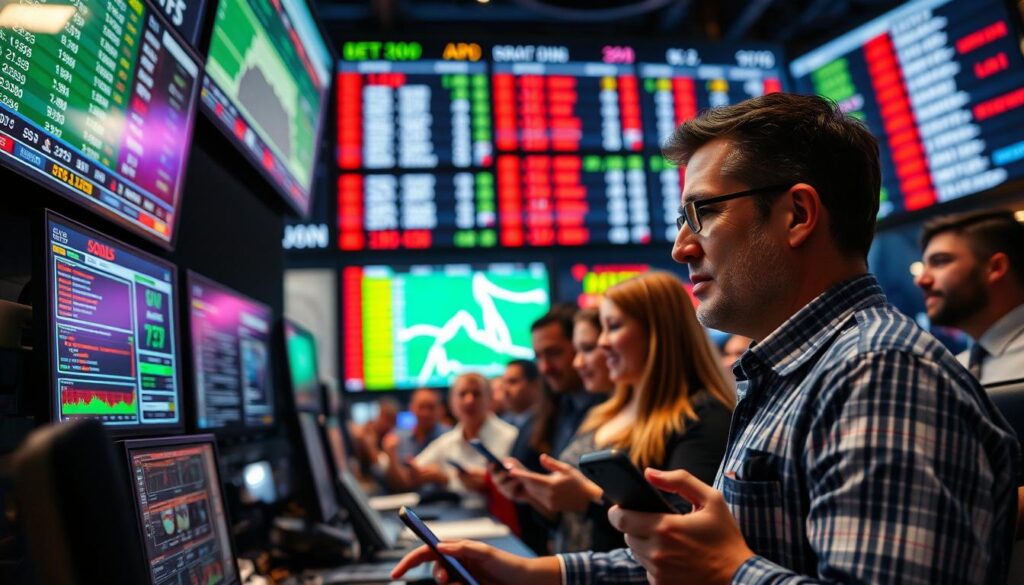
Betting steam is a rapid surge of wagers that forces prices to reprice across multiple books. The definition of betting steam captures both the speed and concentration of that activity. Steam mechanics show how a cluster of large bets can shift spreads, moneylines, and totals in minutes.
Sharp bettors trigger many early moves by backing perceived edges at opening odds. Syndicate betting adds scale when organized groups deploy capital across several sportsbooks to exploit a single piece of information. Information feeds such as real-time injury reports or lineup confirmations can create last-minute steam when traders and pros act on fresh facts.
Books convert American odds into implied probability to set lines. When steam floods one side, implied probability changes quickly and books alter spreads or juice to rebalance liability. The CLV impact is visible when early bettors lock in lines and later see the closing market validate their positions.
Traders watch reverse line movement for signs of sharp action. A favorite moving from -6.5 to -7.5 after limited public money suggests professional money is present. Comparing adjustments from sharper shops like Pinnacle or Circa Sports helps identify where steam is flowing and how risk exposure shifts.
Examples of market reactions vary by market type. Spreads in tight games often move by half or full points under late steam. Totals can shift by 0.5–1 on weather or scoring news. Moneyline swings reflect fast shifts in implied probability, producing clear CLV impact for bettors who got earlier prices.
Recognizing the origin and timing of steam matters for both bettors and books. Early sharp bettors usually reflect model edges, while late syndicate betting and new information feeds often carry fresher intelligence. Books use closing line value and pattern analysis to refine limits and protect hold.
For a detailed look at how bookmakers set lines and react to professional action, see this explainer from Sporting News: how sportsbooks set betting lines.
Bookmakers’ risk management: adjusting lines, vig, and exposure
Bookmakers build the market to balance action and protect margin. Their sportsbook risk management blends statistical models, veteran handicappers, and real-time data to set opening odds that reflect matchup details, injuries, and situational context. Opening lines act as a baseline that will move with wagers and new information.
Line creation relies on three core inputs. Algorithms process historical trends and matchup analytics. Human traders overlay nuanced insights about travel, lineup news, and public sentiment. Third-party feeds and market signals let operators refine pricing before steam or heavy bets push adjustments.
When one side draws outsized handle, books must rebalance quickly to avoid concentrated exposure. Traders shift spreads or moneylines, sometimes by a half- or full-point, to nudge action to the other side. Monitoring correlated markets—parlays, props, futures—reveals where risk aggregates and where swift moves are needed.
Vigorish and targeted juice adjustments are effective levers. Increasing the vigorish on the popular side raises the cost of betting that outcome. Offering reduced juice on the less-bet side gives bettors an incentive to counterbalance the book. Visible changes in juice can deter momentum chasing and shape market depth across books.
Books also use firm controls when risk persists. Betting limits or account restrictions help manage repeated sharp action and protect the operator’s hold. Licensed U.S. sportsbooks apply these tools within regulatory frameworks to maintain compliance while curbing professional exploitation.
Hedging completes the toolkit. Operators lay off risk to other books, exchanges, or through offsetting bets in correlated markets to stabilize margin. Traded hedges and third-party risk transfers keep exposure management dynamic across volatile events.
- Line creation: models plus human oversight to set credible opening odds.
- Rebalancing: moving spreads, adjusting moneylines, and altering totals.
- Vigorish and juice adjustments: change price signals to influence bettors.
- Limits and account actions: protect hold from professional bettors.
- Hedging: transfer or offset risk to maintain stable returns.
Operators track performance metrics and audit liquidity to decide how aggressively to intervene when steam alters the market. Effective exposure management keeps the book profitable while preserving fair pricing for recreational players.
Market types most affected by late steam and movement patterns

Late steam reshapes price action across several market types. Small information edges — injury reports, lineup changes, weather updates — often trigger quick spreads movement and moneyline shifts. Traders watch liquidity and timing to decide whether to trade into the move or wait for the closing line.
Spreads and point margins react sharply in tight contests. A half-point or full-point swing, such as -3.5 to -4.5, changes cover outcomes and forces books to rebalance exposure. Live markets will reroute spreads as momentum, injuries, or clock management alter expected margins, creating short windows for value.
Spreads and point margins: why they move more in tight contests
Tight matchups attract concentrated bets because small edges matter. Books shift spreads to protect hold when one side draws heavy action. Bettors tracking consensus and closing lines can spot where early odds offered better expected value than late prices.
Moneyline shifts and implied probability conversion during steam runs
Moneyline odds translate directly into implied probability. When steam pushes a favorite from -160 to -200, implied win probability jumps and rewards early bettors with positive closing line value. Moneyline shifts become pronounced when public bets cluster or sharp money targets a side.
Totals and live scoring markets reacting to new information
Totals movement responds to pace, weather, and teammate availability. In-play totals update fast after scoring runs or confirmations of lineup changes. Live markets rely on feed speed; latency can create brief mismatches that move totals by 0.5 to 1 point.
Player props and futures: volatility, liquidity, and longer-term adjustments
Player props volatility is common because liquidity is thinner and minutes or usage rates matter. Late confirmations of minutes or role changes can send prop prices swinging. Futures adjustments occur over a longer horizon when syndicates or late-season money shifts perceived championship chances.
Books protect margins on props and futures using limits and selective depth. That makes these markets easier for sharp groups to influence and harder for recreational bettors to find consistent edges.
- Spreads movement often signals where risk is concentrated.
- Moneyline shifts show how probability expectations evolve.
- Totals movement reflects immediate scoring forecasts.
- Player props volatility and futures adjustments reveal liquidity gaps.
Readers can learn more about how different betting markets behave by reviewing market types and mechanics at betting markets explained. Pay attention to liquidity, vigorish, and timing when you assess late steam and price movement.
How bettors should respond to late steam and evolving lines
When a market shows persistent movement, treat that steam as information rather than a temptation. If sharp money or syndicates move a line, avoid fighting momentum unless you have a documented, quantifiable edge. A solid betting strategy includes routine line shopping across BetMGM, DraftKings, and FanDuel to secure the best price and lower vig.
Do not chase late steam blindly; most late moves reflect fresh facts that already re-price value. Use a CLV strategy by tracking closing-line performance and aim to bet when your model indicates the market has not absorbed the true probability. If steam looks overdone, reduce stake size or wait for a re-entry point to protect bankroll management.
Prefer higher-liquidity markets like NBA and NFL spreads where slippage is smaller. In thinner markets such as player props or futures, scale back stakes: syndicate activity can create abrupt gaps. Use consensus lines and aggregation tools to spot origins of movement, and keep predefined staking limits to avoid emotional raises after wins.
Practical rules: if a favorite’s moneyline shortens dramatically and you lack verified information, refrain from chasing steam. If you obtain confirmed data—an injury or lineup change—act quickly but across multiple books to preserve pricing. Track CLV and long-term results; disciplined bankroll management and recorded CLV trends correlate with sustainable profitability.

