
Line movement shows sharp action: NBA player props with the highest expected value are already shifting as sportsbooks adjust to injury news and usage trends.
Use the props grid to spot edges by comparing expected value, cover probability, bet rating and the best available line. The grid sorts by expected value — the gap between a modeled true probability and the sportsbook price — and breaks out prop (player, prop type, matchup, date/time/venue), expected value, cover probability, bet rating and best line.
Most NBA player prop predictions on the grid are free and come from a computer model that flags discrepancies across more than 50 markets, from points and rebounds to PRA and first-quarter stats. That makes the props grid a central tool for finding high-expected-value NBA player props and NFL player props when cross-sport opportunities appear.
Timely context matters: injury reports and matchup notes shape cover probability and the final recommendation. Industry updates from VSIN and real-time lines can shift a pick from attractive to avoidable within minutes, so integrate the props grid with live injury tracking and matchup modeling.
Key Takeaways
- Consult the props grid to prioritize plays by expected value and cover probability.
- Model-driven NBA player props reveal pricing gaps across points, rebounds, assists and PRA markets.
- Combine matchup notes and injury updates for situational adjustments to player prop predictions.
- Most quality player prop predictions are free; use bet rating and the best available line to size wagers.
- Monitor live lines and industry reports to protect expected value before lock — see the latest grid for updates at props grid.
Top NBA and NFL Player Props to Target Today — expert picks and lines
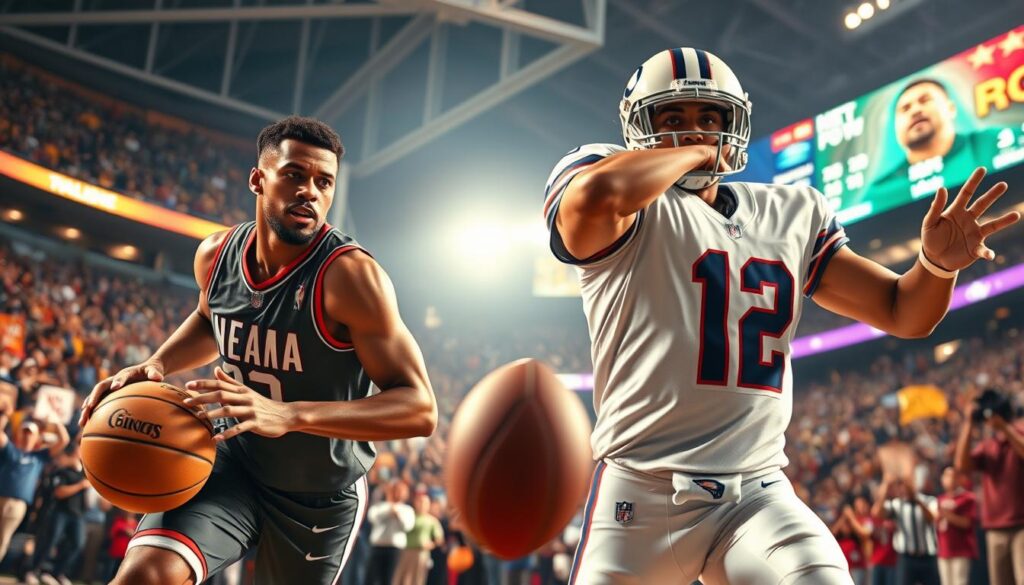
Start with a quick checklist for top player props today: injury notes, matchup context, and grid metrics. Use those items to narrow the universe of props. The goal is to find lines where cover probability and expected value point to a real edge.
Premium NBA props with high expected value
Spotlight plays include Mouhamed Gueye over 7.5 in a matchup where his role can expand if Jalen Johnson is out. Gueye has cleared the 7.5 PRA mark in 13 of 23 appearances and shows upside as a starter or key reserve. The props grid shows cover probability and expected value so you can see the modeled edge versus the market.
De’Aaron Fox over 25.5 is another premium play to consider when evaluating usage and recent form. Fox is averaging 25 points across 13 games and has scored 26-plus in seven of nine outings since Victor Wembanyama’s injury. The grid explains expected value and how to shop the best line to maximize profit.
High-volume NFL receiver props to watch
Rashee Rice props are compelling because volume matters most in receiver markets. Rice has averaged 9.8 targets in his recent sample and logged heavy red-zone usage with 17 red-zone targets since returning. High target share and red-zone work create scoring chances even against stout defenses.
When lines offer plus-money or short-juice value, weigh target volume against matchup constraints. Rice’s usage can justify wagers on receptions, target props, or anytime-score lines when the price shows expected value on the grid.
How to translate cover probability into actionable bets
Cover probability is the modeled chance a prop will cash. Expected value equals that modeled probability minus the implied sportsbook odds. Combine the two to rank bets.
- Filter by bet rating to focus on the highest-confidence plays.
- Shop lines across books to boost expected value on your ticket.
- Cross-check injuries and matchup intel from outlets like VSIN before staking size.
Apply a prop betting strategy that sizes bets by edge and confidence. Use cover probability to set a baseline stake and adjust for variance with bankroll rules. This method turns model outputs for top player props today into disciplined, repeatable actions without guesswork.
player prop report: data-driven process and tools for finding profitable lines
A clear data-driven player prop report shows how we turn numbers into betting angles. Start with model outputs, then layer context from line movement and injury updates. The goal is to find plays where the market misprices a player’s chance to exceed a prop.

Understanding the key metrics in a prop report helps prioritize bets. Expected value explained in the grid tells you which props carry a long-term edge. Cover probability guide gives the modeled chance a prop will hit, letting you weigh confidence against EV.
Bet rating combines EV, cover probability, sample size, matchup context, and variance. Use the rating to spot five-star plays that carry both value and reliability. Keep paragraphs tight so you can scan the grid quickly during morning lines and late scratches.
Understanding the key metrics in a prop report
The main columns you will see are model probability, sportsbook-implied probability, EV, and cover probability. EV equals the model’s true probability minus the implied probability from the line. Positive EV implies a theoretical profit over time.
Cover probability complements EV by showing how often the model expects the prop to cash. A high cover probability with positive EV strengthens the play. Watch sample size notes for outlier results on small samples.
Tools and models behind the picks
Prop models pull from historical player-season rates, usage profiles, minutes projections, and matchup adjustments. Models factor in pace, opponent defense, and rotation trends used by teams like the Lakers or Chiefs.
- Automated projections compare player baselines to active line and matchup.
- Ensemble systems blend multiple models to smooth variance.
- Manual overlays adjust for late injury news or unexpected role changes.
Line shopping matters when small differences change EV on counting stats. Use the odds grid to find the best available price across major books before placing a wager.
Situational adjustments and injury/inactives monitoring
Situational context shifts raw numbers into actionable leans. For NFL props, factor in game script, pace, weather, and red-zone usage. For NBA props, monitor minutes projections and likely matchups.
Timely injury updates alter minutes and usage instantly. When a starter is questionable or inactive, backup players can gain meaningful ceiling. Track team injury reports, morning skate notes, and official inactives for last-minute edges.
Rules and grading differences among sportsbooks affect expected outcomes. Know whether a book counts overtime, how it grades early exits, and which props it voids on injury. Those details change both EV and cover probability in the grid.
Conclusion
The player prop report conclusion is a clear roadmap: combine a props grid with live injury updates and matchup intelligence to find profitable bets. Focus on entries that show positive expected value, strong cover probability, and a favorable bet rating. This method turns raw numbers into actionable prop picks you can trust.
For practical prop betting takeaways, hunt late-value NBA spots when a starter’s status shifts — for example, Mouhamed Gueye drawing a potential start if Jalen Johnson sits can push a 7.5 PRA line into plus value. In the NFL, prioritize high-volume receiver props where target share and red-zone usage create scoring upside — Rashee Rice’s recent 9.8 targets per game and heavy red-zone work illustrates this approach. Use model-driven overs like De’Aaron Fox over 25.5 when usage trends and matchup weakness align.
Execution matters: shop lines across sportsbooks to secure the best price, re-check late injury and inactive reports before locking a wager, and remember EV is realized over many bets, not a single ticket. Combine grid analytics with real-time news — injuries, game-plan shifts, and matchup stories — to translate the player prop report conclusion into disciplined, data-led wagering and steady growth in returns.

