
Sharp money triggered an immediate odds collapse across major sportsbooks this morning, with prices that had held steady moving within minutes as pros attacked key numbers.
The market reaction was unmistakable: FanDuel, DraftKings, BetMGM and Caesars adjusted lines almost simultaneously after concentrated bets signaled high-confidence information. That coordinated flow — not casual public wagering — produced textbook sportsbook volatility and forced risk managers to treat the action as authoritative.
Professional bettors impact markets by waiting for confirmatory evidence — final lineups, injury clarity, or model edges — before committing large stakes. Today’s timing suggests access to such confirmation, and once initial books moved, copycat adjustments across the market accelerated the odds collapse.
With kickoff approaching, volatility is likely to stay elevated. Early value windows closed quickly, but late-stage adjustments remain possible as books rebalance exposure and monitor real-time sharp money. Continuous monitoring across multiple books is essential to spot lingering opportunities and diagnose whether moves stem from news, sharp money, or liability management.
Key Takeaways
- Sharp money produced a rapid odds collapse across major sportsbooks today.
- Professional bettors impact lines by backing positions after confirmed information.
- Risk managers treated concentrated bets as credible, prompting swift copycat moves.
- Sportsbook volatility will likely remain high through pregame and late windows.
- Monitoring multiple books helps bettors find delayed value after sharp-driven moves.
How professional bettors impact market behavior and trigger rapid odds collapse
The market reacted to a wave of late, concentrated stakes that arrived near key numbers. This pattern showed the impact of professional bettors on prices, with early movers forcing peers to reassess risk and adjust lines quickly.
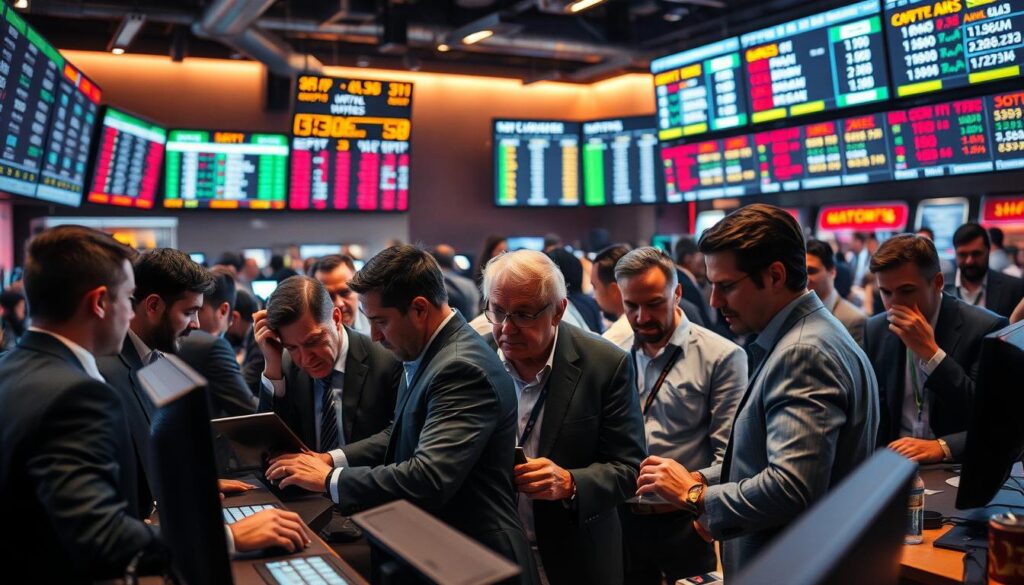
Morning prices stayed steady. Late entries arrived after lineup confirmations and injury clarity. Sharp shops placed large bets in short windows and the first books to move set off a cascade of adjustments.
What sharp money looked like today: signs and timeline
Signs of professional involvement were plain on public feeds. There were stable odds early, then a concentrated spike in stake size late. The sharp action timeline began with one or two respected books shifting price, followed by a string of near-simultaneous mirrors from others.
Data showed reverse line movement in some markets. Public percentages did not match the direction of the move, a common hint that pros had targeted the less-backed side.
Mechanisms that make sharp bets move lines fast
Books track winning profiles. When respected customers act, bookmakers treat the bets as credible. That credibility shortens response time and sharp action forces rapid vigorish and point adjustments to limit liability.
- New information: injury reports and confirmed lineups prompt large, late wagers.
- Liability management: books rebalance to avoid heavy exposure on one side.
- Copycat sportsbooks: competitors follow early movers even without taking the original bets directly.
Why timing matters: late liquidity, lineup confirmations, and model edges
Late liquidity is valuable to pros. When public action dries up and books keep markets open, a few large stakes can remove remaining value windows. That is when internal models and lineup confirmations make a difference.
Books reacted faster when data feeds showed synchronized moves. The timing suggested the wagers came after final checks and model updates, magnifying the impact of professional bettors and shortening opportunities for recreational players.
Bookmakers’ defensive strategies when faced with concentrated sharp action

When a burst of sharp money arrives late, sportsbooks move into protective mode. Traders deploy rapid vigorish management, shifting juice from -110 toward -120 to cool demand and nudge bettors to the other side. These early pricing moves aim to restore balance and blunt potential losses while traders gather more information.
Risk management teams watch market-data feeds and public odds in real time. They look for reverse line movement and synchronized shifts that suggest professional involvement. When one respected book shifts a line, copycat adjustments by rivals can trigger cascades that close value windows within minutes.
Liability control often means limiting or reducing stakes for suspected sharp accounts. Books use player-profiling and identity checks to spot accounts tied to syndicates or known winners. In extreme cases markets are closed temporarily or bets are canceled if action breaches terms and threatens outsized exposure.
Books will move spreads, totals, and moneylines to attract counteraction rather than merely deter wagering. Vigorish management works alongside price movement to change bettor incentives and steer flow. When money becomes heavily skewed, traders favor adjustments that reduce potential payout while they reassess the market.
Some operators take calculated risks by taking sharp money when it reveals superior information. Respect for established winning profiles can lead to selective acceptance of high-confidence wagers, even while liability control measures remain in place. That balance helps preserve long-term profitability.
Integrity monitoring and data-sharing partnerships support defensive tactics. Alerts from regulated operators and third-party integrity firms help teams detect concentrated sharp action and potential manipulation. Readers can learn more about how transparency and cross-market monitoring help defend legal betting here: integrity monitoring and detection.
- Adjust juice quickly to influence bettor behavior and manage risk.
- Move lines to attract balanced action and reduce concentrated liability.
- Limit or restrict accounts flagged by profiling to protect books.
- Coordinate with market intelligence to pre-empt large syndicate plays.
Defensive strategies are dynamic. Initial vigorish management and spread tweaks may be followed by account limits, market pauses, or further pricing changes as new data arrives. The goal is simple: stabilize markets and buy time to reset prices with greater certainty.
How bettors and regulators interpret the events: market implications and policy context
Sharp action that collapses lines sends a clear signal about market implications professional bettors have on price discovery. When respected money flows in, bookmakers often respond by widening juice, moving spreads, or limiting stakes. Savvy bettors should be monitoring secondary markets — alternate spreads, totals, and props — to find lingering edges after primary markets adjust, and should also pay attention to reverse line movement and betting percentages as clues to whether a move reflects sharp insight or copycat public bets.
Practical market takeaways include line-shopping across multiple sportsbooks and tracking vigorish movement to anticipate where books will next adjust. Combining betting splits, timing, juice movement, and cross-book comparisons helps interpret whether a shift stems from new information, liability management, or professional models. These tactics make monitoring secondary markets a core skill for anyone trading in fast-moving books.
Regulatory responses sports betting are moving in parallel with market change. Lawmakers in New York and New Jersey are debating in-play betting bans and microbetting legislation, and Indiana has proposed limits on college-athlete props. League steps such as Major League Baseball’s cap on pitch-level bets address manipulation risks but leave state officials like New Jersey Sen. Paul Moriarty and New York State Gaming Commission chair Brian O’Dwyer calling for broader curbs. The patchwork of state rules means operators will vary in product design and internal controls.
These shifts affect where sharp money can be placed and how books manage exposure. Higher scrutiny can reduce certain live markets or force stricter monitoring of secondary and prop markets. For deeper background on how legalization and regulation shape betting markets, see this explainer from the Journalist’s Resource: sports betting research roundup.

