
More than 40% of pre-fight wagers on UFC Vegas 112 are flowing into prop bets, according to early sportsbook data — a clear sign that fight night betting is leaning toward niche markets instead of straight moneylines.
The ESPN+ Apex card on Saturday, Dec. 13, 2025, is the last UFC APEX venue show of the year and the final ESPN+ main card before UFC moves to Paramount+. That timing, combined with a five-round flyweight headliner of Brandon Royval vs. Manel Kape, has pushed interest in MMA prop betting to the forefront.
High-profile matchups — including Giga Chikadze vs. Kevin Vallejos and Kennedy Nzechukwu vs. Marcus Buchecha — plus volatile late additions like King Green vs. Lance Gibson Jr. and Steven Asplund vs. Sean Sharaf, create the kind of uncertainty that fuels prop bets.
Sportsbooks are shaving markets and adding live props as the prelims heat up around 7 p.m. ET, with the main card slated near 10 p.m. ET. Bettors drawn to this last Apex card are using prop markets to target rounds, method of victory and fighter-specific stats, mirroring trends seen at big events like UFC 323.
Key Takeaways
- MMA prop betting is capturing the bulk of pre-fight action for UFC Vegas 112.
- Brandon Royval vs. Manel Kape as a five-round headliner increases prop market volume.
- Late card changes and notable names drive volatility and fresh wagering angles.
- The ESPN+ Apex card timing and platform shift boost fight night betting focus.
- Expect live prop adjustments and round-specific liquidity once the prelims start.
MMA prop betting drives action for UFC Vegas 112
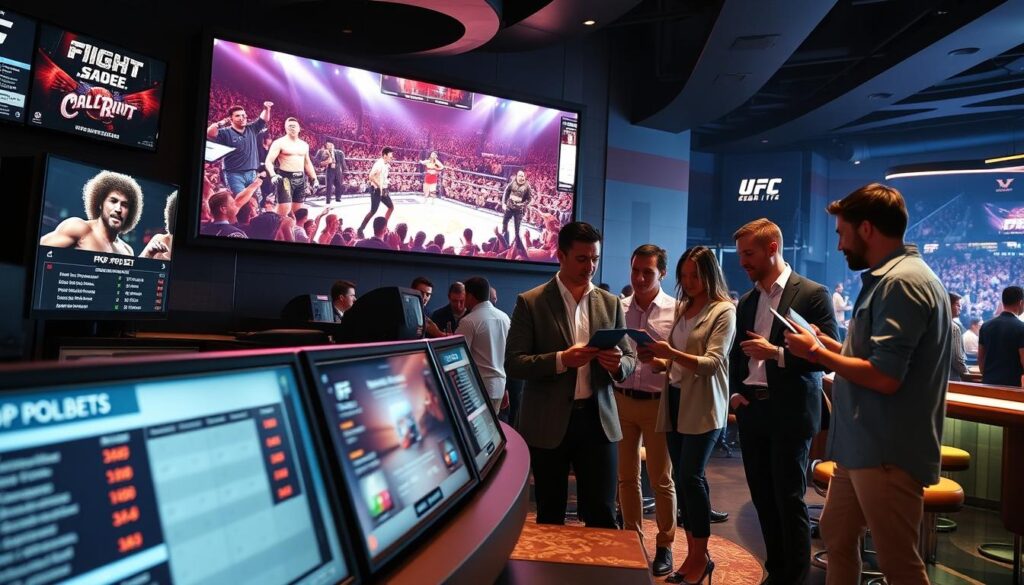
The Apex card for UFC Vegas 112 has pushed bettors toward niche markets. Prop bet popularity rises when style matchups and a five-round main event create clear paths for method wagers and round-specific plays. Betting handle on fight night props often climbs as sportsbooks expand menus to capture casual and sharp money.
Overview of prop bet popularity on fight night
High-variance fighters like Cesar Almeida and Kennedy Nzechukwu draw knockout interest. Books show fight-to-decision lines close to KO/TKO prices in some matchups, which fuels debate and volume. When a main event stretches five rounds, players lean into decision markets and long-form performance props.
Final Apex events attract extra attention from subscribers and casual fans. That lift increases prop liquidity and pushes the betting handle higher than a typical non-PPV card. Market volatility spikes with late replacements and short-notice bouts, as oddsmakers post conservative numbers until weigh-ins.
Main prop markets to watch for the card
- Method of victory props: decision versus finish in Royval vs. Kape, and KO/TKO backing for Almeida and Nzechukwu.
- Round props and round totals: under 2.5 for King Green vs. Lance Gibson Jr., under 1.5 for Sean Sharaf vs. Steven Asplund.
- Performance props: total significant strikes, takedown counts, and finish-in-round for fast starters.
- Apex card props tied to time-of-finish and exact-round markets, which swell when a fighter is known for early flurries.
How card makeup influences prop liquidity
Five-round main events create more tradable windows. Traders post longer-duration props and higher limits for rounds 4–5 finishes, which raises prop liquidity. Co-main bouts with striking artists like Giga Chikadze prompt kicking and strike-volume props, widening the available markets.
Late replacements and debuting fighters compress information. That situation often produces thin books and pockets of market inefficiency. Bettors who watch line moves can exploit shifts in betting handle as volumes concentrate close to fight time.
Moneyline examples show how lines feed prop interest: Royval +240 vs. Kape -298; Chikadze +240 vs. Vallejos -298; Cesar Almeida +180 vs. Cezary Oleksiejczuk -218; Kennedy Nzechukwu -130 vs. Marcus Buchecha +110. Those figures shape how bettors allocate bankroll across method-of-victory props, round props, and performance props.
How bettors and oddsmakers react: patterns and insights
Oddsmakers open markets by weighing fighter form and style. Early lines for recent cards showed clear favorites like Kape and Vallejos, while underdogs such as Royval or Almeida drew value on alternate markets. That opening work sets the baseline for later adjustments tied to new information.
Bettor behavior splits into two camps. Public bettors chase obvious outcomes: favorite moneylines and flashy finish props. Sharp bettors hunt edges in less obvious props and exploit mispricings. This tension between public vs. sharp money creates predictable shifts before and during a card.
Line movement often reflects where the money lands. Heavy bets on title fights or rematches can swing markets fast. Books respond when weigh-ins, medicals, or late additions like short-notice debuts change risk. Traders may limit markets to avoid late-information exposure, which pushes liquidity into remaining offers.
Patterns emerge in prop markets. Public money inflates finish props for popular fighters. Sharp action targets round totals, takedown props, and correlated lines where bookmakers disagree. Examples of divergent quotes, such as Chikadze vs. Vallejos lines across books, show opportunities for line shopping and arbitrage.
Practical tactics help bettors navigate these shifts. Shop multiple books to capture the best prices. Use correlated markets—if a fighter trails on takedowns, related round or method props often move. Pay attention to news flow; oddsmaker behavior will reflect every credible update, creating moments when public vs. sharp money reveal contrasting signals.
Traders and bettors both adapt quickly. When sportsbooks see large bets, they may adjust limits or reprice props to balance exposure. Savvy bettors who monitor bettor patterns and line movement can find edges by acting fast or waiting for official confirmations that force books to reprice.
Use matchup detail to guide selection. A grappler facing a striker shifts the value between submission and KO props. Watching stylistic clues and how markets respond gives practical insight into where oddsmaker behavior and bettor patterns intersect.
Responsible wagering and strategic tips for prop bettors
Prop betting strategy begins with clear bankroll management and disciplined limits. Treat prop markets like high-variance plays: use small, consistent stakes and never chase losses. Line shopping across multiple sportsbooks can turn a marginal edge into real value, so compare identical props before committing.
Study fighter styles, recent form, and matchup-specific angles to find mispriced props. For example, favor decision or submission props when a grappler like Matheus Nicolau faces a heavy striker, or lean toward early-round KO totals when a puncher with a high knockout rate is matched with a low-chin opponent. Correlated plays—pairing method-of-victory bets with round totals—help align risk and reward.
Monitor weigh-ins, medical news, and late scratches closely; markets can swing fast after official confirmations. Thin-liquidity props for late replacements or overseas fighters often carry wider vig and larger volatility, so size those bets accordingly. Practical on-fight-night steps include line shopping again, confirming fighter health, and adjusting stakes for three- versus five-round bouts.
Protect your wellbeing by following responsible wagering practices and using problem gambling resources if needed. U.S. bettors can call or text the National Problem Gambling Helpline at 1-800-GAMBLER for support. For a deeper primer on UFC prop mechanics and markets, see this guide on prop betting here.

