
The 2000 Guineas 2023 betting market is a focal point for U.S. and international punters looking to tackle Newmarket’s straight mile in early May. This Group 1 classic opens the British season for three-year-olds and sets the tone for the Triple Crown path, so understanding form lines and market moves is essential.
Prize-money in recent renewals has placed the winner’s share around £280,000, attracting top colts and occasional fillies carrying standard weights. That financial pull, combined with high-profile trainers and riders, makes 2000 Guineas odds 2023 among the most watched early-season prices.
This guide pulls together race previews, OLBG analyses, and major coverage to produce clear Guineas race predictions and 2000 Guineas tips. Expect a concise breakdown of market movers, value plays, and tactical angles to help shape a disciplined betting plan for Newmarket Guineas 2023.
Overview of the 2000 Guineas 2023: Race context and key storylines
The QIPCO 2000 Guineas sits at the heart of the British flat season. This classic one-mile race is run on the Newmarket Rowley Mile in early May for three-year-olds. It opens the Triple Crown series and often points the way to Royal Ascot contenders. The 2000 Guineas significance lies in its role as the season’s first major test for juvenile stars stepping up to classic company.
The straight mile at Newmarket brings its own quirks. Past winning times vary widely, from Kameko’s rapid 1:34.72 to slower renewals near 1:42.46. Such variance makes Newmarket form lines a vital guide when assessing chances. Racing fans and punters study course bias and finishing patterns as much as raw speed figures.
Two-year-old form matters here. Recent winners often carried strong juvenile credentials from Group races. Dewhurst Stakes form and other top juvenile contests provide a reliable form reference. Horses with high Racing Post Ratings and multiple starts tend to feature prominently in the betting and on the track.
Spring trials shape the picture. Key trials Greenham Stakes and the Craven often reveal horses ready for the classic one-mile race. Autumn and late-season two-year-old performances, such as the Dewhurst, commonly predict success in May.
A cluster of trainers and jockeys repeatedly shapes the renewal. Aidan O’Brien 2000 Guineas record and his habit of running several contenders make his entries essential to monitor. Charlie Appleby has supplied recent winners and remains a major influence on market moves.
Top jockeys bring a proven edge. Ryan Moore and William Buick have both ridden multiple classic winners in modern renewals. Trainer stats tied to certain yards and jockey pairings help identify patterns worth following when judging the 2000 Guineas field.
| Aspect | Why it matters | Practical signal |
|---|---|---|
| Newmarket Rowley Mile | Unique straight mile with shifting winning times | Prior strong Newmarket form lines favor contenders |
| Two-year-old form | Shows class and racecraft under top conditions | Dewhurst Stakes form and Group placings score highly |
| Key trials Greenham Stakes | Spring readiness and suitability for one mile | Good Greenham runs often precede strong Guineas runs |
| Trainer influence | Entrants from leading yards often dominate outcomes | Aidan O’Brien 2000 Guineas entries and Charlie Appleby runners merit close attention |
| Jockey trends | Top riders can extract extra performance in big fields | Ryan Moore and William Buick records add value to their rides |
| Stat patterns | Data-driven trends narrow the likely profiles of winners | Look for horses with 2–7 career runs and RPRs above recent benchmarks |
2000 guineas 2023 betting: Latest odds, market movers and value plays
The betting landscape for the 2000 Guineas 2023 odds opened sharp and busy, with bookmakers pricing in strong juveniles and trial winners. Early market snapshots. showed a mix of single-figure choices and a long tail of each-way propositions. That balance created opportunities for punters seeking value bets and long-shot strategies.
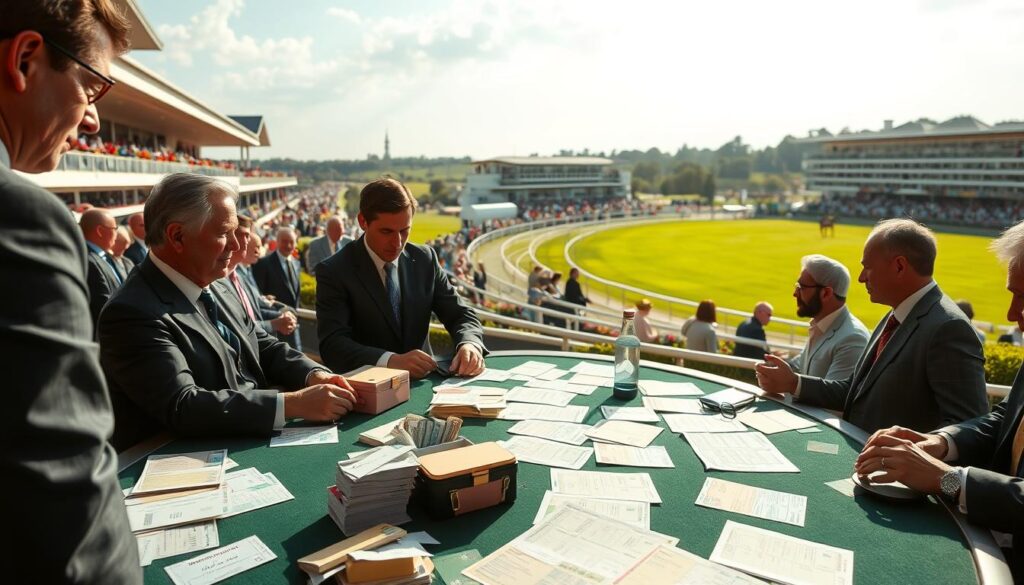
Snapshot of the betting market and favorite narratives
Markets settled quickly around familiar storylines: top juveniles from the Dewhurst and major trials, plus entries from leading stables such as Charlie Appleby and Aidan O’Brien. Betting market favorites often mirrored those seasonal patterns, with several named horses showing strong juvenile form. Market snapshots. across the bookies revealed an over-round that signaled heavy activity and tight margins for backers.
Identifying market movers and in-running considerations
Market movers 2000 Guineas commonly react to late entries, trial results from the Craven and Greenham, and jockey bookings. Odds shifts. followed confirmations, supplements and stable updates. In-running betting becomes pivotal at Newmarket due to the straight mile finish; horses with tactical speed or a sharp turn of foot can improve position rapidly in the final furlong.
Value strategies and each-way angles
Value bets tend to appear in mid-priced brackets where form suggests improvement from spring trials or proven juvenile Group form. Each-way betting 2000 Guineas can pay when fields exceed ten runners and bookmakers offer first-four terms. Target runners that have shown Newmarket form or come from trainers with strong Guineas records to maximize value bets and explore long-shot strategies when the market overlooks key positives.
| Focus | What to watch | Practical tip |
|---|---|---|
| Betting market favorites | Juvenile Group winners, top stables, Dewhurst form | Compare opening and current prices to spot early odds shifts. |
| Market movers 2000 Guineas | Late entries, trial performances, jockey bookings | Follow final declarations and trainer notes for short-term moves. |
| In-running betting | Pace setup on the Rowley Mile, finishing kick | Consider live markets for horses with proven sprint finishes. |
| Each-way betting 2000 Guineas | Field size, bookmaker terms, place depth | Favor quarter-odds first-four offers when fields exceed ten. |
| Value bets | Mid-priced runners with Group form or spring improvement | Back those with prior Newmarket form or strong trial upgrades. |
| Long-shot strategies | Outsiders showing late-season progress or overlooked trials | Allocate a small stakes portion to speculative each-way plays. |
Form guide and horse-by-horse analysis for contenders
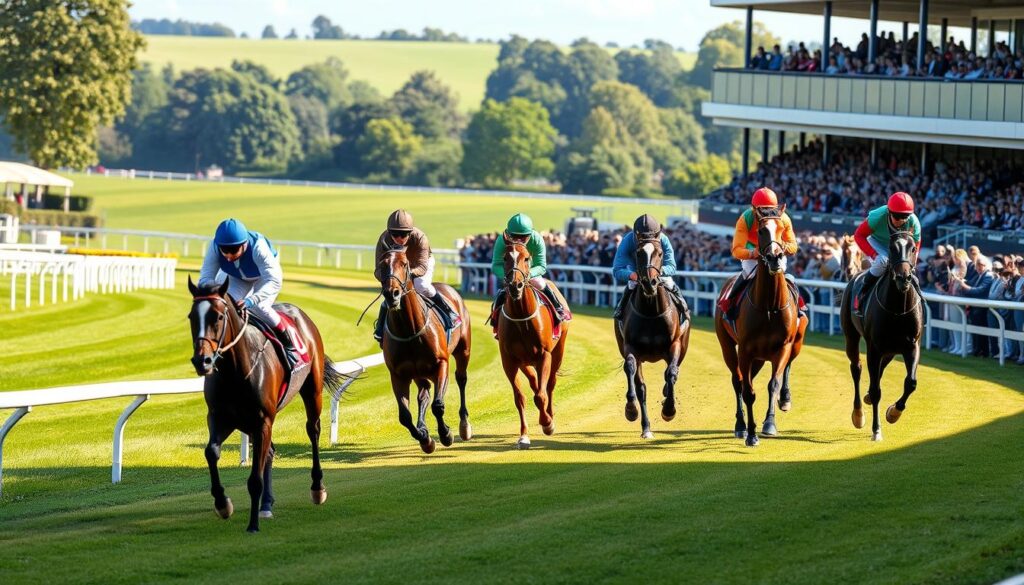
The form guide examines recent runs, ratings and trainer notes for the leading contenders 2000 Guineas 2023. Focus rests on horses with strong juvenile form or a dominant spring trial. Race-by-race profiles help spot any contrast between pure two-year-old stars and those peaking after winter work.
Leading contenders and recent form
Chaldean form stands out as an example of juvenile Group class carrying into the Guineas. Review the horse’s Racing Post ratings and best RPRs to see whether the 110+ bracket is met. Horses coming from a Greenham Stakes form. line or a Craven trial win often show tactical speed and readiness for the straight mile.
Check career runs and progression. Winners frequently have between two and seven starts, with recent peak efforts on similar ground. Timeform or high TimeScore figures within the last three runs provide a clearer signal than headline odds alone.
Dark horses and outsiders with upside
Dark horse picks often come from yards that keep their winter work private. Look for 2000 Guineas outsiders that posted strong juvenile results on soft ground or converted AW wins into turf form. All-weather winners who have improved through the winter can be viable each-way outsiders.
Pay attention to late-developers with encouraging Newmarket gallops or Meydan preparations. These profiles can produce surprise performances at double-figure odds when metrics such as TS and 7f–1m two-year-old wins line up.
Trainer and jockey pairings that matter
Trainer stats 2000 Guineas favor certain yards. O’Brien and Appleby feature prominently among recent contenders, while other trainers like Andrew Balding and Richard Hannon remain relevant for pattern form. A strong trainer record with Newmarket classics often signals a ready horse.
Jockey-trainer combinations carry weight for market movement. Bookings by leading riders, notably William Buick, can shorten prices and reflect confidence. Examine recent success rates for jockeys such as Ryan Moore and William Buick when linked to top stables.
A short table below compares representative metrics for a selection of contenders to highlight contrasts in RPR, career starts and notable trial form.
| Horse | Key Form | Best RPR (last 3) | Career Runs | Notable Trial |
|---|---|---|---|---|
| Chaldean | Juvenile Group wins and placings | 112 | 5 | Greenham Stakes form. |
| Craven-type winner | Dominant spring trial performance | 110 | 3 | Craven Stakes |
| All-weather improver | AW wins and winter progression | 105 | 4 | Meydan gallops |
| Late-developer | Limited starts, strong recent gallops | 103 | 2 | Private Newmarket work |
Use this analysis to balance favorites with 2000 Guineas outsiders and dark horse picks. Prioritize horses with strong recent metrics, credible trial form and solid jockey-trainer combinations. That approach narrows the list while preserving each-way outsiders who offer value.
Race conditions, trends and race-day tactics to inform betting
Assessing ground is vital. The ground impact Guineas can be decisive when rain is forecast. Check juvenile form on soft turf and recent efforts on Good to Soft. Trainers who target Newmarket with proven soft form deserve priority when the ground is cut up.
Positioning on the Rowley Mile matters more than a simple stall number. The draw bias Rowley Mile. is subtle, yet the long straight and undulations reward a clear run and sustained finishing speed. Horses that can secure space early reduce the risk of being boxed in.
Study raw numbers before you bet. Classic 2000 Guineas trends point toward horses carrying an RPR threshold near 105–110 across key runs. Use the RPR threshold as a screening tool to rule out those lacking class depth.
Experience counts. The career runs trend. shows most winners had between two and seven prior starts. Very green juveniles win at times, yet proven racecraft over 7f–1m and a proper trial race often separates contenders from outsiders.
Think in terms of pace. A pace scenario Newmarket with multiple front-runners sets up well for strong closers. A slower pace benefits those placed prominently with tactical speed. Match each contender’s running style to projected fractions.
Adjust tactics by profiles. Guineas race tactics favor horses that can either unleash a sharp turn of foot or sustain a long drive up the straight. Trainers who have previously prepared groups to peak at Newmarket are worth noting for tactical flexibility.
In-running opportunities are common. Monitor sectionals, jockey remarks and how the race unfolds. Smart in-running strategies let punters back deep finishers when early fractions are hot or take value if a favorite is boxed on the rail.
Practical checklist before staking: verify recent trials at Newmarket, Doncaster or the Curragh; confirm RPR and recent class; examine soft-ground form where relevant; and map likely pace scenario Newmarket. These steps sharpen selection and help shape race-day decisions.
| Factor | What to check | Betting implication |
|---|---|---|
| Ground | Good to Soft form, juvenile soft runs | Prioritize proven soft performers if rain is forecast |
| Draw/Track | Ability to secure clear running on Rowley Mile | Favor horses that handle undulation and straight mile finishes |
| Ratings | RPR threshold 105–110 in recent runs | Use as a minimum class filter |
| Experience | Career runs trend. 2–7 starts, recent 7f–1m races | Prefer those with enough racecraft and a solid trial |
| Pace | Presence of natural pace-setters | Back closers if quick early fractions; leaders if pace is slow |
| In-running | Sectionals and jockey comments | Be ready to switch strategy during the race |
Expert tips, race predictions and recommended betting plan
Start with a primary win selection based on juvenile Group form, spring trial performance and Racing Post Ratings. Prioritize a horse with an elite RPR, a strong trial win and a booked rider from the leading yards such as Aidan O’Brien, Charlie Appleby or Andrew Balding. This approach underpins clear 2000 Guineas 2023 betting tips and helps narrow choices quickly.
For Guineas predictions, back one or two each-way options priced roughly 8/1–20/1 that show proven Newmarket form or clear improvement indicators. Allocate stakes by size: about 60% of your bank to the primary win bet, 30% across two each-way punts, and reserve 10% for a speculative long-shot or in-running trade. This betting plan each-way balances value with protection.
Keep a small stake for an outsider with an AW prep, strong gallop notes or a late supplementary entry as your long-shot each-way. Use in-running rules: trade out if your selection is trapped at the furlong marker and be ready to back closers when early fractions collapse. Monitor final declarations, ground reports and jockey confirmations before placing any bets.
Apply a simple predictive framework: rank contenders by RPR and trial form, cross-check trainer Guineas records and adjust for draw and ground. For context and historical angles, see the wider race trends and data at Newmarket 2000 Guineas analysis. These steps keep your 2000 Guineas 2023 betting tips and Guineas predictions disciplined and actionable on race day.