
This guide explains Aintree betting odds and the key factors U.S. bettors should know ahead of the Grand National 2025. The Randox Grand National ran on Saturday, April 5, 2025 at Aintree Racecourse in Liverpool, with a 4:00 p.m. BST start and live coverage on ITVX and ITV1. The meeting drew around 150,000 racegoers across the three-day festival, highlighting the scale of the event and the market interest in Grand National odds.
We cover up-to-date Aintree prices, profiles of Grand National favorites, and a full 2025 runners list. The total prize pot in 2025 was £1,000,000 with £500,000 to the winner, a figure that shapes how bookmakers set markets and influences ante-post pricing.
The article is written for U.S. bettors and will demystify British odds and show how to convert them into American formats. It also points to U.S.-friendly betting sites and exchanges, and explains how weights, jockey bookings, and ground conditions move the market.
For a complete set of entries, live prices, and further context on how form from Cheltenham and the Irish National affect chances, see the dedicated Grand National runners page at Grand National runners.
aintree betting odds
This section gives a quick market read ahead of Grand National day. Use the bookmaker market snapshot below to compare early prices and spot value before the betting market shifts. Live Grand National odds can change fast, so check updates if you plan to wager.
Latest market snapshot
As of the Friday before the 2025 race, Bet365 odds listed the front runners and their prices. I Am Maximus was 6/1, Stumptown 8/1, Iroko 8/1, Hewick 10/1 and Vanillier 10/1. Other single-figure and shorter-priced chances included Minella Cocooner 12/1, Perceval Legallois 12/1 and Intense Raffles 12/1.
Mid-priced and longer prospects ranged from Kandoo Kid at 20/1 through to Nick Rockett, Grangeclare West and Minella Indo at 25/1. The outer end of the list showed horses like Fil Dor, Twig and Duffle Coat at 50/1 and Royale Pagaille, Conflated and Chantry House at 100/1. Use these aintree betting lines as a baseline when checking live Grand National odds.
How bookmakers set Grand National prices
Bookmakers convert perceived chances into odds by estimating probability and adding a margin. They weigh recent form, weight carried, jumping record and course suitability when pricing each runner.
Weather, market money and liability influence adjustments as stakes grow. Expert handicapping and inside reports can move prices quickly on big names.
Large-field handicaps like the Grand National carry more uncertainty. Bookmakers widen margins and overrounds to protect against unpredictable outcomes in such races.
Where to check live odds (US-friendly betting sites and exchanges)
U.S. bettors can monitor major operators that publish UK-style markets. Bet365 odds often reflect early market leaders. Coral posts futures and longer-term prices that can help with 2026 planning.
US betting exchanges offer another way to view market depth where available. Aggregator tools and ITV betting partners collect prices across operators, making it easier to compare aintree betting lines in one view.
Remember that live Grand National odds update up to post time. Watch multiple sources, including US betting exchanges and bookmaker feeds, to find the best price before placing a bet.
Top contenders and favorites for the Grand National
The race for Aintree centers on a few well-backed runners. Bookmakers and punters focus on recent form, weight carried, and experience over the fences. This section profiles the main names and flags several value options for race-day wagers.
I Am Maximus profile
I Am Maximus arrives as the defending champion after a memorable 2024 win. The nine-year-old carries top weight of 11st 12lb in 2025, a burden that echoes historic heavy-top-weight victories. Public backing and consistent Aintree form have kept him near the head of the market.
Stumptown odds
Stumptown has been a steady presence in big handicaps and sits close behind the favorite. Quoted around 8/1 with major firms, the gelding brings reliable jumping and recent consistent runs. Traders see him as a clear threat to the top pick.
Iroko profile
Iroko shares similar market respect and is priced about 8/1 as well. Course suitability and solid recent performances make Iroko an appealing option for those seeking a near-favorite with proven form at Aintree.
Defending champion form matters in big-field handicaps. I Am Maximus’s 2024 victory and weight placement for 2025 shape the narrative. Race reports and later analysis will detail his run and whether the weight affected his finish.
Dark horses and longshots often decide big renewals. Look for mid-priced contenders with course form or light weight who can stay and jump in a heavy field.
Several names sit further down the board but merit attention. Kandoo Kid, Meetingofthewaters, and Hyland trade around 20/1 for some bookmakers. A string of 25/1 chances includes Nick Rockett, Grangeclare West, Minella Indo, and Beauport.
Extreme outsiders complete the betting list. Royale Pagaille, Conflated, Chantry House, Idas Boy, Horantzau D’Airy, and Celebre D’Allen appear at very large prices, sometimes 100/1. Past upsets show that a longshot Grand National pick can deliver big returns when the pace, ground, and jumping line up.
Balance form analysis with price. Seek horses with course history, sound jumping, and favored weights. That method often uncovers value beyond the headline Grand National favorites.
Full runners list and declared horses at Aintree
The Grand National field list for 2025 has been finalized after the final declarations. Below is the complete 38-horse list with confirmed jockey bookings. Use this roster to cross-check betting slips and to follow late withdrawals among the Aintree declared horses.
I Am Maximus — Paul Townend
Royale Pagaille — Charlie Deutsch
Nick Rockett — Patrick Mullins
Grangeclare West — Brian Hayes
Hewick — Gavin Sheehan
Minella Indo — Rachael Blackmore
Appreciate It — Sean O’Keeffe
Minella Cocooner — Jonathan Burke
Conflated — Jordan Gainford
Stumptown — Keith Donoghue
Hitman — Freddie Gingell
Beauport — Sam Twiston-Davies
Bravemansgame — James Reveley
Chantry House — James Bowen
Threeunderthrufive — Harry Skelton
Perceval Legallois — Mark Walsh
Kandoo Kid — Harry Cobden
Iroko — Jonjo O’Neill Jr.
Intense Raffles — JJ Slevin
Senior Chief — Darragh O’Keeffe
Idas Boy — Harry Bannister
Fil Dor — Sam Ewing
Broadway Boy — Tom Bellamy
Coko Beach — Jody McGarvey
Stay Away Fay — Paul O’Brien
Meetingofthewaters — Danny Mullins
Monbeg Genius — Nick Scholfield
Vanillier — Sean Flanagan
Horantzau D’Airy — Ciaran Gethings
Hyland — Nico de Boinville
Celebre D’Allen — Micheal Nolan
Three Card Brag — Sean Bowen
Twig — Beau Morgan
Duffle Coat — Danny Gilligan
The entry list began much larger and was trimmed through the declaration stages to reach the final Grand National runners 2025. Trainers confirm jockey bookings while stewards place reserves in an ordered list. Race day will include 38 starters and any late scratchings will promote reserves from the Aintree declared horses.
Understanding entries makes betting smarter. Early entries give an idea of potential pace and stamina matchups. Declaration stages show trainer intent and fitness signals. Check official cards before staking money on the Grand National field list.
Weight and handicap marks shape the market. Top-weight I Am Maximus carries 11st 12lb, a factor that affects starting prices and in-running tactics. A late non-runner can alter the market sharply and change odds for multiple contenders.
Understanding Grand National odds formats
The Grand National uses several odds styles that U.S. bettors should know before staking a wager. British books usually post fractional odds like 6/1, while many American sportsbooks let you switch between decimal odds and moneyline formats. Learning quick conversions makes it easy to compare prices and spot value.
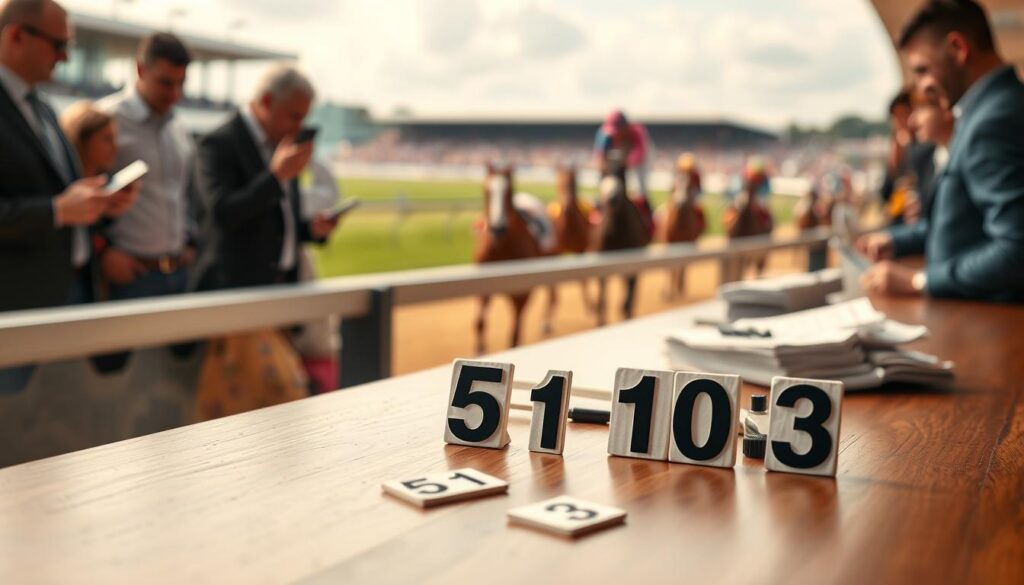
Fractional, decimal, and American moneyline explained for U.S. bettors
Fractional odds are the traditional UK format. A quote of 6/1 means you win six units for every one unit staked, plus your stake back. Bet365 and other British bookmakers commonly show favorites in fractional terms such as 6/1 or 8/1.
Decimal odds give total return per unit staked. Convert fractional to decimal by dividing the numerator by the denominator and adding one. For example, 6/1 becomes 7.00 decimal. An 8/1 price converts to 9.00 decimal.
American moneyline uses positive numbers for underdogs and negative numbers for strong favorites. To convert decimal to American when the decimal is above 2.00, subtract 1, multiply by 100, and add a plus sign. The result is easy to read on U.S. sites and on betting apps.
Converting British market odds for American audiences
Practical conversions help when you move from UK markets to U.S. sportsbooks. To convert 6/1 to American, change 6/1 into decimal as 7.00, then compute the moneyline: (7.00 − 1) × 100 = +600. That means a $100 bet would return $700 total if the selection wins.
Apply the same method to other key 2025 prices: I Am Maximus at 6/1 becomes +600. Stumptown at 8/1 converts to +800. Iroko at 8/1 is +800. Hewick listed at 10/1 transforms to +1000.
Before placing any bet, confirm your sportsbook account displays the preferred format. Pay attention to payout differences and the bookmaker’s vigorish, which affects long-term returns. Small checks prevent surprises on race day and help you compare best-price options across providers.
Bookmaker comparisons and best-price strategies
Shopping for the best price on race day begins with a plan. Use multiple sportsbooks to secure the best Grand National odds and reduce margin drag. Bet365 and Coral are two reliable names for UK markets that U.S. bettors can watch. Exchanges such as Betfair offer a different price dynamic that often reveals better value for larger stakes.
How to shop smart
Start early with futures and re-check markets closer to the race. Open accounts with regulated U.S.-facing operators that publish British markets so you can take the best price available. Use odds comparison tools to scan multiple books quickly. For big-field swings, compare exchange offers where liability-driven prices may diverge from bookmaker lines.
Best-price tactics
Hold accounts across several firms and place the stake where the price is highest. When a bookmaker posts an attractive line, lock it in. Do an odds comparison right before you bet to capture late movement. Consider Asian markets for alternative pricing patterns that can give an edge on value selections.
Using promotions and price boosts
Bookmakers often run price boosts and enhanced odds on headline races. Use these to raise expected value on single selections. Sign-up offers and free bets widen opportunity if you follow terms closely. Treat boosts as occasional value plays, not a replacement for sound selection and stake management.
Matched-betting Grand National: a cautious approach
Matched betting Grand National campaigns can convert bonuses into low-risk profit. Read every term, watch turnover requirements and respect stake limits. Keep separate bankrolls for promotional activity to avoid mixing strategies. Match responsibly to avoid account restrictions from heavy promotional use.
Responsible checks and market math
Monitor account limits and avoid chasing losses. Factor the bookmaker’s overround into any odds comparison so you compare fair-implied returns, not just raw prices. Small moves in price can matter in a 38-runner race, so steady shopping and disciplined staking often beat last-minute gambles.
Bet types relevant to the Grand National
The Grand National invites many bet styles. Big fields and jump racing change how wagers pay out. U.S. bettors should know the basics before staking money on Aintree day.
Win, each-way, place structures
A straight win bet returns a payout only if your horse finishes first. Exact staking makes this the simplest option for newcomers.
Each-way bets split your stake equally between a win and a place selection. Bookmakers often use extended place terms for large fields, which can affect value. Typical place terms Grand National might be 1/4 or 1/5 of the odds for places, with places paying to the top four or five finishers depending on the operator.
Always confirm place terms Grand National with your sportsbook before placing a wager. Payouts vary and promotions can temporarily expand place payouts beyond the usual number of finishers.
Exotics: forecasts, tricasts, exactas, and multi-bets
Forecasts and forecast tricasts demand predicting the top two or top three finishers in exact order. These markets reward accuracy with sizeable returns in large fields.
U.S. bettors will recognize exacta Grand National as the bet for the first two in exact sequence. Quinella-style bets that pay for either order are rarer at UK venues.
Multi-bets such as doubles and trebles let you combine winners from multiple races. Permutation bets increase combinations at the cost of a larger outlay. Bookmaker limits and max payout caps can affect final returns.
For a race as unpredictable as the Grand National, many U.S. bettors favor small each-way stakes or selective exotics. Conservative exotic strategies paired with strict bankroll rules help manage risk while keeping the chance of a meaningful return.
Form guides and data points that move odds
Good form guides point to a few clear indicators that shift bookmakers’ prices in the build-up to Aintree. Traders focus on recent runs, proven stamina and clear jumping at long-distance chases, and handicap marks when weighing up contenders.
Key performance indicators: recent runs, jumps experience, weight carried
Recent runs matter. Horses that have posted strong finishes over fences at similar trips draw market support in the Grand National form guide. A solid chase at Cheltenham, Carlisle, or a testing Aintree trial will shorten a price fast.
Jumps experience is priceless in a race of this scale. Proven stamina and clean jumping at big fences lift confidence among bettors and bookies. Fallers or horses with patchy jumping records often see their odds drift because risk levels rise.
Weight in the Grand National is a major factor. Handicap marks and top-weight assignments shift probability more than flat-race metrics. When a well-regarded horse carries 11st 12lb or similar, markets adjust to reflect the extra burden and the stamina test.
How trainer/jockey changes and weather affect pricing
Trainer form and high-profile jockey bookings move markets quickly. A stable in strong form or a trainer who targets Aintree with a clear plan can shorten a horse’s price in the public markets.
Jockey changes odds swing on reputation and recent success. A late switch to a rider like Paul Townend or Rachael Blackmore can prompt sharp market movement because bettors assume improved finishing power and race management.
Weather and ground conditions tilt the market toward certain profiles. Soft or heavy ground favors stayers and those with a record in testing conditions, shortening their odds. Quick ground benefits speedier types, which causes their prices to improve if rain is not forecast.
Market signals remain crucial. Significant money on a runner often indicates smart money or bookmaker liability, prompting further shortening. Use the Grand National form guide alongside public market moves to spot value and risk before placing a bet.
Historical odds trends and past winners influence
Big handicaps like Aintree show clear patterns when you track price moves over years. Early support often flows to recent champions and high-profile performers. That momentum shapes futures markets and helps explain why bettors watch trends as closely as form figures.
How past winners change expectations
I Am Maximus and Nick Rockett drew heavy attention after their wins. Bookmakers priced both into early futures after those successes, reflecting the market’s tendency to back proven course form. This effect can lift a horse’s standing months before the race.
Market mechanics and past winners betting
When a recent winner returns, bookmakers shorten prices quickly. Punters spot this move and react, creating a feedback loop. Savvy bettors weigh that popularity against factors like weight, handicapping, and season form to find value beyond headline odds.
Lessons from shock results
The Noble Yeats upset and Tiger Roll triumphs offer key takeaways for risk management. Noble Yeats won at long odds, proving outsiders can prevail when stamina and course savvy align. Tiger Roll’s back-to-back wins showed a specialist’s edge can overcome market skepticism.
Applying history to strategy
Study Grand National history to spot breeds of success: course specialists, stayers, and horses with sharp jumping records. Mix small stakes on favorites with targeted punts on well-researched outsiders. That balance helps cover swings created by unpredictable outcomes such as the Noble Yeats upset or shifts in Tiger Roll odds.
Prize money and how it impacts betting markets
The Randox Grand National purse for 2025 sets a clear financial stage for owners, trainers, and bettors. With a total prize fund of £1,000,000, the distribution draws attention to how rewards shape entries and market dynamics.
2025 prize distribution
Winner: £500,000; second: £200,000; third: £100,000; fourth: £65,000; fifth: £40,000; sixth: £30,000; seventh: £20,000; eighth: £15,000; ninth: £10,000; tenth: £5,000. This breakdown shows where most value concentrates and why top targets aim for Aintree.
How purse size affects field strength
A larger Grand National prize money draws deeper fields and encourages owners to run higher-quality horses. More entrants raise uncertainty on race day, which often widens bookmaker margins as they manage liability across a bigger market.
Market signals and promotions
High-profile entries and past winners can shift early money and futures lines. Bookmakers respond with promotions and price moves when names like I Am Maximus or Nick Rockett appear on betting sheets, boosting public interest and creating volatility in futures markets.
Aintree payouts 2025 and betting strategy
Knowing the Aintree payouts 2025 helps bettors value each-way claims and longshot stakes. Larger rewards for the top finishers change the payoff for place markets, which can alter staking plans for weekend bettors in the United States.
Futures and bookmaker margins
Futures markets price in the Randox Grand National purse and recent form when listing early contenders. Coral’s early 2026 book with many quoted runners shows how prize money feeds long-term interest and impacts how firms set margins to balance risk.
How to build a betting plan for Grand National Day
Start by setting a dedicated festival bankroll and plan stakes before markets open. A clear bankroll management horse racing approach keeps emotion out of the decisions when a 38-horse race produces rapid price moves.
Use fixed-percentage stakes such as 1–3% of the bankroll per bet. Split funds between win bets, each-way tickets, and a small pool for speculative longshots. That staking plan Grand National style limits exposure while leaving room for a few higher-reward plays.
For big-field races favor small each-way stakes across three to six selections. Back one clear favourite with a modest win stake when conviction is high. Keep exotic combinations tight because permutations expand fast and eat the bankroll.
Place early futures if odds look generous, then watch markets for chances to hedge or cash out. Late market moves often reveal sharp money and can signal true contenders shifting closer to post time.
Combine form study with timing to find value. Check recent runs, jockey and trainer notes, and weather reports. Confirm a horse’s suitability to Aintree’s fences before increasing stake size in your Grand National betting strategy.
Keep records of all bets and returns. Review what worked and adjust percentage rules in future festivals. Solid bankroll management horse racing principles improve long-term play and reduce the impact of short-term variance.
Remember that patience and discipline make a staking plan Grand National approach effective. Small, consistent stakes beat erratic, emotional wagering over time.
Legal and practical considerations for U.S. bettors
U.S. bettors who want to bet Grand National from USA should first check state rules. Some states allow wagers on international horse racing through licensed local sportsbooks. Other states limit access and require use of federally licensed or state-approved operators.
Legality US betting international horses varies by state. Bookmakers like Bet365 and Coral publish international markets but access depends on whether the operator is licensed where you live. Confirm your state’s gambling commission guidance before opening an account.
Payment options at sportsbooks differ. Common choices include debit and credit cards, PayPal, Skrill, and bank transfers. American bettors must verify that payment methods are supported for U.S. customers before funding a bet.
Expect account verification. Sportsbooks enforce KYC and age checks to meet anti-money-laundering rules. Keep a government ID and proof of address ready to speed up verification and withdrawals.
Responsible gambling tools are standard. You can set deposit limits, loss caps, and self-exclusion on major platforms. Use these features to protect your bankroll and avoid chasing losses on big events like the Grand National.
Promotions can help but read the fine print. Wagering requirements, time limits, and maximum payout caps may apply to bonuses during high-profile races. Confirm terms before claiming any offer to avoid surprises when you try to withdraw winnings.
When choosing where to bet, weigh customer support, payout speed, and accepted payment methods sportsbooks list. Those factors affect how smoothly you can manage bets and collect wins on international races from the United States.
Looking ahead: early odds and futures for next year’s Grand National
Bookmakers opened Grand National 2026 odds soon after the 2025 race, with Coral and other firms listing recent winners as early front-runners. Coral’s early 2026 market often showed Nick Rockett and I Am Maximus around 12/1 to 16/1, and at one snapshot the 2025 first and second were both quoted 16/1. That initial pricing left Iroko, Jagwar, and Myretown near 20/1 while a reduced panel of about 23 names carried odds from 16/1 out to 100/1.
Early futures Aintree markets can reveal value, but they come with risk. Horses that stay in training and have light weights usually hold appeal, so follow trainer intentions and declared targets. Remember that ratings, injuries, and retirement can reshape markets over many months, so early prices are best treated as long-term positioning rather than firm predictions.
When you track Coral 2026 Grand National lines, compare them with other books and monitor form cycles. Use the market to identify possible overlays, then watch entries, weight projections, and trials before committing stakes. For background on how markets move and key contenders, see this overview at Grand National odds and tips.