
This short introduction outlines what readers from the United States can expect from our Aintree Festival coverage. We bring together aintree betting tips and Grand National betting insight to turn expert views into clear choices for festival punters.
Sources include Racing Post, Mirror Sport, BBC, ITV, grandnational.org, The Telegraph and ESPN. Our Aintree expert tips combine aggregated tipster verdicts, bookmaker odds snapshots from Bet365 and others, racecard data and algorithmic model outputs current to April 2025.
The focus is the Randox Grand National and related races. You will see analysis of leading contenders such as I Am Maximus, Perceval Legallois, Iroko, Stumptown, Minella Cocooner, Intense Raffles, Beauport, Three Card Brag and Hewick.
Readers will get Grand National 2025 tips that cover odds context, trainer and jockey patterns, course and going implications, each-way strategies, value long-shot profiles and responsible staking. This piece aims to help you convert Aintree Festival predictions into actionable bets with clear risk controls.
Overview of the Aintree Festival and Grand National Day
The Aintree Festival spans three lively days each spring, with a packed Aintree schedule that brings racing fans together. The meeting opens on Thursday, moves to Ladies Day on Friday, and builds to Grand National Day on Saturday. Attendance tops 150,000 across the festival, creating a stadium atmosphere that fuels betting markets and media coverage.
Event dates and broadcast details
The Aintree Festival dates land in late April or early May each year; check racecards as specific calendar slots vary. Coverage for U.K. viewers appears across ITVX for the full festival, with the main Grand National broadcast shown on ITV1. U.S. viewers should research local providers and streaming services to find how to watch Grand National, since sublicensed coverage can appear on different platforms.
Why the Grand National is unique for bettors
Grand National Day timing centers on a late-afternoon feature. The Randox Grand National usually runs at about 4:00 p.m. BST, a time repeated in official schedules and press notes. That timing matters for international viewers and for last-minute market moves.
The race tests stamina over four miles, two furlongs and 74 yards with up to 38 runners. Large fields, heavy weights and demanding fences create unpredictable finishes. Handicapping, jumping reliability and weight-carrying ability all gain outsized importance compared with standard chases.
Prize money and prestige drive entries. The total purse is near £1 million, with roughly £500,000 to the winner and structured payments down to tenth place. Such rewards encourage top trainers and competitive fields, raising interest from casual punters and data-driven bettors.
Bookmakers, tipsters and algorithms react to the scale of the event. Long-shot winners like Noble Yeats and heavy favorites carrying top weights can shift markets quickly. Those dynamics make studying the Aintree schedule and the Grand National broadcast essential for anyone serious about wagering on the festival.
aintree betting tips
Expert insight helps cut through the noise on Grand National day. A clear aintree betting tips strategy begins with reading a range of sources and noting where voices match up. That gives a practical basis for decision making.
How experts’ tips converge and differ
Across outlets such as Racing Post, Mirror Sport, BBC and ITV, a group of horses appears often. Perceval Legallois, I Am Maximus, Iroko, Stumptown, Minella Cocooner, Intense Raffles, Beauport, Three Card Brag, Hewick, Threeunderthrufive and Kandoo Kid turn up regularly in aggregated picks.
Some analysts put more weight on trial form and stamina. Tom Segal and Pricewise favor Intense Raffles and Iroko for recent runs and staying power. Paul Kealy and Keith Melrose back Beauport, Kandoo Kid and Stumptown for course form and trainer confidence. David Jennings and others highlight Three Card Brag and Appreciate It for finishing ability. Mirror and BBC pieces lean toward Perceval Legallois based on current condition and stable form.
The pattern of Grand National tip divergence lies in emphasis. Experts use different filters: trial performance, BHA ratings, assigned weights and trainer trends. That creates a mix of consensus names and single-expert outsiders.
Using tips to form a personal betting plan
Start by building a shortlist of three to six horses from the tipster consensus. Use that list for primary small win stakes and to anchor your ticket choices.
Create layered coverage. Back consensus picks for wins, place or each-way on mid-priced names that appear across several sources, and hold one speculative each-way on a long shot that has at least one expert or model supporting it.
Combine expert tips comparison with market moves. Track late odds shifts, jockey declarations and trainer confirmations. Treat tipster consensus as a weighting tool rather than the sole decision driver.
For risk control, size stakes to bankroll rules and split exposure across the shortlist. This approach to creating a betting plan keeps bets disciplined while capturing value from differing opinions.
Top favorites and market movers to watch
The Grand National favorites are shaping up early, with a cluster of proven chasers near the head of the betting. I Am Maximus stands out as the defending champion with clear Aintree form and eye-catching racecraft. Stumptown and Iroko carry strong staying claims, while Perceval Legallois and Minella Cocooner look well placed for the unique demands of Aintree fences.
Leading contenders and why they figure
I Am Maximus has won under top weight and stays well over the National trip, which keeps I Am Maximus odds under close watch among bookmakers and punters. Perceval Legallois arrives in form from Gavin Cromwell’s yard and earned praise for timing and stamina in a key trial. Iroko attracts multiple tipster endorsements for jumping consistency and recent form. Stumptown is noted for staying power and solid technique over big fences.
Vanillier and Minella Cocooner each have profiles suited to firmer ground and strong handicap form. Intense Raffles, Beauport and Three Card Brag bring place prospects at bigger prices if the pace and ground suit their styles. For daily tracking of bettors’ moves, consult the updated list of Aintree market movers at market movers.
Odds snapshot and shifts before race day
A current betting odds snapshot shows a spread from short-priced contenders to long-shot outsiders. Bet365 pricing has I Am Maximus near the head of the market at about 6/1, with Stumptown and Iroko around 8/1 and several runners in the 10s and 12s. That snapshot changes as jockey bookings, declarations and ground updates arrive.
Watch for market shifts Grand National when late confirmations appear. A notable example is jockey switches such as Paul Townend backing a single, or trainer decisions that nudge money toward a selection. Algorithm-driven projections can alter exchange prices and press coverage, creating fresh Aintree market movers in the hours before the off.
For practical play, compare tote movement and bookie prices on race morning to spot where informed money lands. Short-term swings often reveal the clearest signals about which horses attract support and which odds, like I Am Maximus odds, tighten as the race approaches.
Each-way strategies for large-field handicap chases
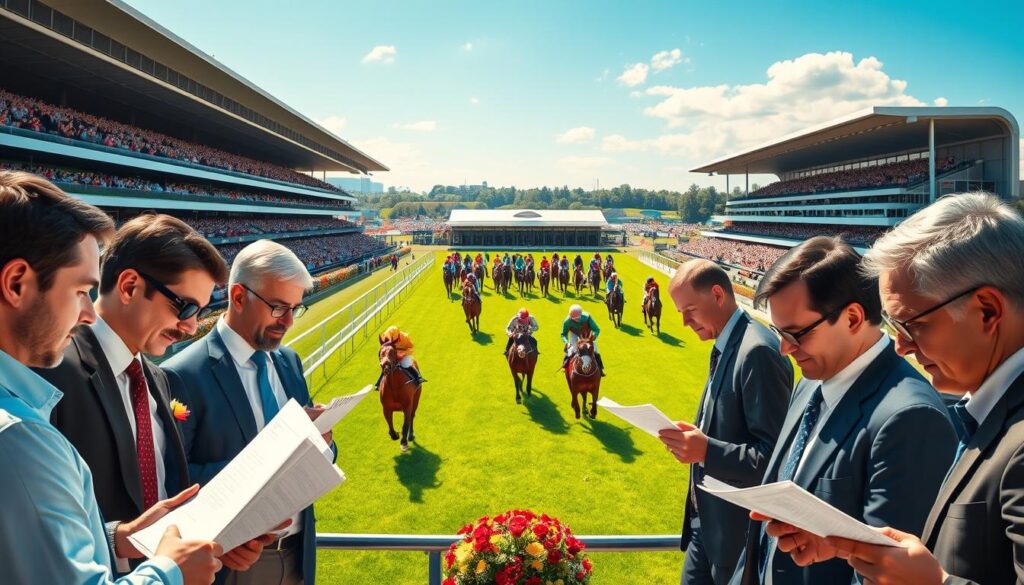
In large-field handicap betting, each-way bets become a core tool for managing risk and chasing steady returns. The Grand National’s depth and unpredictable finishes make an each-way strategy Grand National especially useful for mid-priced runners with strong staying form.
When to lean on each-way betting Aintree: choose horses that show recent stamina, consistent long-distance placings, and experienced jockey-trainer pairs. These selections often sit in the 20/1–50/1 bracket and offer a realistic chance of a place without needing to win outright.
Value criteria for place bets: prioritize proven stamina, finishing power over three miles plus, and clean jumping at fences. Riders like Keith Donoghue and Mark Walsh have produced strong rides on staying types; combine that insight with course form to refine picks.
Stake sizing each-way: protect your bankroll with measured stakes. A typical approach is 1–3% of the festival bankroll per each-way pick, with the place amount set at half the total stake. For speculative outsiders, reduce to 0.5–1% to limit downside while retaining upside on a surprise placing.
Payout expectations: understand terms before staking. At common 1/4 each-way terms for 1–4 places, a 25/1 shot pays 25/4 (6.25x) on the place portion. Place returns in large-field handicap betting are more frequent than wins, so model bets around modest, steady gains rather than huge jackpots.
Hedging and cover: blend bookmaker each-ways with targeted exchange lays if the market moves favorably in-play. Avoid loading accumulators with many large-field selections; the volatility of big handicaps can quickly erode an accumulator’s value.
Value picks and long-shot candidates backed by tipsters
Tipsters and models often single out a small group of runners that combine stamina, jumping fluency, and trainer form. These profiles help spot value picks Aintree punters can consider when building speculative tickets.
Smart long-shot profiles usually show recent strong efforts over extended trips or solid placings in Cheltenham or Aintree trials. Trainers such as Gavin Cromwell, Gordon Elliott, and Willie Mullins often appear in previews, bringing credibility to under-the-radar entries.
Horses with tidy jumping, proven staying power, and a positive market move make sensible outsiders to back. A tipster long-shot recommendation gains weight when a jockey with National experience is booked or when stable form is on the rise.
When to back an outsider: back only when multiple signals align. Look for corroboration from at least one trusted pundit or algorithm, favorable going, and no worrying fitness notes. Generous odds like 50/1 or longer can justify a small speculative stake if place terms seem realistic.
Do not chase pure sentiment. Avoid long shots with clear jumping issues, unknown stamina at four miles, or recent layoffs with no trial run. Even a strong name or hype cannot replace evidence from form and trainer reports.
Practical staking: allocate a modest slice of your bankroll to one or two tipster long-shot recommendations. Use each-way or small win bets to limit downside while keeping upside from grand National long shots on the card.
Apply this approach to filter value picks Aintree readers see across previews. That keeps the ticket balanced and gives room for a surprise without risking core stakes on rank outsiders.
Trainer and jockey trends that shape odds
The run-up to Aintree brings clear patterns that influence market prices. Punters watch recent strike-rates, festival form and high-profile bookings. Trainer reputations and jockey choices combine to shift odds before race day, shaping where value may appear.
Gavin Cromwell has drawn attention with a strong season, sending out Perceval Legallois, Stumptown and Vanillier. Cromwell’s runners earned endorsements from broadcasters and analysts, which shortened early prices and fed trainer form betting patterns.
Gordon Elliott and Willie Mullins remain influences at big festivals. Thomas Gibney and Nigel Twiston-Davies can also move the market when their horses show recent target runs. Stable partnerships, such as those with Oliver Greenall and Josh Guerriero, add depth to assessments of form and likely performance.
Jockeys with National experience
Experience over Aintree fences counts when judging pace and jumping under pressure. Paul Townend’s ride on I Am Maximus and Mark Walsh aboard Perceval Legallois have been cited as confidence boosters by tipsters. Riders like Keith Donoghue, Jonjo O’Neill Jr, Sam Twiston-Davies and Sean Bowen bring proven skills that affect short-term market moves.
Other names linked to Grand National rides include JJ Slevin, Jonathan Burke and riders who carry a history at the Festival. Bookings by established jockeys often tighten odds, reflecting bettors’ preference for familiarity and jockey National experience when stakes rise.
How to use these trends in practice: weight trainer strike-rates over long distances more heavily, note jockey familiarity with Aintree, then adjust stakes. Combining trainer form betting with assessments of jockeys Grand National record makes for a clearer, evidence-based approach to building stakes.
Course form, ground conditions and their betting impact
The Grand National tests horses over a long trip and a unique fence layout. Studying course form Grand National gives punters a clearer edge when weighing entries. Small shifts in the Aintree going can change which types of runners look best on the day.
How going influences favorability
Firm or good ground tends to reward younger, quicker horses with sharp jumping. Trainers will note preferences, and tipsters will adjust selections when markets react to the forecast. Names such as Vanillier have been highlighted for improved form on better ground.
Soft or heavy conditions favor proven stayers with staying power. Horses that have handled testing underfoot in previous long handicaps rise in appeal when the ground is deep. Bettors who follow how ground affects betting can spot value swings before odds settle.
Assessing stamina and jumping for Aintree fences
Focus on stamina Grand National by checking past runs over three miles or more and strong finishes in long handicaps. Horses like Perceval Legallois and Iroko have been noted for staying ability and clean rounds over large obstacles.
Look for a tidy jumping record at big fences and low incident counts. Aintree fences jumping is a different test than smaller tracks, so trial form in National-style contests and trainer comments about schooling matter when assessing risk.
Age and weight remain vital metrics. Younger horses can bring speed but might lack experience over the demanding course. High-weighted, proven types such as I Am Maximus can carry class if built to stay and jump for the full distance.
Practical analysis includes past three-plus mile performances, number of jumping errors, and finishing form at the end of races. Combine those markers with up-to-date information on Aintree going to refine stakes and selections ahead of race day.
Using aggregates of tipster picks and algorithmic models

Begin by framing tipster consensus Grand National coverage as a blend of human judgment and numeric scoring. Tipsters often highlight the same handful of horses, giving a useful starting list. Algorithmic predictions add a second view that weights form, pedigree, and race history.
What the experts agree on
Across outlets, many tipsters place Perceval Legallois, Iroko, and I Am Maximus high on their boards. Stumptown, Minella Cocooner, Intense Raffles, and Beauport also appear frequently in tip sheets. This expert agreement Aintree pattern helps identify a core group to follow when creating a shortlist.
Where tipsters diverge, look for reasons. Some pundits favor Beauport and Kandoo Kid for recent form. Others back Three Card Brag or long-shot Fil Dor based on past distance runs. Mark these split choices as candidates for selective stakes or smaller each-way plays.
Role of data models and supercomputers
Numeric models use inputs that differ from pundit intuition. The grandnational.org supercomputer applies decades of winner data, age, origin, trainer patterns, and four-mile race records to rank contenders. In 2025 its top picks included Intense Raffles and Iroko, offering a contrast to some human lists.
Treat algorithmic predictions as quantitative signals you can score. When a horse ranks highly with both tipsters and models, assign it greater weight. When only one source favors it, reduce the stake or limit exposure.
A practical aggregation method
Use a simple points system to merge expert lists and model output. Give 2 points for each expert mention and 3 points if a horse appears in the model top five. Sum scores to create a ranked shortlist for bet allocation.
This combined approach turns tipster consensus Grand National chatter and algorithmic predictions into an actionable framework. It clarifies where expert agreement Aintree exists and where numerical modeling shifts perspective for smarter stake decisions.
Racecard analysis: key races and contenders to study
Start your Aintree racecard analysis with a clear checklist. Scan the Grand National racecard for declared runners, weights, recent trips and jockey bookings. Note horses with proven stamina, strong recent finishes and reliable jumping under pressure.
Focus on the big clues from National trial races and long-distance handicaps. Winning or placed efforts in the Becher Chase, Grand Sefton or other staying handicaps show the kind of form that can translate to Aintree. Look for names that handled heavy ground and stayed on strongly at the line.
Racecard highlights should flag course form and recent targets. For 2025, the full runners list includes I Am Maximus, Royale Pagaille, Nick Rockett, Grangeclare West, Hewick, Minella Indo, Appreciate It, Minella Cocooner and others up to a large field. Pay attention to horses coming from graded staying chases and those with recent sharp performances.
When reading form lines, check finishing positions, margins, race class and the weight carried. A string of solid efforts over three miles or more is more valuable than a single flash in a shorter race. Recent wins over long trips point to peak fitness. Watch for horses like Perceval Legallois who have shown form in staying handicaps.
Factor in jockey and trainer notes. Jockeys with Aintree or Grand National experience can steer a big-field gamble more safely. Trainer comments on fitness and race tactics give context to the numbers on the racecard. Use declarations and stable updates when weighing each runner.
Build a simple form checklist: last three to five runs, weights compared with those runs, ground in those races and evidence of staying power late in long-distance contests. Mark any falling or jumping issues as red flags when compiling your racecard highlights.
For deeper angles and curated tips that tie into this Aintree racecard analysis, consult the Grand National previews and tip pages such as the guide at OLBG Aintree tips. Use that information alongside your reading form lines work to narrow contenders and spot value from National trial races.
Betting markets to consider beyond the win
Big races invite big markets. Exploring options beyond a straight win helps manage risk and spot value across Grand National betting markets. Use a mix of place alternatives, short-priced selections, and targeted novelty bets to spread exposure on a hectic race day.
Place markets, forecast, and tricast approaches
In a 38-runner handicap, place bets Aintree often offer the best compromise between chance and return. Bookmakers may extend place terms to 1–4 or 1–5, which boosts the appeal of mid-priced runners for a modest stake.
Forecast and tricast strategies deliver high payouts when you can narrow the field. Use forecast tricast strategies only for small stakes unless a clear top-two or top-three emerges from form, market moves, and tipster consensus.
Keep forecasts focused on horses with proven stamina and jumping. Tricasts suit bettors confident in a tight shortlist. Treat both markets as low-probability, high-reward plays and size stakes accordingly.
Accumulator plans for the festival
Festival accumulator tips favor either conservative multi-race bets or one risky leg combined with safer choices. Combining one Grand National each-way selection with solid winners earlier in the card can lift returns while limiting overall risk.
Short-priced favorites across several races form the least risky accumulators. Risk rises with each added leg. Use smaller stakes on long-shot accumulators, and check bookmaker promos before committing funds.
Consider each-way alternatives to outright win bets when value exists. Diversifying between place bets Aintree and modest accumulators creates a balanced festival plan that targets steady returns without overcommitting on any single outcome.
Responsible betting and bankroll management for festival punters
Racing festivals bring energy and temptation. A clear plan helps you enjoy the action without risking more than you can afford. Use straightforward rules to keep play sustainable over the long weekend.
Bankroll management festival begins with a fixed pot for all bets. Decide on a total festival bankroll up front and treat it as entertainment money. Common guidance is to stake between 1–5% of that bankroll per bet based on confidence. For speculative long-shots use 0.5–1%. For higher-confidence, short-odds wagers you might move toward 3%.
Set practical betting limits Aintree day by day. Predefine a maximum daily loss, a cap on the number of bets you will place, and a maximum single-bet size. Avoid chasing losses after a losing run. Keep your festival staking plan separate from essential funds like bills or rent.
Track bets in a simple ledger. Note stake, market, odds and outcome after each race. This record helps you monitor ROI across the festival and spot risky patterns. Regular review lets you tighten or loosen stakes based on real results, not emotion.
Take advantage of safe gambling resources offered by bookmakers. Tools include deposit limits, time-outs, and self-exclusion options. For broader help, U.S. bettors can contact the National Council on Problem Gambling or state helplines. In the UK, GamCare and GambleAware provide support.
Promotional offers can inflate stakes if you’re not careful. Read terms and conditions before using free bets and bonuses, since wagering rules may limit value. Use promotions strategically and never treat them as extra bankroll.
Keep entertainment separate from essentials. When the plan is clear, the festival stays fun and responsible.
How to turn expert predictions into an actionable bet plan
Start by aggregating tips from pundits and models to build a 4–6 horse shortlist. Combine consensus names such as Perceval Legallois, I Am Maximus, Iroko, Stumptown, Minella Cocooner, and Intense Raffles with algorithmic top picks and your own read of the going. This creates a focused foundation for an actionable bet plan Grand National bettors can follow.
Next, allocate stakes by confidence tier. Give high-confidence picks (consensus plus model alignment) 2–3% of your bankroll as win bets. Assign medium-confidence horses 1% each-way. Reserve 0.5% each-way for one speculative long-shot supported by a single credible tip. This Aintree betting strategy balances risk and upside across the festival betting plan.
Choose markets to match conviction. Use straight wins on top-tier selections, each-way on mid-priced contenders, and a small each-way on the long-shot. Add a modest forecast or tricast only if you are confident in the top two or three combinations. Monitor market moves and late information—jockey changes, withdrawals, or sharp odds shifts—and reweight stakes when warranted.
Finish with clear bankroll and exit rules. Predefine maximum loss limits, profit-taking thresholds, and whether to hedge in-running if a placed finish looks likely. Before committing funds, confirm declared runners, official going, and bookmaker place terms. Use expert predictions as a compass to turn tips into bets, blending tipster views, model outputs, and your independent assessment into a practical Aintree betting strategy for the Grand National.