
Royal Ascot is a five-day June festival at Ascot Racecourse that draws top jockeys, elite thoroughbreds, and royal attendance. For U.S. bettors, this event stands out for its variety of races—from sharp sprints to grueling distance tests—and the intense market activity that follows each card.
This Royal Ascot guide explains why Ascot odds move quickly and how competition among bookmakers creates chances for value. Millions are staked across the festival, which fuels attractive festival betting offers and frequent price boosts from firms like Bet365 and William Hill.
Use this introduction to frame your approach: learn core markets, read starting prices versus early prices, and focus on key races such as the Ascot Gold Cup, St James’s Palace Stakes, and Diamond Jubilee Stakes. Solid Ascot betting tips start with race type, horse form, and trainer-jockey patterns tailored to Ascot’s course and conditions.
Overview of Royal Ascot and Why It Matters for Bettors
Royal Ascot is an annual five-day meeting at Ascot Racecourse that draws global attention. This Royal Ascot overview explains the event’s scale, the mix of sprint and staying tests, and how classification by distance, surface, and age shapes betting strategy.
The question when is Royal Ascot matters to every punter. For 2025, the Ascot festival dates run June 17–21. Those dates create a packed schedule with more races than many other meetings, producing extra wagering chances across the week.
Bookmakers sharpen offers during the festival because millions change hands daily. This explains why bet Royal Ascot attracts so many casual and professional bettors. Heavy volume fuels competitive markets and frequent promotions from major firms like Bet365 and William Hill.
Why the event sends betting activity surging
Royal attendance and pageantry boost visibility. Media coverage, high-profile owners, and standout horses mean markets move fast. Bettors must follow entries and form to stay ahead of shifting prices.
Ascot key races to watch
The Ascot Gold Cup sits at the top for staying specialists. The St James’s Palace Stakes targets elite three-year-old milers. The Diamond Jubilee offers a fast test for sprinters and milers. Each race has distinct form angles, jockey pairings, and tactical variables that affect odds.
| Race | Type | Primary Betting Angles |
|---|---|---|
| Ascot Gold Cup | Stayer, long distance | Stamina form, recent long-distance runs, trainer with staying record |
| St James’s Palace Stakes | Mile for three-year-olds | Two-year-old form, Classic trial results, jockey-trainer combos |
| Diamond Jubilee | Sprint/middle distance | Turn of foot, draw bias, proven Group-level speed |
betting ascot: Core Markets and How They Work
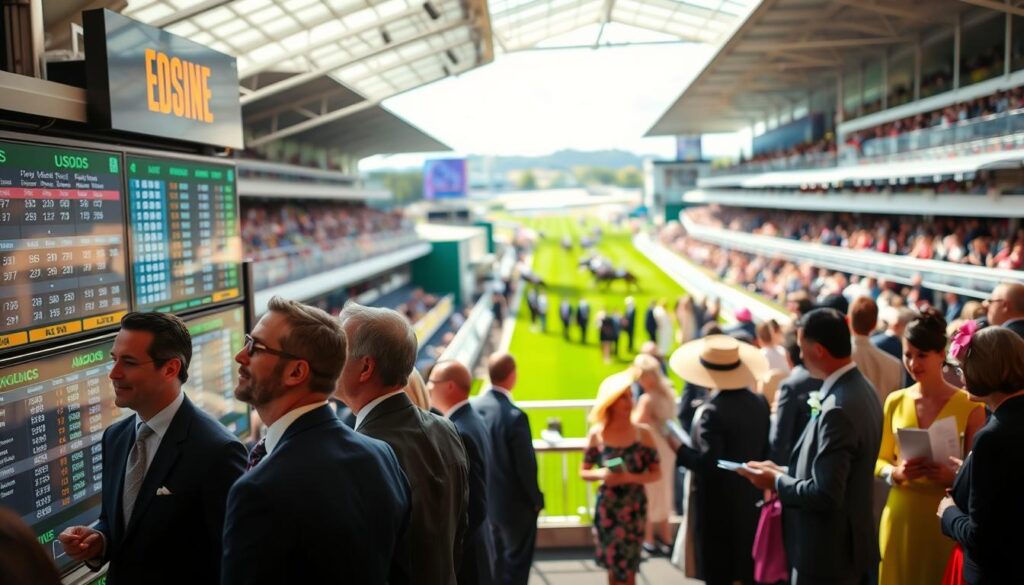
Royal Ascot offers a compact set of bet types that cover single races and festival-wide outcomes. Understanding standard markets helps you pick the right stake and manage risk across five days.
Win, place, and each-way explained
The win market asks you to name the race winner. Place bets cover a horse finishing in the paid positions set by the bookmaker. Each-way Ascot bets combine a win and a place stake in one ticket. Place terms change with field size and race grade. Use calculators for returns and to handle dead-heat rules when payouts split.
Forecasts, tricasts, and combination bets
Forecasts and tricasts demand predicting finishing order. A forecast requires the first two in order or as a combination, while a tricast needs the top three. These markets carry higher odds and bigger potential returns. Combination bets let you cover multiple permutations, which raises cost but reduces the chance of missing a boxed finish.
Festival markets: top jockey, top trainer, and overall specials
Festival markets extend beyond single races. The top jockey market and the top trainer market track wins across all Royal Ascot races. Punters back leading names like Frankie Dettori or Aidan O’Brien when patterns favor them. Specials include stable-based or country-of-origin competitions that add variety to betting strategies.
| Market | What you pick | Risk | Typical payout |
|---|---|---|---|
| Win | Race winner | Medium | Odds for single horse |
| Place | Horse finishes in paid places | Low | Smaller returns than win |
| Each-way Ascot | Win and place combined | Low to medium | Two-part payout if placed |
| Forecasts and tricasts | Top two or three in order | High | Large returns for correct order |
| Top jockey market | Jockey with most wins | Medium | Pays across festival results |
| Top trainer market | Trainer with most wins | Medium | Reflects stable success over five days |
Understanding Odds at Ascot: Reading Prices and Value
Prices at Royal Ascot move fast and small edges change returns. A clear grasp of Ascot odds explained helps you make smarter choices when markets shift over five days. Start with the basic split between official and early price markets to frame your approach.
Starting Prices (SP) vs. early prices
The Starting Price is the official market price when the stalls open. Bookmakers publish early prices well before that point. Knowing SP vs early prices lets you decide when to lock in odds or wait for potential improvements.
Early prices can be better or worse than SP. Use early prices to secure a known return on an each-way bet. Use SP if you expect late money to push a horse shorter or longer than earlier listings.
How bookmakers set odds during a five-day festival
Bookmakers factor form, jockey and trainer records, track conditions, and the balance of bets when they set odds. Large festivals like Royal Ascot amplify market moves when big stakes shift sentiment across many accounts.
Promotions and price boosts appear often during the card. These offers change implied probabilities and create timing decisions for bettors who watch market variance closely.
Identifying value bets and spotting underpriced runners
Value betting Ascot means comparing bookmaker odds with your estimated chance of a horse winning. Build simple models from recent form, trainer trends, and jockey success to spot gaps between market price and true probability.
To identify underpriced horses look for rivals with improving form, favorable ground shifts, or elite trainer patterns that the market has not fully priced. Expert commentary and late rain forecasts can reveal overlooked chances.
| Concept | What to watch | Practical tip |
|---|---|---|
| SP vs early prices | Official start price versus earlier bookmaker odds | Lock early if odds are attractive; take SP if you expect late support |
| How bookmakers set odds | Form, trainers, jockeys, volume, promotions | Track market moves across multiple firms to read consensus |
| Value betting Ascot | Compare your probability model to market odds | Stake proportionally when value is clear and repeatable |
| Identify underpriced horses | Improving form, course stats, weather shift | Flag candidates early and monitor price drift for confirmation |
Form, Trainers, and Jockeys: Data-Driven Tips for Better Picks
Start with a focused Ascot form guide when you scan entries. Look at recent finishing positions, the class of rivals faced, and the distances run. Time since the last run reveals whether a horse is fresh or may need a comeback race to reach peak speed.
To accurately assess horse fitness, track consistency across three to five races. Pay attention to seasonal patterns, such as spring targets or late-season preparations. A string of close finishes at similar trip lengths often signals genuine race rhythm.
Trainer records can point to festival targets and preparation methods. Review trainer stats Ascot for patterns like short-term improvement, frequency of entries at the meeting, and horses aimed at specific Ascot races. Trainers who place multiple runners at the festival tend to have refined plans.
Some trainers tailor campaigns to Ascot’s pace and undulations. Compare entry histories and note which stables send horses up in grade with positive results. That detail helps you separate one-off winners from those likely to handle the track’s unique demands.
Jockey performance Ascot is critical when margins are tight. Study strike rates, recent rides, and how often a jockey teams with a particular trainer. Strong partnerships deliver tactical advantages in positioning and finishing speed.
Value emerges when a jockey steps into a familiar stable pattern or when a top jockey takes an inexperienced mount with clear upside. Market moves before race day often reflect these shifts, so weigh them against raw form data.
Use data-driven betting tips by combining the form, trainer trends, and jockey stats into a simple scorecard. Assign points for recent wins, trainer festival success, and jockey–trainer combinations. Rank runners by total score to reduce bias and sharpen selections.
Digital tools like Outplayed Pro’s Lucky Finder speed up the process across five days of racing. They help filter through fields, flag extra-place opportunities, and surface patterns you might miss when reviewing paper form alone.
| Focus | Key Metrics | Why It Matters at Ascot |
|---|---|---|
| Recent Form | Finishing positions, class, distances | Indicates current ability and suitability for Ascot trips |
| Fitness | Days since last run, consistency, seasonal preparation | Reveals race rhythm and likelihood to improve or regress |
| Trainer Patterns | trainer stats Ascot, festival entries, target races | Shows which stables prepare specifically for Ascot conditions |
| Jockey Data | jockey performance Ascot, strike rate, trainer links | Highlights tactical skill and trusted partnerships on day |
| Data Tools | Extra-place filters, Lucky Finder outputs | Speeds analysis and helps apply data-driven betting tips |
Track Conditions, Weather, and Their Impact on Bets
Reading Ascot track conditions before placing a wager can change how you size up each race. Turf good soft heavy categories shape pace, stamina, and which runners look strongest. A clear plan that ties form lines to likely going limits surprises and improves the chance of finding value.
How ground like good, soft, or heavy alters race outcomes
Firm ground favors speedier types that quicken late. Soft or heavy going tends to favor stayers and horses with proven action in testing turf. Track biases show up at Ascot, where a switch from turf good to soft can turn a market on its head.
Reading forecasts for a smarter race-day weather strategy
Check multiple weather services the day before and early on race day. Sudden rain pushes markets and creates chances when bookmakers lag. A clear race-day weather strategy includes contingency plans for softening ground and identifies likely pace changes under wet conditions.
Spotting runners with reliable wet vs dry form
Study a horse’s history on similar going. Some performers, like those from yard patterns of Aidan O’Brien or connections known for targeting soft races, show consistent wet form. Betting on horses with documented success in heavy or soft turf reduces guesswork when rain arrives.
Festival Offers and Promotions: Best Types to Target
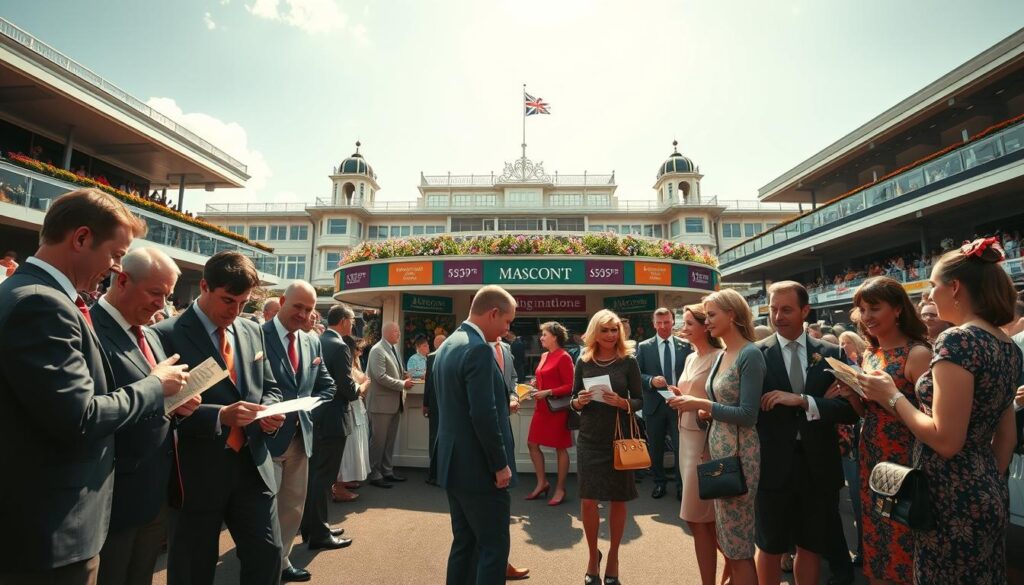
Royal Ascot brings a high volume of promotions from major bookmakers such as Bet365, William Hill, and FanDuel. These Ascot betting offers change daily during the five-day meeting. Read terms closely so you know wagering requirements, time limits, and race restrictions before claiming any prize.
Sign-up bonuses Ascot often include free bet credits or matched deposit offers. New customers can use these to try markets without risking a full stake. Always compare the value of a matched deposit versus a free bet credit to choose the best deal.
Extra places Ascot are common on large fields. Expanding the paid places in each-way markets increases expected returns for each-way punters. Shop around for offers that push place terms from two to four places on key handicaps.
Best odds guaranteed is a staple for many races at Ascot. That promise ensures you get the higher of early price or starting price. Seek out firms that pair BOG with odds boosts to maximize returns on single bets.
Odds boosts raise potential payouts on selected markets and horses during the festival. Use boosted prices selectively, weighing the new payout against the true value of the runner and field composition.
Betting refunds and money-back specials reduce downside in clear scenarios like non-completions or narrow defeats. Refunds can arrive as cash or free bets. These offers work well with matched-betting workflows to lock in a low-risk gain.
Reloads appear across Royal Ascot: extra places, price boosts, and targeted refund promos recur through the week. Track the best offers and align them with your staking plan to extract value from both short-term boosts and longer-term sign-up bonuses Ascot provides.
| Offer Type | Typical Benefit | Best Use |
|---|---|---|
| Sign-up bonuses Ascot | Free bet credits or matched deposits for new accounts | Funding an initial matched bet or testing markets with low risk |
| Extra places Ascot | More paid positions in each-way markets | Use on large handicaps to improve each-way value |
| Best odds guaranteed | Higher of early price or SP paid out | Back early prices without fear of losing better returns at SP |
| Odds boosts | Enhanced prices for selected horses or markets | Target for singles where boosted payout exceeds expected value |
| Betting refunds | Stake returned for specific non-win outcomes | Pair with matched betting or hedge stakes to limit losses |
Matched Betting at Royal Ascot: Step-by-Step Opportunities
Royal Ascot’s five-day festival creates a steady flow of bookmaker promotions that suit matched bettors. Use a planned approach to capture sign-up offers, extra places, and price boosts across multiple bookmakers. An Ascot matched betting guide will help you spot the most lucrative offers and avoid costly mistakes.
Why Ascot works for matched bettors
Heavy betting volume during Royal Ascot means many reload offers appear. Extra place promotions and refunds on certain race outcomes give repeated opportunities to convert free bets into cash. Festivals like this let you stack offers across days and lock in steady returns with matched betting Ascot strategies.
How to qualify for offers and use exchanges
Start by registering accounts with bookmakers offering sign-up bonuses and with a betting exchange such as Betfair. Place the qualifying bet required to trigger a free bet, then use the exchange to lay the same selection. Learning how to lay bets correctly prevents gaps in coverage and reduces exposure.
Using calculators and tools to lock in profit
Matched betting calculators take bookmaker odds, free bet value, and exchange commission to produce exact lay stakes. Tools from services like OddsMonkey speed this process and cut human error. Refer to an Ascot matched betting guide for step-by-step video tutorials and worked examples.
Bankroll management and tracking
Preload funds across several bookmaker accounts and the exchange to avoid delays. Keep a spreadsheet or use a tracking tool to record qualifying bets, free-bet redemptions, and net profit. Maintaining a clear bankroll for matched betting prevents overdrafts and helps scale activity across the festival.
Small, consistent moves win at Ascot. Use matched betting calculators before each trade, practice how to lay bets on the exchange, and monitor offers closely across the five days to maximize returns from matched betting Ascot opportunities.
Preparing for Race Week: Practical Checklist and Strategy
To prepare for Royal Ascot, set up and verify your betting accounts well before the festival. Complete KYC checks, preload funds to save time, and record promotional terms so you know which offers to claim. A solid betting account setup removes last-minute delays and keeps your strategy on track during busy race-day betting prep.
Create an Ascot race week checklist that lists target races, staking limits, and the bookmakers or exchanges you’ll use. Plan Ascot bankroll prep by allocating funds per day and per market, and note qualifying bets if you do matched betting. Use calculators and tools from services like OddsMonkey or Outplayed Pro to optimize each offer and reduce human error.
Pre-plan your daily schedule from the festival race card so you can spot price boosts and extra-place offers early. Monitor weather and going reports and adjust selections when the forecast shifts; many gains come from identifying horses that improve on soft or heavy ground. Keep a simple tracker for bets, results, and profits to manage multiple accounts efficiently.
Finally, coordinate practical raceweek readiness by rehearsing how you’ll act on late moves and going updates. For technical guidance on racecourse standards and inspector reports that affect going and facilities, consult the Racecourse Training Manual found here. Staying organized and disciplined across these steps makes race-day betting prep far more effective.