
Sports betting can feel overwhelming at first, but a clear sports betting guide will make the path simple. This article lays out a sports betting step-by-step plan so beginners can move from legal basics to placing an informed bet.
Start by understanding what wagering means: you are predicting outcomes, like which team wins or whether a player reaches a scoring milestone. Licensed operators such as DraftKings, FanDuel, and BetMGM set odds, accept wagers, and pay winners. Using regulated sites protects your funds and rights in ways offshore books do not.
About 77 million Americans wager on sports each year, so beginner sports betting requires an organized approach. Build a pre-wager checklist and a bankroll plan before you sign up. The Sporting News and RotoWire recommend treating betting as a disciplined activity, not a shortcut to quick profits.
This how to bet on sports online guide focuses on U.S. rules, clear terminology, and practical steps: check legality where you live, choose a licensed sportsbook, verify your account, and learn to read odds. Follow this sports betting step-by-step intro to start placing your first wagers with confidence and control.
What Is Sports Betting and Legal Basics in the United States
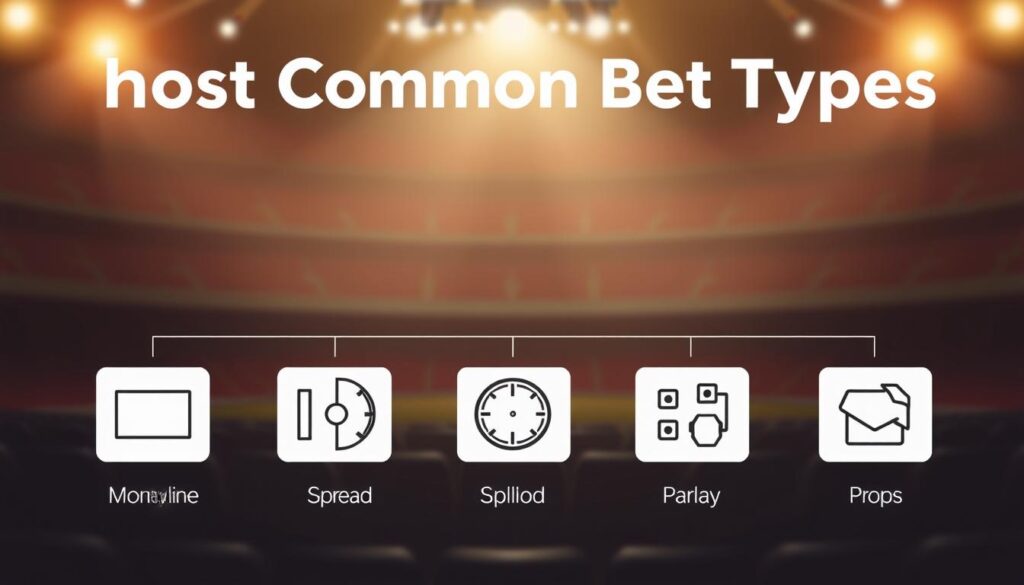
Sports betting is wagering on the outcome of games, player achievements, or event-specific results. A licensed operator, called a sportsbook, sets odds, accepts bets and pays winners. Common bet types include moneyline, point spread, totals, parlays, props, futures and live in-play wagers. Promotions such as odds boosts and welcome offers appear at both retail sportsbooks and online sportsbooks. For a concise primer on bet types and key terms, read this sports betting FAQ.
Definition and core concepts
At its core, what is sports betting comes down to risk and reward. Bettors compare odds across providers, apply handicapping methods and decide stake size. The vig, or juice, is the fee sportsbooks charge for taking action. Responsible players track bankroll and avoid chasing losses.
State-by-state legality and age requirements
Sports betting legality varies by state. As of recent updates, 38 states plus Washington, D.C. allow some form of betting, with a mix of retail and online options. That patchwork means bettors must check local rules before placing a wager.
Betting age requirements change from state to state. Most states set the minimum at 21. Some jurisdictions permit 18-year-old wagering for certain events. All licensed sites perform age verification at signup.
Where you can legally bet online and in person
Legal sports betting states host both retail sportsbooks at casinos and racetracks and licensed online sportsbooks accessible with geolocation. States with online wagering include Arizona, Colorado, Illinois, Michigan, New Jersey, New York, Pennsylvania and others. Retail sportsbooks offer in-person account help and instant cashouts.
- Use state-regulated online sportsbooks for consumer protections and secure payouts.
- Visit retail sportsbooks to place bets in person and get staff assistance.
- Confirm physical location and age before attempting any online wager.
How to Bet on Sports
Start by picking a licensed operator such as BetMGM, Caesars, DraftKings, FanDuel, bet365, or Fanatics. Compare features, payment options, and welcome offers before you sign up sportsbook. A quick review of promos and deposit methods helps you choose the best fit for your needs.

Signing up at a licensed sportsbook
Complete sportsbook registration by creating an account and supplying basic details. You will normally see welcome offers like BetMGM’s first-bet credits or DraftKings/FanDuel bet-and-get promos. Read the terms for any bonus to know rollover rules and minimum odds.
Fund the account using your preferred method. Many sites accept bank transfers, cards, PayPal, and sometimes Venmo. Use site calculators to preview payouts while you browse markets.
Account verification, geolocation and age checks
Expect sportsbook verification to require photo ID and SSN confirmation. Rules demand age checks to make sure you are 21 or older where state law requires it. Submit docs promptly to avoid delays when you want to place first bet.
Online apps use geolocation betting to confirm you are inside a legal jurisdiction. If geolocation fails, the app will block wagering. Keep location services on and try reconnecting your device if you see errors.
Placing your first wager: bet slip, stake, and submit
To place your first bet, choose an event, pick a market, and add selections to the bet slip. For beginners, a simple moneyline wager keeps things clear and easy to track.
Enter your stake as a dollar amount or units. Check the displayed odds and the potential payout before you submit. Confirm bankroll and unit size so the wager fits your plan, then tap submit to lock the bet in.
Parlays and same-game parlays combine legs, so every selection must win for a payout. Live betting allows in-play wagers with shifting odds. Watch the flow of play and bet when you see value.
- Tip: Start small and learn how to place a sports bet before raising stakes.
- Tip: Keep records of deposits, bets, and withdrawals for easy tracking.
- Tip: Check withdrawal and deposit limits in the sportsbook registration terms.
Understanding Betting Odds and How to Read Lines
Grasping how bookmakers present prices is essential for smart wagering. This short guide covers the core concepts you need for reading betting odds, with practical steps to spot value and follow market action.
American odds: plus and minus explained
American odds use a plus or minus sign to show profit or stake. A +200 price means a $100 wager returns $300: $200 profit plus your $100 stake. A -150 price means you must risk $150 to win $100. Big positive numbers signal longer shots. Larger negative numbers mark strong favorites.
Converting odds into implied probability
Odds conversion turns prices into a percentage chance. For American odds: if the line is positive, implied probability = 100 / (odds + 100) × 100. For negative lines, use = odds / (odds + 100) × 100. Use a betting calculator or sportsbook tool to speed this up.
Once you have implied probability, compare it to your own forecast. If your estimate is higher than the implied probability, the bet may offer value. For parlays, convert the final combined odds, not each leg separately.
How lines move and what line movement means
Line movement reflects new information and money flow. Public bets push popular sides. Sharp money moves lines more quickly when professionals place large wagers. Injuries, weather updates, and lineup changes force adjustments.
Sportsbooks shift numbers to balance liability and protect profit margins. A -160 favorite facing a +140 underdog can change to -170/+130 after heavy action. Spread and total markets often show a -110 juice, which is the fee built into the line.
- Read the market: follow early lines for raw value, watch late moves for sharp signals.
- Monitor liability: significant line movement often means books are reacting to stakes or new facts.
- Apply implied probability: use odds conversion to decide if the market price beats your estimate.
For a clear primer on American, fractional, and decimal formats, consult this concise guide from Investopedia to see examples and formulas for payout calculations: betting basics and odds formats.
Common Bet Types and When to Use Them
Picking the right bet types shapes your edge. Start with simple wagers, learn how lines move, and add complexity once you have bankroll discipline. Below are core options, practical uses, and risk notes to help you decide.
Moneyline, point spread, and totals
Moneyline bets are the easiest: pick the winner. Point spread lets you wager on margin, where a favorite must win by more than the spread. Totals, or over/under, have you betting the combined score.
Example: Boston Celtics -5.5 (-110), New York Knicks +5.5, total 210.5 (-110). Use moneyline for clear underdog or favorite plays. Choose spread when margin matters. Use over/under when pace, injuries, or weather change scoring expectations.
Parlays, same-game parlays, and teasers
Parlays combine multiple selections into one ticket. All legs must hit to win. Parlays lift payout but amplify risk.
Same-game parlays let you mix markets from one matchup. Payouts can look tempting, yet implied probabilities are often tiny. Treat those tickets like entertainment and limit stakes.
Teasers shift spreads in your favor across several games for a lower payout. Use a parlay strategy that fits your bankroll and target returns.
Prop bets, futures, live/in-play betting and microbets
Player props focus on individual stats. Deep knowledge of rotations, usage rates, and coaching patterns can give an edge on player props.
Futures cover long-term outcomes like season champions. Use them for high-conviction ideas and accept long variance. Live betting and microbets let you wager after the game starts, with odds changing quickly. Live betting rewards fast reads and discipline during in-game swings.
- Beginner tip: start with moneyline, then move to spreads and totals.
- Risk note: parlays and same-game parlays can have very low implied probability; keep stakes small.
- Practical use: futures for long-term conviction, player props for specific insights, live betting for real-time advantages.
Bankroll Management and Unit Sizing
Smart bettors protect their funds before placing their first wager. Treat your bankroll as an entertainment budget and never risk money you need for bills. This mindset underpins responsible betting and keeps short-term swings from becoming personal crises.
Start by setting a clear starting bankroll from disposable income. Many experienced bettors set aside a fixed amount they can afford to lose and separate that money from everyday accounts. That segregation makes it easier to follow a staking plan without emotional interference.
Choose a sensible unit size tied to your bankroll. A common rule is 1–5% of the bankroll per unit. If your bankroll is $1,000, a 1% unit equals $10. Bets then range from 1–5 units depending on confidence, so your typical wager might be $10–$50. This approach keeps single losses small and lets you ride out variance.
A fixed-unit approach simplifies decisions and reduces impulse bets. Some bettors use confidence units, raising stake slightly on stronger edges and lowering it on low-confidence plays. Whichever method you pick, record each wager. A clear ledger helps adjust unit size based on long-term results rather than short-term emotion.
Prepare rules to handle losing stretches. Set stop-loss thresholds and use deposit limits offered by sportsbooks to block escalations. Many apps from DraftKings and FanDuel allow daily or weekly caps. Time-outs and self-exclusion tools exist for deeper control. These measures make a staking plan more durable.
Resist chasing losses or overleveraging parlays to recover quickly. Use welcome offer credits carefully and avoid adding real funds to match bonuses in a risky way. When variance hits, follow preset stop rules and revisit unit size only after a written review of performance.
- Set bankroll: only disposable income, segregated from savings.
- Pick unit size: 1–5% per unit; scale to confidence within the staking plan.
- Control variance: stop-loss rules, deposit limits, time-outs.
- Track bets: adjust unit size based on long-term records, not emotion.
Research, Data Sources, and Pre-wager Checklist
Smart bettors build a routine. Start with solid betting research and reliable sports stats sites to turn hunches into informed decisions. Use official numbers, not forum chatter, and keep notes to measure what works over time.
Where to find reliable stats
Dependable data comes from trusted sources like Sports Reference, Pro Football Focus, Baseball Savant, Team Rankings, and FantasyPros. These sports stats sites offer play-by-play data, advanced metrics, and historical splits that reveal patterns.
Use betting calculators to convert odds to implied probability and double-check lines across apps. Recording your rationale keeps bias out of decisions and improves future betting research.
Matchup analysis factors to check
Matchup analysis should include injury reports, roster moves, recent form, and situational context such as travel or rest. Official injury reports and team press conferences give verified updates you can trust.
Weather matters for outdoor sports. Wind, rain, and snow often reduce scoring and affect totals and player props. Check late forecasts and adjust conclusions from your matchup analysis when conditions change.
Creating a pre-wager checklist
A concise pre-wager checklist helps stop impulse bets. Include unit size, bankroll limits, line shopping, injury reports, venue, weather, and recent trends like back-to-back games or rest days.
- Confirm stake and bankroll allocation.
- Compare odds across multiple sportsbooks for best value.
- Verify injury reports and official roster status.
- Check weather and venue for outdoor contests.
- Review market movement and any sharp money signals.
Keep every wager logged with the reason and outcome. Over time this record improves your models and trains discipline. Treat the pre-wager checklist as a habit; it protects your bankroll and sharpens your betting research skills.
Line Shopping and Using Multiple Sportsbooks for Better Value
Smart bettors keep accounts with several licensed operators to lock in the best prices. Line shopping matters because tiny differences in odds add up over time. When you compare sportsbooks you protect your bankroll and widen your chances to find true value.
Practical steps
- Open accounts at trusted brands like DraftKings, FanDuel, BetMGM, Caesars, and bet365 to access distinct markets and promos.
- Use an odds comparison tool or manual odds comparison before placing a wager to spot the best payout on the same market.
- Track lines over time with a line tracker to understand where sharp money is moving and when to act.
Promos and execution
Sportsbook promos vary by operator and can tilt value. Caesars often leads with odds boosts and profit tokens. BetMGM runs large first-bet offers and Easy Parlay features. FanDuel and DraftKings push deep player props and big new-customer promos. Fanatics and bet365 provide bet-and-get or early-payout options.
Study each offer carefully. Read the terms to learn minimum deposits, playthrough rules, and expiration windows. Treat bonus bets as extra tools, not replacements for real-money stakes.
How to use odds boosts
- Only accept odds boosts when the boosted selection matches your research and offers better implied value than the standard market.
- Limit use of bonus bets to low-risk experiments or to stretch bankroll during long slates.
- Prefer real-money value when you can, since withdrawal limits and wagering requirements reduce long-term benefit from promos.
Daily routine
Before you wager, compare sportsbooks for the same line and factor in any available sportsbook promos. Small edges through disciplined line shopping compound, improving your profit odds across a season.
Smart Betting Strategy: Value, Timing, and Market Insight
Smart bettors lean on a clear betting strategy that prioritizes steady gains over chasing big payouts. Start by comparing your own probability estimates to the implied probability in the odds. When your model shows an edge, that is the moment for value betting.

Balance matters. A mix of higher-odds plays and safer wagers can protect your bankroll. Use disciplined unit sizing and repeat small edges rather than risking bankrolls on longshot parlays. Line shopping across books supports consistent value betting.
Timing bets affects returns. Early markets sometimes hold raw value before retail action arrives. Late moves may reflect sharp money, which can validate or erase an edge. Track both early lines and closing lines to see where your edge sits.
Follow reputable market watchers and consensus lines. Look for sharp money patterns from professional bettors who move books. When sharp money pushes a line, investigate the reason and decide if it aligns with your model before joining the move.
Public action can create market inefficiencies you can exploit. Retail tendencies often bias totals and spreads. Monitor betting percentages and spot where public sentiment diverges from statistical reality.
- Quantify edges with a simple model and bet when positive EV appears.
- Use odds comparison to capture small but repeatable gains.
- Increase stakes only after a proven run of validated value.
Track line movement and tie shifts to events like injuries, weather, and roster changes. Books change lines to manage liability, not to teach you anything. Verify the cause of a move before reacting.
Adopt a long-term mindset. A steady approach to timing bets, following sharp money selectively, and hunting market inefficiencies will improve results more than chasing volatility. Treat each wager as one part of a disciplined betting strategy focused on sustainable edges.
Common Beginner Mistakes and How to Avoid Them
New bettors often make a handful of repeat errors that drain bankrolls and slow learning. Spotting these habits early helps protect your funds and sharpen decision-making. Read each point and apply the fixes before placing wagers.
Emotional Bets, Chasing Losses, and Overleveraging Parlays
Placing wagers on a favorite team after a bad stretch is a classic example of emotional betting. Emotions blur judgment and increase the chance of impulsive stakes.
When you lose, the urge to increase bets to recoup losses appears natural. To avoid chasing losses, set strict stop-loss rules and resist raising unit size during a streak.
Parlay bets carry attractive payouts but steep risk. Limit exposure to parlay pitfalls by capping parlays to a tiny share of your bankroll and avoiding long same-game parlays.
Ignoring Line Movement, Failing to Research, and Misreading Odds
Odds change for reasons worth tracking. Ignoring line movement means missing value or late information that alters a bet’s edge.
Many betting research mistakes come from relying on headlines instead of stats. Use sources like Sports Reference and Baseball Savant to confirm trends before wagering.
Misreading odds, such as not understanding what -110 implies about implied probability, leads to wrong risk estimates. Practice converting odds to probability so you judge value correctly.
Practical Tips to Build Discipline and a Long-Term Approach
- Keep a bet log that records stake, odds, reasoning, and outcome. Reviewing results reveals leaks and patterns.
- Adopt fixed unit sizing and a clear bankroll plan. This enforces betting discipline and limits emotional shifts after wins or losses.
- Use sportsbook tools: deposit limits, time-outs, and self-exclusion help you avoid impulsive moves and avoid chasing losses.
- Limit same-game parlays and large multi-leg cards. Treat SGPs as entertainment and allocate no more than a small percentage of your monthly bankroll to them.
- Run a pre-wager checklist before every bet. Confirm injuries, weather, lineup changes, and line value to reduce betting research mistakes.
Discipline beats short-term luck. Small, consistent improvements to process and record-keeping compound into better results and fewer costly beginner betting mistakes.
Responsible Gambling, Taxes, and Practical Next Steps
Treat betting as entertainment and practice responsible gambling by setting clear budgets and never staking money needed for rent, bills, or essentials. Use sportsbook safety tools such as deposit limits, wager caps, time-outs, and self-exclusion programs offered by DraftKings, FanDuel, BetMGM, and other licensed operators. If gambling feels out of control, contact problem gambling resources like the National Council on Problem Gambling (1-800-GAMBLER) for confidential support.
Keep detailed records of every wager: dates, stakes, sportsbook, and outcomes. Gambling taxes can apply at both federal and state levels, and rules vary by location. Consult a tax professional to ensure accurate reporting of winnings and to determine deductible losses where allowed. Good recordkeeping simplifies filings and helps avoid surprises during tax season.
For practical sports betting next steps, establish a starting bankroll and unit size before placing bets. Open accounts with multiple licensed sportsbooks to shop lines and compare odds. Build a simple pre-wager checklist, rely on trusted data sources like Sports Reference, Pro Football Focus, and Baseball Savant for research, and start with straightforward moneyline bets while avoiding high-variance parlays.
Focus on process over short-term wins: use promotions wisely by reading terms, limit volatile plays, and stick to bankroll-management rules. If tax questions or addiction concerns arise, seek professional help from a certified accountant or licensed counselor. Responsible gambling and strong sportsbook safety habits protect both your money and your peace of mind as you learn and grow as a bettor.