
This sports betting guide explains the core differences between moneyline betting and point spread wagering so U.S. bettors can make smarter choices on FanDuel, DraftKings, BetMGM, Caesars, Fanatics, and bet365. We’ll define moneyline bets and American odds, then introduce the point spread and the concept of vigorish or -110 pricing.
The article is a how-to guide with actionable steps, examples, and risk-management advice. Expect clear coverage of implied probability, line movement, market-setting books, and the roles of sharps versus public money. Practical topics include line shopping, parlays, live betting middles, and bankroll management.
Readers will get a moneyline vs spread comparison that ties theory to practice. Sources such as DraftKings product details, FOX Sports on moneyline fundamentals, and TheLines on point spread mechanics inform the examples. All guidance is written for bettors 21+ who follow state laws in the United States.
What a Moneyline Bet Is and How American Odds Work
The moneyline definition is simple: pick the outright winner of a contest. This wager asks no questions about point margins. You choose which team or athlete wins and the sportsbook pays according to the posted price.
How moneyline works depends on American-style pricing most U.S. bettors see every day. Favorites are shown with a minus sign and underdogs with a plus sign. A -125 favorite requires a $125 stake to win $100. A +150 underdog pays $150 on a $100 stake.
Reading American moneyline odds becomes routine once you practice a few examples. A pick ’em may show -110/-110, which reflects the bookmaker’s vigorish. Big favorites like -2500 mean a large stake is needed for a modest return.
Implied probability moneyline converts those odds into percentages. For negative odds use 100 / (odds + 100) and for positive odds use odds / (odds + 100). That formula turns -200 into roughly 66.67% and +150 into about 40%.
- moneyline examples NFL NBA MLB: Kansas City Chiefs -164 vs. Chargers +138 illustrates a favorite and underdog on FanDuel.
- An NBA example: Indiana Pacers -154 vs. Knicks +129 shows how a favorite requires more risk to win $100.
- MLB and hockey often hinge on late scratches or starting pitchers; moneyline shifts fast when a pitcher is announced.
Moneyline applies beyond team sports. In golf and tennis bettors back an individual. Large-field golf events can still leave top players with plus signs because the payout models differ from head-to-head matchups.
Major U.S. sportsbooks such as FanDuel, DraftKings, BetMGM, Caesars, Fanatics, and bet365 display payouts so you can confirm calculations. Check injury reports and starting lineups before placing a bet, and use a calculator or the sportsbook’s payout display to avoid surprises.
What a Point Spread Is and How Spread Betting Functions
The point spread definition centers on a handicap that evens the odds between two teams. Bookmakers set a number so bettors can choose the favorite, which is giving points vs getting points as the underdog. This creates two wagering options with similar risk.
Definition and the idea of giving or getting points
A favorite listed at -4.5 must win by five or more for that bet to cash. An underdog at +4.5 wins the bet if they win outright or lose by four or fewer. Clear examples of this appear across NFL and NBA markets.
How the spread changes the outcome you need
Spreads alter what counts as a win. A team can lose the game but still cover the spread if the margin stays inside the number. A push happens when the final margin equals the spread and the stake is returned.
Vigorish and typical pricing on spreads
Most spread markets use a spread vig -110 on both sides. That -110 price means a bettor must win about 52.38% of wagers to break even. Books sometimes move vig to -115 or -120, which raises the breakeven threshold.
Cover, push examples and grading spreads
Cover means the favorite wins by more than the spread or the underdog keeps the loss within it. A push refunds stakes when the margin equals the line. Real-game examples help:
- 49ers -2 vs. Chiefs +2: if Kansas City wins 25-22, the Chiefs cover and the 49ers fail to cover.
- Rams -4 vs. Bengals +4: a 23-20 final results in the Bengals +4 cashing while the Rams do not cover.
Spreads move as news and money arrive. Quarterback changes, injury reports, and heavy sharp action force books to adjust opening numbers. For deeper reading on how oddsmakers create lines and manage movement, see point spread resources.
Moneyline vs. Spread: Direct Comparison of Mechanics
At the core, moneyline wagers pick the outright winner while spread bets focus on the margin of victory. That single distinction shapes odds, payout structure, and how bettors manage risk.
Head-to-head: outright winner versus margin of victory
Moneyline bets pay based on who wins. A favorite like the Kansas City Chiefs might show -150, while an underdog such as the Tampa Bay Buccaneers could be +130. The spread gives or takes points so a favorite must win by more than the posted number to cash. That creates a different decision tree for bettors balancing risk and reward.
How odds and payouts differ between the two markets
Moneyline payouts swing widely with team quality. Small favorites return modest profit; big underdogs yield large payouts. Spread pricing tends to be symmetric, commonly near -110 on both sides. This standardization makes a spread vs moneyline payout comparison straightforward: spreads offer predictable returns after vig, while moneylines vary by implied probability.
Risk profile and variance
Moneyline bets carry higher variance. Backing underdogs can produce big wins but hits less often. Spreads compress outcomes. You can back strong teams with a points cushion, which lowers variance but requires a typical break-even win rate of about 52.38% at -110 pricing.
When a moneyline is preferable
Moneylines work well in low-scoring sports and individual events like tennis or UFC where margin matters less. Pick a moneyline when you expect an upset or when laying many points is unattractive. Promotional offers and risk-free first-bet bonuses can boost moneyline value for recreational bettors.
When spreads offer more value
Spreads shine in NFL and NBA markets where books balance action and liquidity. Serious bettors and high-limit players favor spreads for consistent edges and lower variance. When lines are efficient and -110 vig applies, spreads often deliver better long-term value than pricey moneylines.
- Practical note: compare both markets before staking a bet.
- Use moneyline when you target an upset or a tight matchup in a low-scoring sport.
- Prefer spreads when you want a points cushion, predictable vig, and more consistent outcome.
How Oddsmakers Set Moneylines and Spreads
Oddsmakers combine data, expertise, and market signals to set moneylines and spreads. Early numbers come from market-setting sportsbooks such as DraftKings, FanDuel, and BetMGM. These initial prices reflect power ratings, matchup specifics, injuries, starting pitchers or goalies, travel, weather, and home-field advantage.

Key inputs oddsmakers use:
- Injury reports and announced lineups that change expected value.
- Recent form and matchup history between teams or players.
- Situational context like travel days, rest, and weather for outdoor sports.
- Specific matchup edges such as pace, defensive matchups, or pitching rotations.
The market-setting process unfolds in stages. Sharp sportsbooks open markets with conservative limits. Competitors mirror those prices and tweak them. As public action, sharp bets, and news arrive, books widen limits and refine odds. The closing line often reflects the most complete information available.
How lines move over time:
- New information—an injury or starter change—can force an instant adjustment.
- Sharp money moves markets fast because books trust experienced bettors who find edges.
- Public money creates volume that pushes lines as books balance liability and shape their books.
Understanding line movement explained means watching timing and source of action. A midweek shift after a training report differs from heavy weekend bets from recreational bettors. Sharp bets tend to move prices in the direction of value, while public money often moves prices toward balance.
The dynamic between sharps vs public money matters a great deal. Sharps place large, targeted wagers and often trigger rapid adjustments at market-setting sportsbooks. Public bettors place many smaller bets that can nudge a line later in the cycle as books seek even exposure.
Practical signals to watch: early limits that expand, sudden price changes after an injury, and a late move toward the number where sharp accounts acted. When sharp action arrives, lines can shift quickly and create edge opportunities for those who shop lines across books.
When to Use Moneyline Bets in Your Strategy
Moneyline bets work best when you want a simple outcome: who wins. Use them selectively and pair that choice with disciplined bankroll rules. The following points show practical situations where a moneyline strategy adds value.
Betting underdogs
- Pick underdogs when your model or local knowledge shows the implied probability is off. Late injury news, lineup changes, or weather can swing value quickly.
- College blowouts can create extreme lines. A team priced at +1100 may look tempting after reviewing tape and matchup specifics, but size your stake so one win does not distort the bankroll.
- Use underdog bets as variance plays inside a broader plan. Treat them as targeted opportunities, not habitual punts.
Backing favorites on the moneyline
- Backing favorites reduces variance. When you expect a clear winner, the moneyline turns perceived certainty into immediate cash.
- Heavy favorites pay little. Compare the moneyline payout to the spread’s ROI before staking. Sometimes a small spread bet gives better long-term value.
- Favorites work well when promotions shrink your downside. A modest win on low risk can beat frequent small losses.
Best markets for moneyline bets
- Low-scoring sports and individual matchups reward moneyline plays. Tennis, UFC, golf, baseball, hockey, and soccer fit this profile because margins matter less than outcome.
- Matchup research is crucial. In baseball, check starting pitchers. In tennis, factor surface and recent form. That homework separates a good bet from a guess.
Using offers and bonuses
- Take advantage of moneyline promotions from FanDuel, DraftKings, BetMGM, and bet365 when they lower risk. Risk-free first-bet credits let you try aggressive plays without full exposure.
- When you hold free-bet credit, target value underdogs. A win converts a promo into real bankroll growth with limited downside.
- Always lock in odds before lineup confirmations and check whether a promotion changes your optimal choice between moneyline and spread.
Before placing any stake, compare expected value of the moneyline versus the spread. Monitor starting lineups and shop multiple books to lock the best price. Apply the strategy that fits your edge and bankroll rules.
When to Use Point Spread Bets in Your Strategy
Point spreads dominate NFL and NBA markets because they balance action and reduce variance. Bettors who seek steady returns tend to prefer spreads over straight moneyline plays in these leagues. Understanding when to bet spread helps you pick the right market for each matchup.

- Spreads make uneven games competitive for both sides, keeping books balanced and giving bettors steady options.
- Coaches, pace of play, and garbage-time scoring affect margins more than winners, so spread strategy NFL NBA should factor in tempo and matchup specifics.
- Many regular bettors track trends and line movement to gain small edges across many bets.
Leverage low vig to improve expected return:
Standard spread pricing sits around -110, which means spread low vig gives a lower sportsbook hold than many other markets. That breakeven win rate near 52.38% is reachable for disciplined players who shop lines and apply sound staking. Treat the vig as part of your cost structure when planning long-term models.
Use live action to create middles and exploit momentum:
- In-play lines move fast after turnovers or big runs. Reacting quickly can produce live spread middles where two bets both win if the final margin lands between numbers.
- Example approach: take a larger live dog early, then grab a smaller favorite later to form a middle. Proper timing and bankroll limits are essential.
- Watch for public overreactions after injuries or hot streaks; mispricings appear during these windows.
Why serious bettors favor spreads for high-limit play:
Books often allow larger limits on spread markets because they cap exposure with the point differential. Professional bettors and syndicates combine line-shopping, statistical models, and timing to exploit small edges at scale. When you plan big stakes, prioritize accounts with competitive limits and consistent pricing.
Practical tips for better spread decisions:
- Monitor injury reports and late lineup moves that shift expected margins.
- Shop multiple books for half-point differences to avoid pushes or to improve value.
- Account for end-game behavior in the NBA and garbage-time runs in the NFL when modeling final margins.
Parlays and Combining Moneyline and Spread Bets
Parlays bundle multiple legs into a single ticket so one win multiplies the payout. A single miss kills the whole bet. Casual bettors enjoy the upside, while serious players watch the math closely.
How they work
- Combine moneyline, spread, totals or prop legs into one wager.
- Payouts rise quickly; two-team parlays often pay under 3-to-1 on many books.
- Every leg must win, so probability falls sharply as legs increase.
Same-game options
Same-game parlays let you mix moneyline and spread legs within one contest. FanDuel and DraftKings both promote same-game parlay strategy tools with boosts and prebuilt combos. Beware of correlation rules that can change true risk when two legs depend on the same event.
Odds and implied probability
- Parlay odds look tempting, yet the sportsbook vig compounds across legs.
- Work the math on the sportsbook slip to see implied probability before staking.
- Books like TheLines and popular operators note parlays are tough to beat over time.
Expected value
Parlay expected value rarely beats single bets unless you have positive edges on nearly every leg. Promos and odds boosts can create short-term +EV situations. Use bonus bets and site-specific boosts rather than making parlays your core approach.
Practical tips
- Check correlation and rule pages; some books void correlated parlays.
- Limit leg count to keep probability reasonable.
- Use cash-out or hedges when offered and when math favors a safer return.
Understand parlay odds and the compounding vig before committing funds. Treat parlays as occasional value plays or promo vehicles, not a primary long-term strategy.
Line Shopping and Betting Across Multiple Sportsbooks
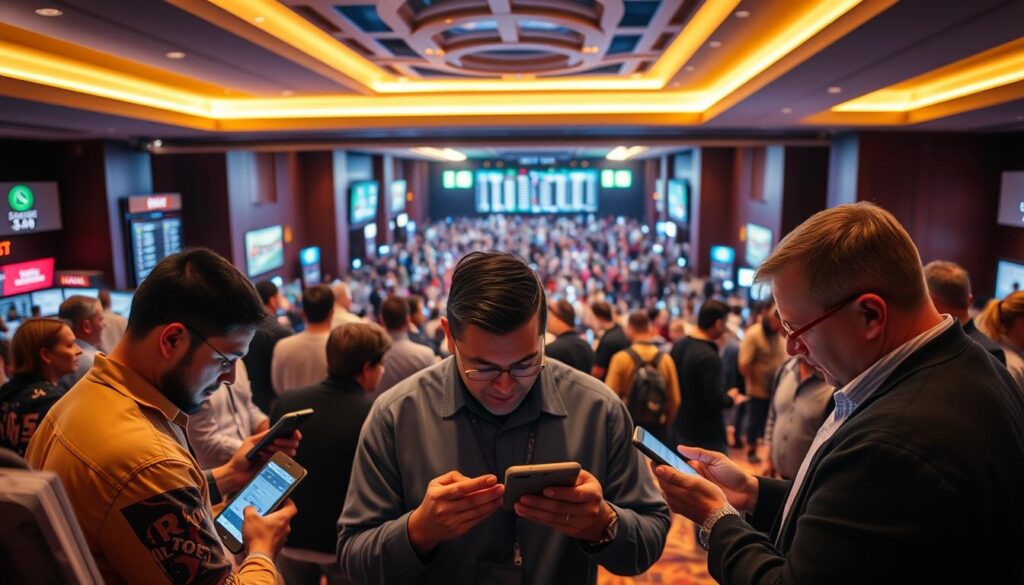
Smart bettors know small pricing gaps add up. Line shopping reduces downside and raises expected return when you compare odds across books before placing a wager.
How price differences affect profitability:
- Spread moves of a half-point can flip results from a loss to a push or a push to a win. This half-point difference impact matters over hundreds of bets.
- Moneyline deltas also compound. Taking an underdog at +150 instead of +130 increases your payout rate and long-term ROI.
Practical tips to capture the best sportsbook lines:
- Open accounts at major legal sportsbooks such as FanDuel, DraftKings, BetMGM, Caesars, bet365, and Fanatics to harvest promos and line differences.
- Use odds comparison tools and set alerts to compare moneyline spread odds across books. Track open versus close lines to see where sharps push markets.
- Shop early on markets likely to move, but wait if you expect injury news or starter updates that could create value.
- Check each book’s rules for grading, limits and restrictions. Some operators change vig or limit sharp accounts, creating hidden edges or costs.
Concrete examples that show value:
- TheLines style situations: a team listed at +7.5 versus another listing at +6.5 shows how a half-point change alters push scenarios and payouts.
- Chiefs -3.5 versus -3.0 illustrates the half-point difference impact; bettors who secured -3.0 sometimes earned a push where -3.5 would have lost.
- Seahawks moneyline examples: a +140 price at one book versus +125 at another creates measurable value when repeated over time.
Avoiding worse edges:
- Calculate implied vig to spot inflated juice. Books that move to -120 or odd decimal lines can erode profit.
- Monitor limits and account behavior to ensure large wins won’t be restricted. Some sportsbooks flag sharp action quickly.
- Keep a log of prices and outcomes so you can quantify how often you captured the best sportsbook lines and the impact on your ROI.
Consistent line shopping, using multiple accounts and tools to compare moneyline spread odds, turns small advantages into lasting gains. Focus on capture, not guesswork, and let the math work for you.
Risk Management: Bankroll, Stakes, and Breaking Even Rates
Smart bettors protect their bankroll and choose stakes that match each market’s variance. A clear rule helps: limit single bets to a small percent of your total funds. This reduces the chance of ruin and makes strategy testing practical.
Breakeven -110 is a common benchmark for spread betting. A standard -110 price implies a breakeven win rate of about 52.38%. That number shows why beating the market matters: you must win slightly more than half your bets just to avoid losses when paying typical vig.
Moneylines change the math. Convert American odds to implied probability to see what win rate a market assumes. For example, a -500 favorite has an implied probability near 83.33%. A +300 underdog implies about 25%.
Use the implied probability win rate to plan stakes. A heavily favored moneyline may demand a high hit-rate to be profitable. Adjust bet size downward on long-shot moneylines where hit rates are low despite large payouts.
Adopt staking plans sports betting that limit downside while capturing edges. Fixed-percentage staking — 1% or 2% of bankroll — is easy to follow and lowers volatility. Increase or decrease stake size only when your edge and confidence clearly change.
- Match stake to variance: lower stakes on high-variance moneylines, higher on steady spreads.
- Keep records: track ROI, units won, and line movement to refine staking plans sports betting.
- Line-shop regularly to reduce vig and improve your effective edge against breakeven -110.
When switching markets, scale stakes by expected volatility. Spread bets priced near -110 allow slightly larger relative stakes than long-shot moneylines. Use smaller stakes for underdog runs to avoid heavy drawdowns.
Promotions and risk-free bets can boost short-term ROI. Read terms closely and treat bonuses as situational capital only after accounting for turnover rules and restricted markets.
- Set a staking rule (1–2% typical).
- Convert moneyline odds to implied probability before sizing bets.
- Adjust stakes down for higher variance and up for consistent edges.
Maintain discipline: avoid chasing losses and limit action to legal, regulated books such as DraftKings or FanDuel in licensed US states. For anyone struggling with gambling, contact 1-800-GAMBLER or your state resources for help.
Practical Examples: Real-World Scenarios to Choose Moneyline or Spread
Below are concrete, real-game situations showing when a moneyline or a spread bet makes more sense. Read each scenario, note the decision factors, and use the checklist at the end to apply the idea to your own wagers.
NFL split decision: Chiefs -3 vs. Buccaneers +3. If you back Kansas City on the spread, you need a 3-point or greater margin to win the bet. A moneyline wager on Tampa Bay wins if they take the game outright, even in overtime. The difference between an NFL moneyline vs spread becomes obvious in tight finishes. Spread bettors can push on a three-point margin, while moneyline bettors who backed the underdog can cash when an upset or late comeback happens.
Large underdog payoff: Titans +13 at Dolphins -13. A spread backer who expects Tennessee to cover needs the 13-point cushion. A moneyline bet on the Titans returns a much bigger payout if they win outright, like a 28-27 upset. This is a classic moneyline or spread examples case where the underdog’s outright win produces dramatically different outcomes than the cover result.
Close NBA matchups and live dynamics. When a game has a tight spread, for example -1.5 or -2, factors like bench rotation and late foul trouble shift value fast. Live NBA betting examples show lines swing by multiple points in minutes. Taking the moneyline can be better if a key player leaves with an injury, while in-play spread moves open opportunities for middles when the line crosses back.
Half-point swings matter. A half-point can change grading on both spread and moneyline outcomes in close finishes. NFL moneyline vs spread often hinges on these tiny moves. Line-shopping for a half-point helps avoid pushes and improves long-term results.
College blowout moneyline scenarios. Heavy favorites like a -2500 price offer tiny moneyline returns. Bettors who expect a big margin might prefer the spread if it looks achievable. Some bettors target an underdog moneyline at +1100 during promotions, chasing value when the favorite may overlook depth. College blowout moneyline examples reveal why promos and parlay structures can change the preferred market.
Parlay impact and bankroll choices. Combining several heavy favorites on the spread can produce large swings in parlay payouts. A single missed blowout can wreck a multi-leg ticket. Use spread legs when you trust margin of victory and choose moneyline when margin is irrelevant or you expect an upset.
Quick decision framework:
- Choose moneyline when you expect an upset or when margin does not matter.
- Pick the spread when you expect a specific margin or when -110 vig gives better edge.
- Use live betting to exploit late rotations, injuries, or tempo shifts with live NBA betting examples in mind.
- Always check starting lineups, injury reports, and shop lines for half-point improvements.
Execution checklist before you bet:
- Verify starters and injury news within an hour of tipoff.
- Compare moneyline and spread prices across books for value.
- Consider promos that boost underdog moneyline value in college games.
- Use live markets to create middles or to move off stale pregame lines.
Responsible Betting, Legal Considerations, and Tools to Use
Responsible gambling starts with clear limits. Only bet if you are 21+ and in a state that permits legal sports betting US. Set deposit, time, and loss limits before you open an account and stick to them. If gambling feels uncontrollable, contact state resources or the national helpline at 1-800-GAMBLER for support.
Know the law and pick regulated operators. Apps like FanDuel, DraftKings, BetMGM, Caesars, and bet365 operate under state rules; availability and wagering terms vary by jurisdiction. Read sportsbook terms and promo T&Cs carefully—offshore books may offer tempting lines but carry grading and payment risks you don’t want.
Use betting tools to keep decisions objective. An odds calculator helps convert American lines to implied probability and compute payouts. Odds comparison sites and line-alert tools let you shop across sportsbooks to find better edges. Live-betting interfaces, same-game parlay builders, and cash-out features can help manage in-play risk when used with discipline.
Treat sportsbook promos as a complement, not a crutch. Welcome offers and odds boosts from DraftKings, FanDuel, BetMGM, and others can improve expected value but check wagering requirements and exclusions; bonus bets often expire or are excluded from returns. Combine bankroll rules (1–2% staking), careful line shopping, and consistent tracking to protect your money and enjoy betting responsibly.