
More than 40% of game-day social posts now call out NBA player rest decisions within hours of tip-off, according to an analysis of Instagram activity during the 2024–25 season.
When Kevin Durant or LeBron James is left off a lineup, Instagram fills with videos, screenshots, and tagged complaints almost immediately. That rush of visual content has made nba load management a daily talking point, turning what teams call a preventative practice into a public relations flashpoint.
Fans use clips and Stories to track superstar minutes and to question whether rest is medical necessity or strategic protection. Teams and players post their own updates, shaping the narrative around superstar rest strategy, while influencers and beat reporters widen the conversation through polls and highlight reels.
This rapid, image-driven debate has intensified the load management controversy, shifting scrutiny from training rooms to comment threads and affecting ticket-holder expectations and national coverage in real time.
Key Takeaways
- Instagram is a primary channel where fans react to NBA player rest and lineup changes.
- Visual posts and Stories accelerate debates about superstar minutes and team strategy.
- Teams and players use social media to frame rest decisions, complicating public perception.
- Influencers and reporters amplify the load management controversy on gamedays.
- The immediate social response influences ticket-holder expectations and media coverage.
Why nba load management has become a polarizing strategy
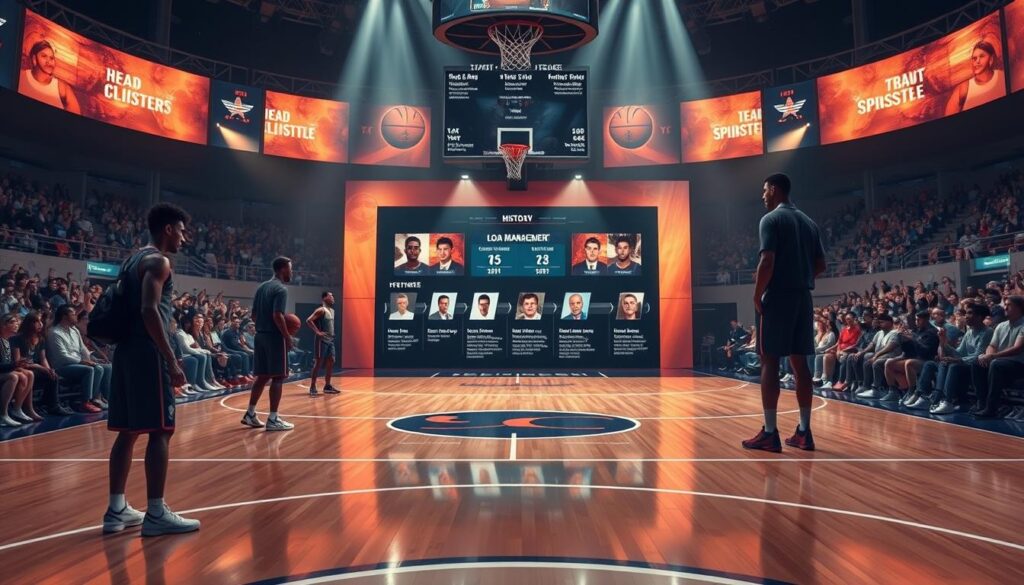
Teams and medical staffs have reshaped minute planning over the past decade. The history of load management traces back to efforts by franchises and sports scientists to limit cumulative wear on stars. Those early practices grew from tracking player workload, tailoring practice intensity, and using recovery plans tied to injury prevention.
Origins and purpose of load management
Load management began as a clinical response to overuse and chronic pain. Team physicians and performance teams introduced controlled minutes, scheduled rest days, and monitored practice loads to protect careers.
Franchises such as the San Antonio Spurs and Golden State Warriors used data-driven protocols that later influenced leaguewide standards. The approach aligned with evolving NBA health protocols aimed at reducing long-term injury risk while keeping players available for playoffs.
Visible fan reactions on Instagram and social platforms
Fans react quickly on Instagram, Twitter, and other channels when a superstar is listed out. Screenshots of empty benches and lineup posts spark debates about fairness to ticket buyers and the in-arena product.
Social media reactions include memes, polls, and heated comment threads that pressure teams and broadcasters. Beat reporters often post rest updates in real time, which fuels public scrutiny and second-guessing of medical decisions.
Teams’ and players’ public statements
Clubs and athletes issue statements to explain rest choices, citing medical advice or long-term planning. Coaches frame such moves as investments in postseason success and player longevity.
Players sometimes endorse the practice for personal health and career length. Critics on broadcast shows and in front offices argue some rest patterns look strategic rather than medical, prompting the league to refine messaging and consider tighter rules.
For further analysis of what counts as legitimate rest and where controversies begin, read a detailed breakdown at what is and is not load.
Game-day implications and scheduling controversies
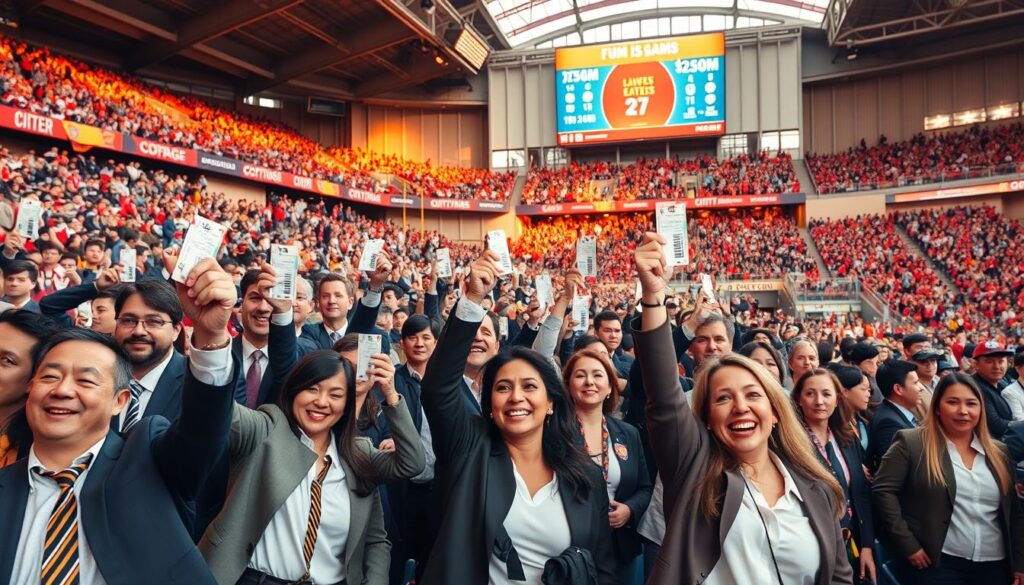
The rise of load management has reshaped what fans expect on game night. Ticket holders arrive hoping to see marquee names. When stars sit out, the ticket holder impact shows up quickly on social channels and in empty-seat chatter at the arena.
Teams that rest players without clear advance notice risk complaints, refund requests, and lower secondary-market prices. In-arena energy dips when half-court promotions and autograph activations tied to a star are canceled. Venue staff and marketing teams track these shifts in fan engagement to adjust future experiences.
Impact on ticket buyers and arena experience
Many fans post photos and reactions after notable absences. Those posts influence peers thinking about future purchases. Promotions sold around a player’s appearance lose value when that player is withheld for rest.
Some franchises now publish clearer guidelines and communicate rest plans earlier to limit surprises. That approach reduces last-minute frustration and gives season-ticket members a chance to adjust plans.
Broadcast, ratings, and sponsorship concerns
Networks and advertisers count on star-driven matchups to attract viewers. Changes to lineups can drag down television ratings for nationally televised games. Lower ratings mean weaker sponsorship ROI for brands that pay premiums for prime-time exposure.
Broadcast partners press for transparency so promotion of marquee games matches what airs. Social-media backlash amplifies the effect when a player skips a national slot. Advertisers and agencies ask for clauses that protect their spend when roster changes harm expected audience size.
League scheduling and potential policy responses
The NBA has tools to address these tensions. Adjusting back-to-back frequency, reworking travel windows, and creating incentives tied to marquee-game availability are on the table. The league continues talks with the Players Association about balancing health priorities and broadcast commitments.
Proposals include minimum appearance standards for certain national broadcasts and clearer standards for injury and rest reporting. Readers can review in-depth coverage on how these discussions evolved at NBA load management explained.
Any change in NBA scheduling will affect teams, broadcasters, sponsors, and fans. Policy shifts aim to protect game-day value without undermining player welfare under the league policy on rest.
Fan debate: sportsmanship, business, and the future of NBA viewing
The sportsmanship debate around resting stars is sharp and public. Critics say frequent absences during regular-season games erode competitive fairness and reduce the value of each contest. Supporters counter that player rest ethics aim to prevent injuries and protect careers, which in turn preserves marquee showdowns in the playoffs.
Teams navigate a tangled NBA business model where ticket sales, local sponsorships, and long-term franchise value clash with short-term fan anger. Broadcasters and advertisers push for reliable star availability because ratings and ad revenue depend on consistent lineups. Instagram and other social platforms amplify fan engagement, turning clips and opinion threads into pressure points for both clubs and the league.
Looking ahead, the future of NBA viewing may shift toward creative scheduling and clearer communication. Options include fewer regular-season games, protected marquee matchups, and timely explanations about rests to manage expectations. Enhanced real-time messaging and curated social content can sustain interest even when stars sit.
Ultimately, resolving tensions will require the NBA and the Players Association to balance player rest ethics with commercial realities. The outcome will shape how fans value single games, how broadcasters price media rights, and how fan engagement evolves in an era defined by highlights and instant reaction.

