
Seattle clinched its playoff berth with a dramatic 38-37 overtime win over the Los Angeles Rams on Dec. 18, 2025 — a victory built on three consecutive fourth-quarter three-and-outs that flipped momentum and secured the Seahawks’ NFC West clinch.
The box score read ugly: Seattle allowed 581 yards and Matthew Stafford threw for 457. Still, Seattle’s underrated defense and special teams produced the decisive moments — Rashid Shaheed’s 58-yard punt return touchdown and a perfectly scouted end-around that re-energized the comeback. Those plays, plus timely stops, underlined Seattle defense resilience even when opponents pile up yards.
Injuries tested depth: Coby Bryant, Nick Emmanwori and Riq Woolen left with issues and forced rotation packages, yet coach Mike Macdonald praised the unit’s relentlessness after the win. Kenneth Walker’s 100-yard effort, including a 55-yard touchdown, shifted field position and eased pressure on a defense that repeatedly bent but didn’t break.
Week 16 betting narratives mirrored the film. Close lines and advanced metrics like EPA per play showed market respect for defensive impact, and analysts cited Seattle’s edge despite offensive turnover risk. For context on league-wide defensive dynamics and how defenses can swing seasons, this ranking piece offers useful background: NFL defensive rankings and trends.
Key Takeaways
- The Seahawks’ comeback win highlighted nfl defensive dominance in late-game situations.
- Seattle’s underrated defense made pivotal stops despite surrendering high yardage totals.
- Injuries forced scheme adjustments that revealed depth and coaching adaptability.
- Special teams and situational defense were central to the Seahawks playoff push.
- Advanced metrics and betting lines reflected a broader respect for defensive influence on outcomes.
How an Underrated Unit Became a Playoff Difference-Maker
The defense reshaped a season with timely plays and smart adjustments. Turnaround drives and late-game stops kept one team alive in tight contests. Special teams momentum swung crowd energy and field position at crucial moments.
Game-changing moments that flipped the standings
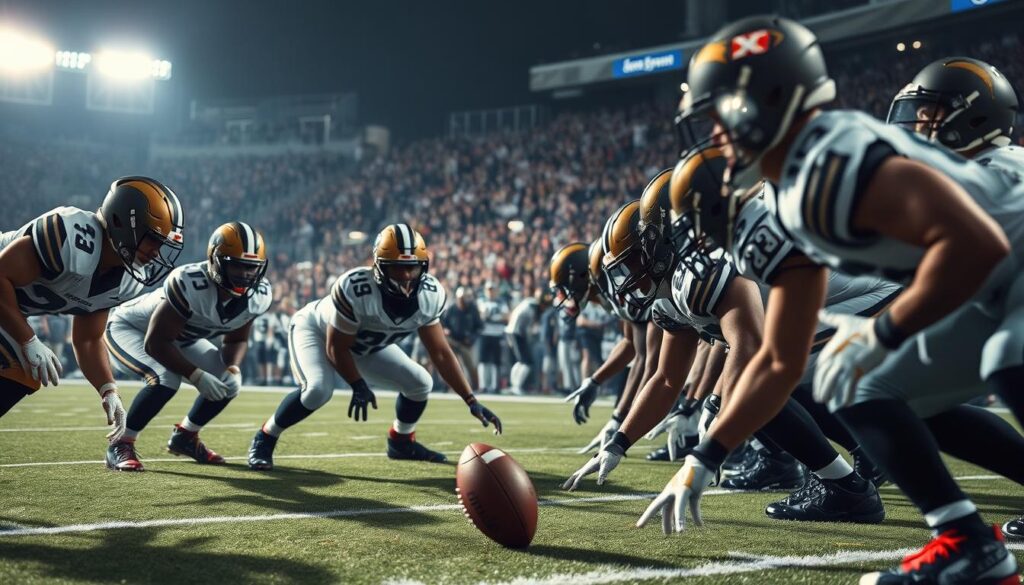
A stretch of three straight three-and-outs late in the fourth quarter halted a powerful opponent and set up the offense for a comeback. Those late-game stops created the chance for decisive scoring and changed how the standings looked the next day.
Officials’ reviews and situational rulings reshaped a single game’s outcome when a two-point play was awarded after review. That call altered playoff implications and showed how small margins affect a season.
Role players and unlikely heroes
Depth contributors stepped into spotlight roles. A career blocking tight end delivered the winning score and then converted a critical two-point try, giving new life to the roster’s veteran pieces.
Midseason additions on special teams produced sudden bursts. A long punt return touchdown and a dynamic end-around energized teammates and shifted momentum toward the defensive unit.
Injuries, roster depth and midseason adjustments
Lost defensive backs forced coaches to change coverages and rely on younger players. Defensive injuries adjustments included situational packages, rotation tweaks, and clearer communication at the line.
Those moves limited exposure late in games and preserved competitiveness. Coaches mixed schemes to hide inexperience and leaned on matchup planning to maintain late-game effectiveness.
nfl defensive dominance: Metrics, Matchups and Advanced Indicators
The numbers behind great defenses tell a clearer story than raw yardage. Teams that win tight games show strength in EPA per play, success rate and sack rate more often than they lead in total yards. Situational measures—third-down stops and red-zone defense—combine with timely takeaways to shift outcomes and momentum.
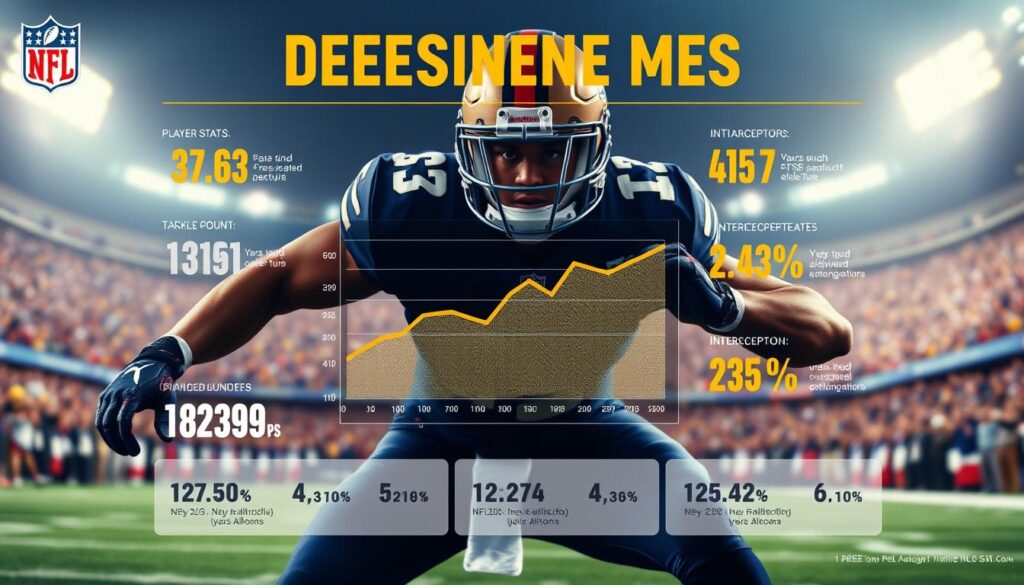
Look for shifts in EPA per play over several games rather than single-week spikes. A steady drop in opponent EPA per play signals true improvement. Pair that with rising success rate defense on third downs and an uptick in sack rate to spot a unit that is changing outcomes under pressure.
Matchup exploitation and schematic advantages
Coaches alter plans when cornerbacks or safeties are injured. Teams may disguise coverages or rotate personnel to hide weaknesses. Matchup game-planning that targets specific receiver-teams or tight-end alignments can force predictable snaps and create chances for takeaways.
Special-teams scouting adds leverage beyond the kickoff game. A single punt-return touchdown can flip field position and energize a defense for critical series. Smart use of situational personnel and special-teams scouting creates indirect defensive benefits that show up in late-game stats.
Betting and market implications
Sharp bettors and linesmakers track defensive metrics to find betting value when public narratives favor offense. Week-to-week moves in spreads often reflect changes in defensive health, matchup game-planning and situational strength. Models that weight EPA per play, success rate and takeaway rates often reveal market inefficiencies.
- Use sack rate and third-down success rate to adjust live lines.
- Watch turnover trends for sudden swings in betting value.
- Factor special-teams scouting when field-position shifts are likely.
Playoff Outlook: Why Defensive Resilience Wins Close Games
The postseason is less about piling up yards and more about making decisive plays when it matters. Playoff defensive resilience shows up in third-down stops, red-zone stands and two-minute defense. Those moments shrink margins, flip field position and force opponents into mistakes that single-elimination formats punish most.
Seattle’s recent run underlines this logic. Key defensive stops and special-teams scores helped clinch a playoff spot and strengthened the Seahawks playoff outlook inside the NFC West race despite offensive turnover problems. Finishing the regular season against Carolina and San Francisco will test situational defense — third-down work, red-zone stands and late-clock reactions that carry directly into playoff success.
Matching up with elite receivers like Puka Nacua and Cooper Kupp demands disguises, rotated personnel and careful risk management when cornerback depth is thin. Health updates for Coby Bryant, Nick Emmanwori and Riq Woolen will change projections, and turnover trends plus special-teams contributions often shift long-term outcomes more than total yardage. For historical context on how dominant defenses have decided seasons, see this look at past units and trends: dominant defenses through NFL history.
Coaching tendency under pressure also shapes markets and results. Aggressive disguise packages, timely blitzing and adaptive coverage plans raise win probability in close games and affect betting lines. In short, teams that prioritize situational defense, protect the red zone and force turnovers give themselves the best shot in one-and-done playoff football.

