
Alice Robinson shocked the field with her first career World Cup Super-G win in St. Moritz, edging Romane Miradoli by 0.08 seconds on a day when speeds topped 63 mph and hard, sun-baked snow punished hesitation.
The St. Moritz results read like a pre-holiday exam: Robinson attacked the course like a giant slalom racer, Romane Miradoli collected her fifth Super-G podium, and Sofia Goggia added another top-three finish as alpine racing news turns toward consistency ahead of the brief holiday break.
Course builder Alex Hoedlmoser set a flowing top, a technical middle and a high-speed finish that included a nearly 40-meter jump near the bottom. Officials delayed the start to inspect and shave the jump, a move that kept the race fair but raised questions about equipment and line choice under fast, hard conditions.
U.S. athletes posted strong efforts: Lindsey Vonn finished fourth in a return to speed, Keely Cashman held 14th from bib 2, Mary Bocock scored her first World Cup points in 18th, and Haley Cutler added her first Super-G points in 23rd. Later starters also benefited from consistent track conditions, with Nina Ortlieb and Stephanie Brunner salvaging solid results from higher bib numbers.
Key Takeaways
- Alice Robinson’s St. Moritz win highlights the importance of attacking Super-G like a GS run to secure speed victories.
- Course design and late inspection changes directly affected lines and outcomes on hard, fast snow.
- Strong U.S. showings underline depth as teams head into the holiday break.
- Later bibs found advantage from stable track conditions, stressing the role of course preservation.
- St. Moritz results add momentum and questions about athlete consistency ahead of upcoming World Cup races.
For context on the season’s slalom picture and how the calendar shapes momentum into the break, see this Alta Badia slalom preview for key racers and storylines: Alta Badia men’s slalom preview.
Race highlights and results from St. Moritz Super-G
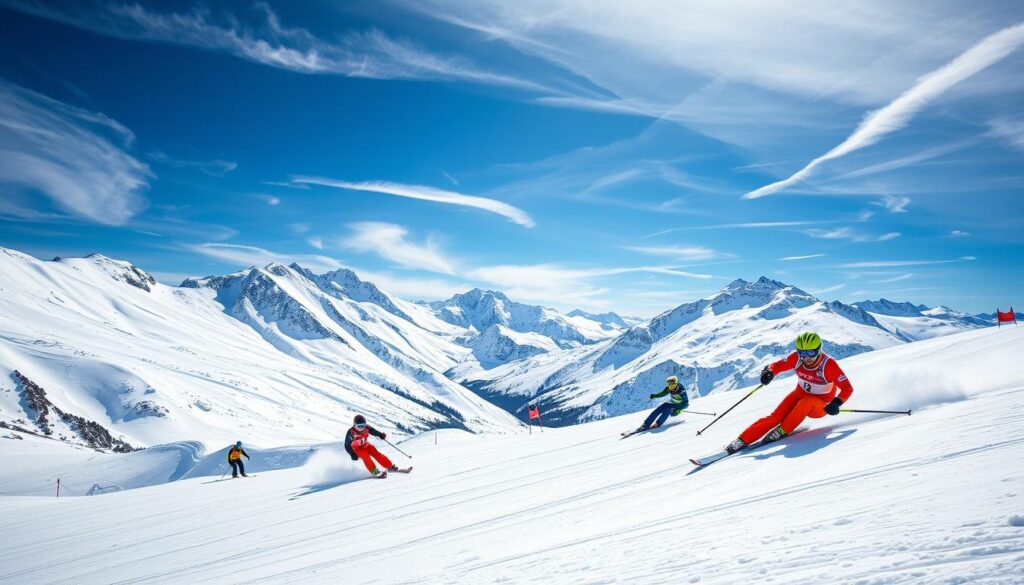
Alice Robinson took the win in a tight, strategic Super-G that left little room for error. The St. Moritz Super-G results showed Robinson using a blend of GS precision and downhill speed to claim top spot after starting sixth. Speeds topped 63 mph on hard snow under sunny skies, testing each racer’s nerve and line choice.
Podium order arrived with narrow margins. Romane Miradoli finished second, posting a Romane Miradoli time gap of +0.08 seconds to Robinson. Sofia Goggia completed the podium, with a Sofia Goggia podium time gap of +0.19 seconds after a previous downhill medal. Robinson credited a clear plan and lessons borrowed from other disciplines for her composed run.
The St. Moritz course conditions played a decisive role. Cold overnight temperatures and bright sun produced hard, fast snow that rewarded aggressive skiing. Race officials paused to inspect a big air feature before shaving the jump slightly, a change that influenced final lines and speed through the finish.
The Super-G course setup reflected Alex Hoedlmoser course design traits: a flowing top section, a technical middle and a high-speed finish. Racers needed to trust the line, manage pressure cleanly and commit on large air features that became critical after the jump shaved during inspection.
U.S. athletes showed depth in this event. Lindsey Vonn placed fourth after a conservative run following the delay. Keely Cashman performance stood out as she attacked early and held 14th. Mary Bocock first World Cup points came with an 18th-place finish, a milestone after limited downhill warm-up.
Other notable names mixed experience and resilience. Tricia Mangan improved to 21st after recent downhill struggles. Haley Cutler earned her first World Cup Super-G points in 23rd. Mikaela Shiffrin speed return drew attention when she missed a gate near the bottom despite a mostly promising run, suggesting a cautious re-entry to speed events.
Later bibs showed that consistent track conditions mattered. Nina Ortlieb climbed to 13th from bib 32. Stephanie Brunner and Maryna Gasienica-Daniel found solid runs deep in the start list. The full St. Moritz Super-G results highlighted how course setup and conditions combined to reward bold, clean skiing across the field.
Alpine Skiing World Cup: consistency tests ahead of the holiday pause
The final World Cup before holiday break acts as a key checkpoint for athletes and teams. Races in this window shape momentum before holiday pause and force quick decisions about rest and targeted starts.
The late-season pre-break races matter because they set tone for January events. Coaches use results to measure athlete consistency and to weigh World Cup points impact when naming lineups.
Why late-season pre-break races matter
A strong run before the pause builds Super-G season momentum and confidence. Breakthrough performances can change how an athlete spends the break, shifting focus from rest to technical work.
National staffs watch depth closely in these tests. Teams decide whether to protect a lead or chase extra World Cup points impact that affect discipline standings.
Impact on standings and selection for upcoming events
Early points from rising racers influence selection for Cortina and other January venues. Selection for Cortina often reflects recent form and the need to secure start list positioning after break.
Federations balance risk and reward. Picking athletes who scored well in the World Cup before holiday break can protect national quotas and start slots for later races.
Athlete consistency themes from recent races
Recent races highlighted the value of combining GS and downhill skills. Skiers who mix giant slalom precision with downhill aggression tend to find more consistent results in Super-G season momentum.
Mental focus after delays has become a repeated theme. Competitors who adapt quickly to schedule shifts and course changes maintain athlete consistency under pressure.
- Trusting technique while managing speed on jumps
- Prioritizing runs that protect World Cup points impact
- Using the break to refine start routines for start list positioning after break
Equipment, course management and safety considerations for speed events
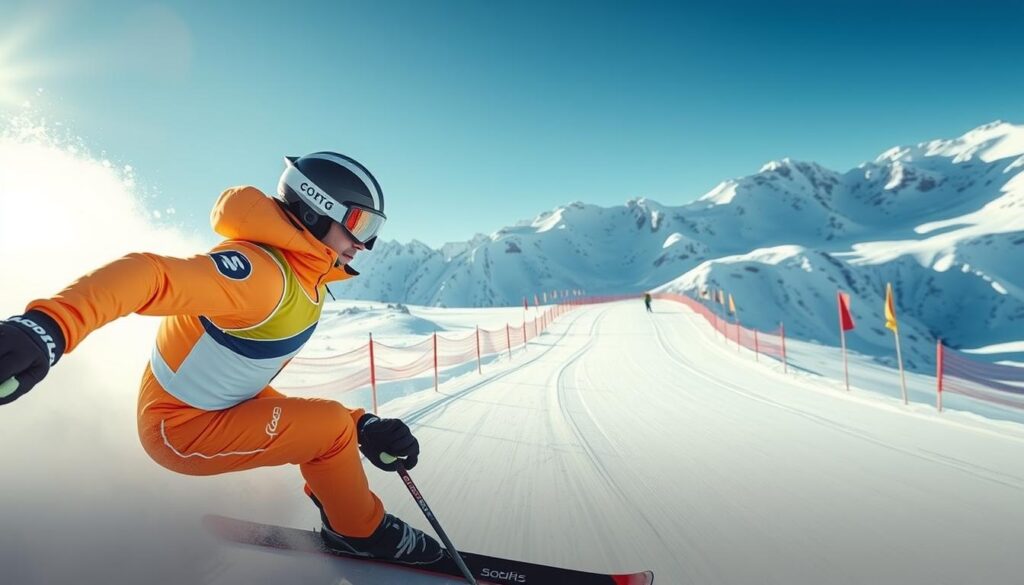
Race-day decisions in speed events often hinge on small margins between risk and reward. Officials balanced athlete safety with course challenge after a late race official inspection found a nearly 40-meter jump near the bottom. That jump modification was limited to course shaving to reduce height while keeping the feature competitive. Teams took note of how a targeted change altered ideal lines and rider confidence.
Course modifications and race officiating
Race official inspection protocols mean delay and communication become part of the contest. The jury, following rules similar to those in the official alpine document, weighed removal against preserving a true Super-G test. The decision to perform measured course shaving kept the challenge intact and respected safety norms found in the sport’s rule set; read more in the FIS guidelines on jury duties and course access.
Officials must document changes and brief teams on jump modification details. That clarity helps racers adapt equipment choices and run plans under updated conditions. A transparent inspection process supports fairness and minimizes disputes about course state after alterations.
Equipment and run strategy for fast, hard conditions
Hard, sunny surfaces favor aggressive line choice, tight edge control and ski setups tuned for speed. Teams dial in a ski setup hard snow approach with longer sidecuts and firmer flex profiles to stabilize landings and maintain speed through straights. Routine edge tuning for fast snow reduces chatter and improves grip on icy transitions.
Run strategy Super-G must factor in air time and compression zones. Athletes that combine confident takeoffs with disciplined edge control through the technical middle find faster, cleaner runs. Coaches should script rehearsal runs that test those elements while refining timing between gates.
Lessons from St. Moritz for coaches and teams
Alex Hoedlmoser course strategy offered a template for testing athlete consistency. A flowing top section built speed, a technical middle punished minor errors, and a high-speed finish demanded commitment. Observers saw that later bib racers sometimes benefited from consistent track conditions and that jump modification altered preferred lines.
- coaching takeaways: emphasize large-air practice and quick adaptation to inspection delays
- testing athlete consistency: evaluate repeatability under changing course states and time gaps
- ski setup hard snow: perform pre-race checks on edge tuning for fast snow and boot alignment
Practical steps for teams include focused tuning sessions, simulated race inspections and scenario planning for jump modification. These measures support Super-G safety and strengthen athlete readiness for the demands of World Cup speed events.
American team outlook and season planning before holiday break
St. Moritz confirmed depth on the U.S. roster and set clear priorities for season planning holiday break. Lindsey Vonn’s fourth-place line—steady with a few edges to sharpen—showed veteran pace and technical targets. Keely Cashman attacked from bib 2 to finish 14th, proving raw speed. Mary Bocock’s 18th-place score marked her first World Cup points after NorAm success, highlighting how feeder circuits translate to top-level results.
Tricia Mangan and Haley Cutler added value with 21st and 23rd place finishes, both recording their first Super-G points, which strengthens the American Super-G depth. Mikaela Shiffrin returned to speed training but missed a gate, underlining the tradeoff in her selective start plan. That choice will shape the U.S. Alpine team outlook as coaches weigh targeted starts versus full-season mileage.
Coaching staff face decisions about rest, training blocks and targeted starts through the holiday pause. The immediate goal is to protect recovery while keeping momentum for downhill and Super-G events. Plans will likely mix on-snow technical work, short power sessions and selective race entries to preserve athletes who show podium potential and to build confidence for those earning first points.
Viewed together, the results in St. Moritz give the U.S. a balanced base to enter the break. American Super-G depth allows flexible rotation, and smart season planning holiday break can turn point-scoring depth into sustained podium threat later in the campaign.

