
More than a billion viewers for marquee events and multibillion-dollar handles during peak fixtures turn calm trading desks into high-alert control rooms. Major events like the FIFA World Cup final and the Super Bowl concentrate audience attention, creating a betting volume surge that forces instant sportsbooks reaction across Europe, Asia, and the United States.
When the Super Bowl draws roughly 120–125 million U.S. viewers and the World Cup reaches global audiences in the billions, in-play odds shift by the second. Bookmakers must deliver real-time price adjustment to protect margins while keeping markets attractive for bettors. Prediction markets such as Kalshi have shown how quickly activity scales, and regulators sometimes step in when novel markets overlap with sports wagering.
Operational pressure follows the traffic: platform stability, payment rails, and customer support face intense strain during a betting volume surge. Complaints about delayed payouts and slow support during high-volume windows highlight why bookmakers invest heavily in monitoring systems and contingency processes to preserve trust and ensure smooth in-play odds management.
Key Takeaways
- High-profile events concentrate viewership and drive sudden betting volume surges.
- Bookmakers respond with rapid real-time price adjustment to protect exposure.
- In-play odds move faster during peak fixtures, requiring algorithmic and human oversight.
- Prediction markets and regulatory attention can amplify operational complexity.
- Platform stability, payments, and customer support are critical during surges.
Why this afternoon’s surge matters for live betting odds
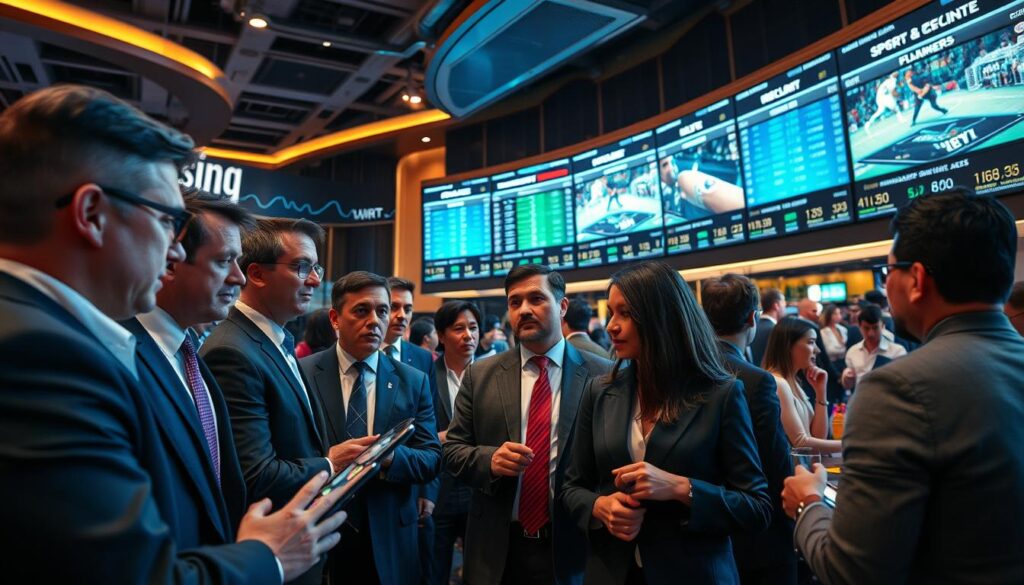
When volume spikes this afternoon, traders and bettors feel it in seconds. Fast-moving stakes change price discovery, shift lines and compress windows for profitable entries. Real-time monitoring lets sportsbooks spot abnormal handles before positions become unmanageable.
Event drivers behind sudden spikes in betting volume
Major fixtures such as the Super Bowl, FIFA World Cup matches and Champions League finals concentrate bets in tight timeframes and act as primary market drivers. Single events with heavy media focus can draw worldwide attention and huge per-capita wagering.
Breaking news, political developments and prediction-market shocks also prompt waves of activity on platforms like Kalshi. Local in-game incidents — injuries, red cards or sudden weather shifts — create immediate surges as bettors react to fresh information.
How bookmakers monitor and detect volume surges in real time
Bookmakers combine telemetry, order-book analytics and trader dashboards to detect early signs of stress. Systems flag bet-size concentration, throughput spikes and rising latency so traders can act quickly. Payment flows and session concurrency are secondary signals that often precede visible odds movement.
Prediction exchanges and regulated platforms demonstrate tick-level price shifts that mirror sportsbook order-flow. This real-time monitoring helps operators tune thresholds for alerts and route risky positions to hedging channels.
Immediate commercial impacts on sportsbooks and liquidity
Rapid liability accumulation forces quick pricing adjustments. If books fail to move, a single heavy market can produce outsized losses. To protect margins, operators widen spreads, lower limits or remove markets where betting liquidity is thin.
High traffic can strain platform performance and customer service. Delayed settlements and slower withdrawals harm trust and invite regulatory attention. Operators that handle surges well maintain liquidity and preserve reputation during peak windows.
Practical timing patterns matter for bettors who track value across the week; research on best days to bet outlines how midweek windows often yield stronger returns and how late-week public money can tighten lines. For a deeper look at timing effects and ROI patterns, see best days to bet sports.
How bookmakers adjust pricing and risk management
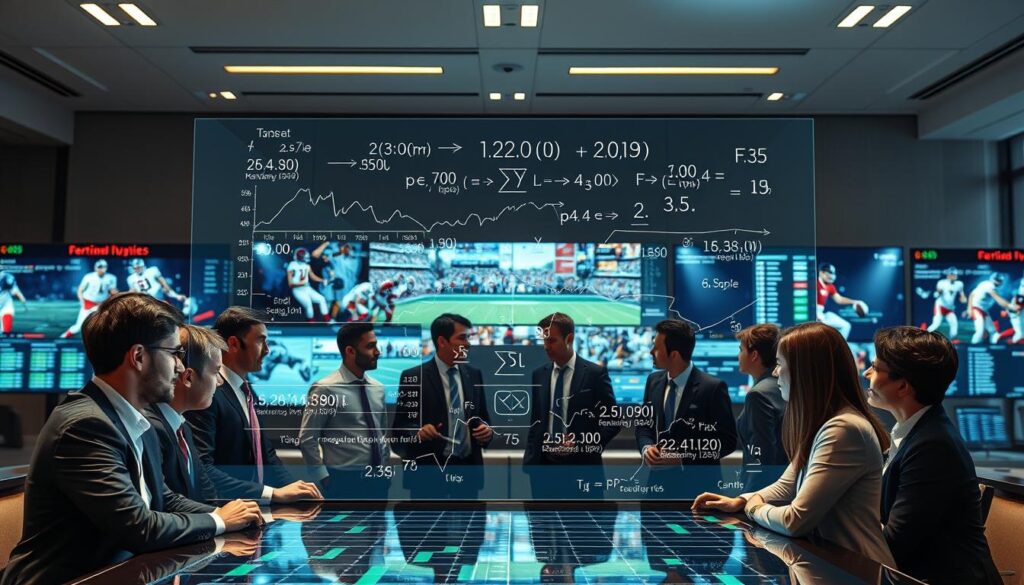
Bookmakers face split-second decisions when volume surges. Pricing engines push updates in milliseconds, yet experienced traders remain crucial for edge cases. This balance shapes live odds, controls exposure, and steers customer-facing actions during high-handle events.
Algorithms and human traders working together
Modern pricing algorithms consume live feeds, injury reports, and broadcast signals to refresh markets automatically. Models spot volume shifts and alter lines faster than manual teams can act. Trading desks at FanDuel and DraftKings still watch the book, ready to override models when an unusual pattern appears.
Senior traders apply judgment in World Cup and Super Bowl scenarios where stakes are extreme. This human oversight complements automated systems and supports trader risk management when models face limits or rare correlations.
Hedging strategies and liquidity sourcing
Books reduce liability by hedging bets across exchanges and with other operators. Layoff bets and trades with liquidity providers help flatten one-sided positions quickly. Access to major exchanges proves vital during peak flows.
Risk teams use dynamic liability caps and pre-planned hedging corridors for marquee fixtures. Some sportsbooks shift exposure across correlated markets, trading futures, props, or player lines to balance risk without moving public odds too aggressively.
Customer-facing moves: limits, odds movement, and messaging
- Reduce maximum stakes or suspend specific markets to stop single-party accumulation.
- Widen margins and accelerate odds movement to discourage arbitrage and restore balance.
- Scale back promotions or bonus offers to protect liquidity while maintaining trust.
Clear communication is essential. Fast, transparent messages about suspended markets, settlement timelines, and payout queries ease friction. Firms that pair quick messaging with effective in-play risk controls preserve reputations and limit regulatory complaints.
What bettors and regulators should watch during big-volume afternoons
During sharp spikes in live betting volume, bettors must prioritize platform stability and clear settlement rules. Fast load times, accurate round results, and prompt crediting of deposits are signs of reliable operators; repeated payout delays or opaque banking replies are red flags. Expect faster-moving lines, tighter limits, and occasional market suspensions, so use regulated U.S. sportsbooks and confirm withdrawal and identity-verification timelines before placing large stakes.
Price swings can create value but also raise execution risk. Watch for price inefficiencies while recognizing that rapid hedging by bookmakers and limited liquidity raise the chance of poor fills. Where possible, use exchanges to view market depth and avoid oversized bets on thin markets. Keep an eye on suspicious betting patterns and clustered wagers that may signal coordinated activity or attempts to distort prices.
Regulators should beef up telemetry and reporting requirements so operators log liquidity flows, handle, and alerts on suspicious bet clustering. Enforcement priorities include timely consumer safeguards around payouts, robust anti-money-laundering controls during deposit surges, and platform resilience under stress. High-profile events warrant pre-event coordination between regulators and firms to protect market integrity and ensure clear dispute-resolution paths.
Practical guidance: bettors should favor licensed sportsbooks and read payout policies closely, while regulators should enforce transparency, reserve liquidity requirements, and rapid complaint-resolution channels. For further context on live in-play advertising and market behavior during major events, see this study on in-play markets and advertising analysis, which highlights timing, odds patterns, and bookmaker practices relevant to both bettor protections and betting regulation.

