
Nearly 75% of spread money on the Broncos vs. Raiders pushed lines by a full point during Week 14, a clear sign that heavy betting action can force rapid odds adjustment across NFL, NBA, MLB, and NHL markets.
Bookmakers at FanDuel, BetMGM, DraftKings and SuperBook reported bolts of early money on favorites such as the Chiefs, Broncos and Packers last week, prompting line movement and sportsbook reaction that often outpaced injury reports and analytics updates.
In the Week 15 slate — a final normal scheduling week with 16 games — market pricing reflected standings and playoff odds from The Athletic and live books. Green Bay opened as a 2.5-point road favorite over Denver as simulators showed a 58% division chance for the Packers and meaningful seeding swings for the Broncos. Those probabilities feed the betting market and help explain why books adjusted lines when lopsided wagers arrived.
Situational details — red zone efficiency, pressure rates, and key injuries — combined with concentrated money on favorites to create notable swings. Examples from FanDuel lines and Anthony Dabbundo’s Week 15 verdicts, plus sportsbook commentary during Week 14, illustrate how sharp money and public plays produce rapid odds adjustment and observable line movement across multiple platforms.
Key Takeaways
- Heavy betting action on favorites drives quick odds adjustment and line movement across sportsbooks.
- Books respond to imbalances by shifting spreads, totals, or moneyline prices to manage liability.
- Standings, playoff probabilities, and situational stats often underpin market-moving wagers.
- Sharp money and concentrated public bets can produce different sportsbook reactions at BetMGM, DraftKings, FanDuel, and SuperBook.
- Monitoring live-market movement helps bettors interpret sportsbook reaction and evolving value.
How heavy betting action moves the lines in NFL, NBA, MLB, and NHL markets
Heavy tickets and concentrated bets force sportsbooks to manage market liquidity and exposure. Books use price shifts, adjustments to sportsbook juice, and limits to steer action and protect profit. Those responses form the core of line movement mechanics across pro sports.
Mechanics begin with incoming wagers and relevant news. Sharp bettors sending large money can trigger early moves on FanDuel or DraftKings. Public flurries later in the week add pressure, prompting oddsmakers to change spreads, totals, or moneylines to rebalance liabilities.
Mechanics of odds adjustment
Oddsmakers monitor bet percentage versus money percentage to spot sharp money and public sentiment. When money percentage diverges from bet percentage, books often adjust lines quickly to limit risk. They can tweak sportsbook juice, move limits, or shift lines to attract the other side.
Bookmakers incorporate injuries, matchup data, and situational context. For example, pressure rates, red-zone efficiency, and quarterback availability shape pricing in football. Market liquidity dictates how large a move must be to restore balance.
Examples from recent NFL weeks
Week-to-week NFL odds movement frequently reflected sharp bets and game context. In matchups where playoffs or clinching scenarios mattered, markets reacted faster and with larger moves. Packers–Broncos betting around Week 15 showed lines influenced by seeding probabilities and playoff stakes.
Other weeks highlighted tactical shifts after injury news. A team losing a key defensive lineman, or uncertainty at quarterback, led to rapid NFL odds movement as books adjusted spreads and offered alternate markets for bettors seeking different juice or prop prices.
Betting splits serve as a useful tool to read these shifts; split data helps identify when heavy money drove a number and when public action followed. For a practical primer, consult this guide on betting splits to see how bet and money percentages reveal market pressure: betting splits.
Cross-sport similarities and differences
Core mechanics apply across NFL, NBA, MLB, and NHL. Sharp money moves lines in all sports. Books balance trailing liabilities, adjust sportsbook juice, and use limits to control risk. Market liquidity and bet cadence affect how quickly these moves appear.
Differences arise from sport structure. NBA and MLB offer many events per day, increasing liquidity and creating subtler, continuous moves. NHL and MLB depend heavily on starting goaltenders and pitchers, which can cause sudden swings. Higher-scoring NBA games require distinct hedging and different spread behavior compared with low-scoring hockey.
- NBA: frequent markets, fast in-game adjustments, back-to-back scheduling matters.
- MLB: pitching rotations drive pregame volatility and sharp ticket focus.
- NHL: goalie confirmation and line matching change market timing.
- NFL: fewer games, heavier single-game tickets, pronounced NFL odds movement.
Understanding these nuances helps bettors anticipate movement and choose entry points. Watching market liquidity and how sportsbooks tweak juice gives clues to where value may appear across cross-sport betting action.
Sharp money, public money, and market signals: interpreting heavy betting action

Heavy action leaves clues that help bettors separate sharp money from public money. Watch volume and timing. Early, concentrated wagers from pro bettors tend to push lines quickly. Late, high-volume bets often reflect recency or emotional responses from casual players.
Identify betting signals by tracking percentages on spread and moneyline tickets. When a sportsbook reports a large share of spread bets on one side, that may be public money. If a few large wagers move a line early, that points to sharp money. Context matters: injuries, travel, and matchup analytics change how each type of money reads a market.
Favorites attract heavy action when standings or playoff stakes make a team seem more reliable. The Packers drew steady support in recent weeks because bettors viewed their record and consistency as predictive. At times, the Broncos drew less respect despite a strong record, creating divergence between perceived quality and public sentiment.
Emotional outcomes can drive sudden public surges. A last-minute Raiders cover, for example, can spark recency-driven bets that flood books late. Those surges create distinct betting signals that sharp players often fade or leverage with alternate markets.
Sportsbooks show their hand through sportsbook reaction. Traders move spreads and totals to balance liability. BetMGM and Borgata have adjusted point spreads and totals quickly when one side accumulates too much action.
Common tools for balancing risk include changing the pointspread, altering moneylines, and tweaking totals. SuperBook has temporarily taken games off the board when lines became unstable. Those actions send a clear signal about where a book sees excessive exposure.
Books also fine-tune pricing to steer action. Increasing juice, nudging alternate lines, or emphasizing same-game parlays can nudge bettors toward liability-reducing options. When DraftKings reported a dominant percent of spread and money bets on the Rams, the market moved toward Los Angeles to restore balance.
Practical indicators to monitor:
- Betting volume spikes early versus late.
- Large single wagers that move lines quickly.
- Shifts in totals when books seek to limit same-game parlay exposure.
- Games temporarily removed or reopened at different prices.
Reading these signals helps bettors choose whether to follow favorite betting action or look for value on the other side. Combine market data with matchup study for a clearer picture of where real edge may lie.
Odds adjustments and bettor strategy during lopsided market action
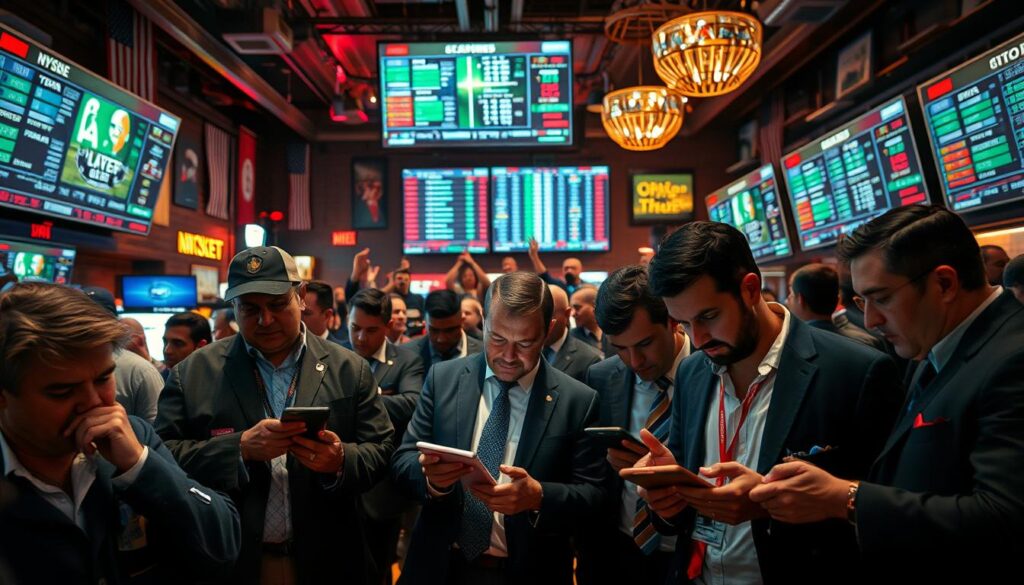
When one side draws a flood of wagers, lines move quickly and opportunities appear. Bettors should learn to separate sharp-led shifts from emotion-driven surges. That distinction helps decide whether to follow or fade heavy action without overcommitting.
Strategies for following or fading heavy betting action
Track where sportsbooks tighten juice and how books like DraftKings and FanDuel change numbers. Sharp money often shows concise, early movement on the moneyline and totals. Public cascades tend to create inflated favorites you can fade when fundamentals disagree.
Use timing to your advantage. Early tickets can reveal playoff incentives or injury news before markets fully price them. If the market moves on a clear analytical edge, follow with smaller units. If the move is emotional, consider fading with limited exposure.
Using props, alternate spreads, and totals to exploit movement
Alternate spreads and totals help trade around uncertainty. If a team’s quarterback status is unclear, alternate line pricing can preserve value while the main spread drifts.
Prop markets often lag team-line shifts. A prop betting strategy that targets tight end receiving lines or touchdown markets can capture value when team lines move first. Week 15 examples show player props on Isaiah Likely drew better payout opportunities than crowded team bets.
Risk management for recreational bettors
Smart bankroll management keeps one loss from wrecking a season. Size stakes relative to your bankroll and edge, using a Kelly fraction or fixed units to limit downside. Avoid chasing miracle covers the crowd just celebrated.
- Monitor juice and bet percentages before sizing a play.
- Pass on highly volatile contests when movement lacks clarity.
- Limit same-game parlay exposure to reduce betting risk.
Combine standings context and simulator probabilities as inputs. When playoff implications push early money, weigh the timing before acting. Use props and alternate spreads to preserve value while managing betting risk and protecting bankroll management goals.
Market case studies: Week 14–15 NFL movements that illustrate heavy action effects
Week 14 odds and Week 15 line movement offer clear lessons on how injuries, metrics and playoff math shape prices. In Week 14, live-market shifts from DraftKings and BetMGM showed the Broncos-Raiders spread swing to -8 as 76% of spread bets landed on Denver, and the Rams-Cardinals action (75% of bets, 83% of money on the Rams) forced rapid jumps to -9.5. Sportsbook commentary from Borgata and other books explained the need to protect exposure and same-game parlay liability, and often books need the Under when totals are vulnerable to late scratches.
Anthony Dabbundo’s Week 15 observations serve as micro case studies for market-driven logic. He flagged the Broncos as undervalued despite an 11–2 record, noted Patriots home-underdog skepticism, and highlighted Chargers offensive-line and Justin Herbert concerns pushing the total toward the Under against Kansas City. Colts uncertainty around a possible Philip Rivers start prompted alternate spread interest, while the Texans’ five-game surge and the Saints’ rookie returns (including Tyler Shough’s prior success) changed how sharps and the public allocated money.
The Broncos vs. Packers odds illustrated how seeding probabilities alter bet flow. A Packers 2.5-point favorite line in previews met heavy interest because a Broncos win would dramatically shift playoff chances — Colorado’s No. 1 seed probability rising from 39% to 55% with a victory. That changing landscape boosts liquidity and invites heavier wagers, which in turn amplifies Week 15 line movement as books rebalance risk and adjust juice.
Together, these cases show the mechanics bettors should watch: pressure rate, rushing success, EPA per drive, injury bulletins and real-time sportsbook commentary. Following live bet splits and sharp pushes during Week 14 odds action can reveal where value is fading or forming, and understanding why books need the Under or alter spreads helps recreational bettors time entries or use alternate markets for better risk control.

