
England wrapped up qualifying with a 100 percent record, but the real story is the scramble that follows. Managers now face last-minute drama as they decide a World Cup squad selection that could swing on form, fitness, and gut calls. Thomas Tuchel decisions will shape headlines, and every tweak feeds into England squad news across outlets in the United States and beyond.
The No.10 debate is a clear example of football surprises today: Jude Bellingham, Morgan Rogers, Phil Foden, Cole Palmer, Eberechi Eze, and Morgan Gibbs-White all press their case. Left-back choices add another layer of uncertainty, with Tino Livramento leading a crowded field that includes Nico O’Reilly, Djed Spence, Myles Lewis-Skelly, and Luke Shaw.
Selection choices reflect broader patterns in sport and media. Sudden exits and fan reactions in shows like Strictly Come Dancing show how last-minute results drive public narratives. Off-field football news, leaks, and transfer shocks produce similar ripples in club planning and fan sentiment.
On the wings and up front, Anthony Gordon’s injury opened opportunities for Marcus Rashford, while managers weigh Eberechi Eze and Noni Madueke as alternatives. Backup plans for Harry Kane — from Danny Welbeck to Ollie Watkins — highlight how match-day upsets and scoring form matter in final calls.
For more on the decisions shaping this run-in, see reporting on key tactical and selection dilemmas at Wandsworth Guardian, where Thomas Tuchel decisions and England squad news are explored in detail.
Last-Minute Drama: The Biggest Football Surprises Happening Today
England squad surprises keep headlines buzzing as Thomas Tuchel weighs tactical trade-offs ahead of England World Cup preparation. The national side’s perfect qualifying run, with wins over Serbia and Albania, set high expectations. Tuchel squad selection will hinge on form, fitness, and how players fit into a clear game plan.

England squad shake-ups and tactical last-minute choices
Tuchel faces a tense No.10 competition that pits Jude Bellingham against Morgan Rogers, with Phil Foden able to drift into a false nine role. Cole Palmer’s injury setbacks cut into his availability. Eberechi Eze and Morgan Gibbs-White press for spots, leaving managers to judge who offers the best tactical balance.
Left-back lottery and late selection drama
Left-back options remain unstable after ten different players filled the role across 17 games. Tino Livramento appears a frontrunner, while Nico O’Reilly, Djed Spence, Myles Lewis-Skelly and Luke Shaw have all staked claims. Late form and fitness will likely decide the final pick for Tuchel squad selection.
High-profile absences and shock omissions
International omissions have created headlines. Jack Grealish seems frozen out despite strong club displays at Everton. Trent Alexander-Arnold risks missing the World Cup and Harry Maguire’s international future looks uncertain under Tuchel. Managers must also pick a reliable Kane backup as Harry Kane stays first choice, with Danny Welbeck pushing for a comeback and Ollie Watkins needing more goals to secure selection.
Transfer and match-day upsets driving headlines for fans in the United States
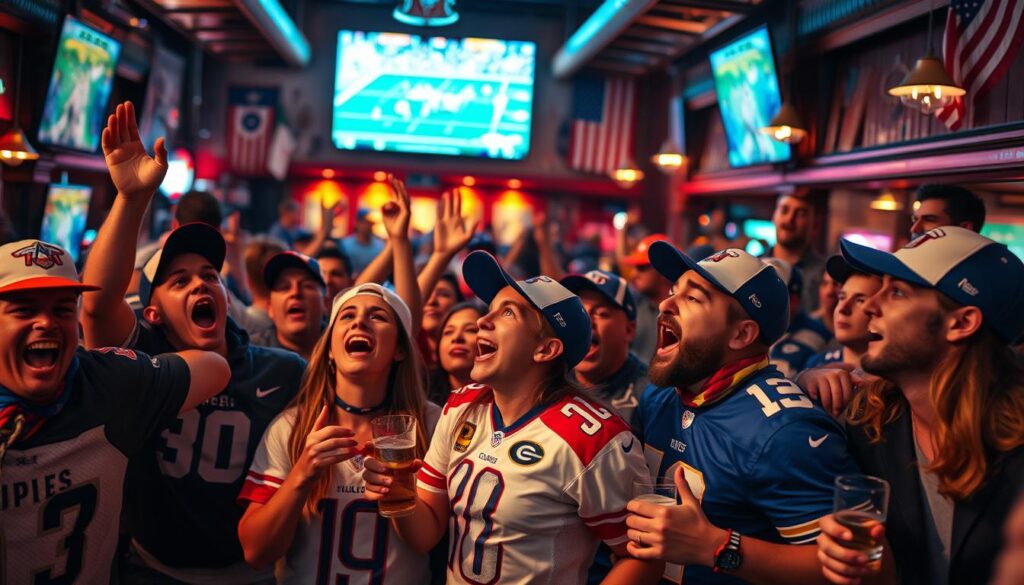
Late twists in the transfer market and sudden match-day surprises have U.S. football fans glued to social feeds. A single injury or unexpected loan move can shift selection debates and reshape media narratives across MLS and European leagues watched closely stateside.
Late injuries football often force managers to rethink game plans. Anthony Gordon’s absence earlier this season opened the door for Marcus Rashford in some England setups. Cole Palmer’s longer-term layoff left clubs and national teams scrambling for form and creative options.
Clubs must react fast to roster changes without destroying long-term plans. A high-profile transfer can solve immediate problems and create new ones when rotation becomes necessary. Marcus Rashford’s loan form at Barcelona shows how a move alters both club roles and international prospects.
Striker backup issues surface when leading scorers drop form or miss time. Ollie Watkins’ dip at Aston Villa highlights the need for depth. Danny Welbeck’s attempted comeback shows veteran returns can be a short-term fix for sudden scoring gaps.
Managers under pressure may switch tactics to steady results. Deploying Phil Foden as a false nine or rotating full-backs are quick fixes seen in big games. Thomas Tuchel faced calls to pick squads that balance immediate needs with flexibility for the rest of a campaign.
Fan reaction and social media amplify every twist. U.S. audiences react to transfer upsets and late injuries football with strong opinions, creating headlines that push clubs into reactive roster changes. That churn increases managerial pressure and can lead to hurried decisions.
Economic uncertainty and leaked rumors make the environment more volatile. Speculation around moves or lineups can force short-term tactics that satisfy crowds but harm long-term strategy. For American viewers, these cycles become the main talking points in US football fans headlines.
Off-field surprises that shape the football news cycle
Leaks and speculation can dominate football headlines off-field long before a ball is kicked. When transfer rumours, selection hints, or agent statements leak, they create uncertainty that feeds media reaction football and drives continuous coverage. That churn alters the rhythm of reporting and forces clubs like Manchester United, Liverpool, and Chelsea to respond quickly to protect reputations.
Political and financial shocks also alter planning. Andy Haldane’s analysis of Budget speculation shows how prolonged uncertainty makes businesses and consumers “hunker down.” The same dynamic applies in sport: economic impact on sport shows up in sponsor hesitancy, ticket sales and transfer budgets when off-field stories linger. Clubs must weigh commercial risk when leaks and speculation threaten revenue streams.
Emotional narratives shape fan sentiment more than many realize. A player’s social post or an agent’s comment can spark viral threads that overshadow match coverage. Media reaction football often amplifies those posts, turning private tensions into public crises. Clear club communications and timely statements from managers can redirect focus back to performance and morale.
To limit damage, national teams and clubs should tighten processes and plan contingency messaging. Whether it’s selection news around England’s squad or unexpected personal developments, a watertight approach or genuine consultation reduces harmful speculation. Managing the intersection of political and financial shocks, leaks and speculation, and fan sentiment is now central to preserving commercial stability and competitive focus ahead of major events like the World Cup.

