
Nearly 30% of sportsbook line shifts occur in the final two hours before kickoff, a surge that forces rapid sportsbook adjustments and changes how bettors view kickoff odds.
Late betting action — wagers placed in the final hours and minutes before a game — often drives the most dramatic market movement. Books such as DraftKings, BetMGM and Caesars open lines early, but pregame line shifts accelerate as injury alerts, fresh game film and large accounts push prices.
Recent weeks showed the effect clearly: spreads can swing several points in 90 minutes, totals move with emerging weather or status reports, and futures adjust after big weekend performances. That pattern makes the last stretch before kickoff the market’s highest-impact window.
This section outlines why those late moves matter and how they reshape expectations across NFL, college football and NBA markets. The rest of the article will dig into the mechanics behind pregame line shifts, the sources that trigger them, and what bettors should watch when kickoff odds start to gyrate.
Key Takeaways
- Late betting action concentrates a large share of market movement just before kickoff.
- Sportsbook adjustments respond quickly to injury news, heavy public money and sharp accounts.
- Pregame line shifts can change both spreads and totals by several points in short windows.
- Watching live odds at multiple books helps detect where market movement is coming from.
- Understanding late swings is essential for timing bets or hedges ahead of kickoff odds.
How late betting action moves lines and totals in the final hours
Late betting action compresses a market quickly. As money flows in, line movement mechanics react to where cash and tickets land. Sportsbooks watch betting handle and ticket counts to decide if a price needs shifting or if traders should lean on hedging to control sportsbook liability.
Why books change numbers is simple. Heavy one-sided wagers create market exposure that can force a book to move a spread or a moneyline. DraftKings and BetMGM staff have noted cases where a high percentage of spread money pushes a number past a key threshold. Trading managers may choose to hedge with other books or tweak vig to blunt further lopsided action.
Why sportsbooks adjust: liability, exposure and hedging
Sportsbooks balance risk against profit. When liability grows on one side, limits and odds shifts arrive fast. Hedging becomes a practical tool; a book might lay off part of its exposure to another operator or make offsetting bets in affiliated markets. That behavior keeps payouts manageable when late news or parlay volume skews the book.
Patterns seen in late movement: favorites, underdogs and key numbers
Favorites often attract early public tickets, but late sharp money or injury updates can flip a market. Underdog money may appear late to counter heavy favorite parlays, nudging lines toward pick’em. Key numbers such as 3 and 7 act like magnets; books avoid sitting on those figures to limit peak sportsbook liability around typical scoring margins.
Impact on totals and prop markets
Totals respond differently to late developments. Quarterback availability, weather, or sudden inactives can shave multiple points from a pregame total. Player props shift just as fast; passing yards and anytime-scorer lines move when starters are questionable. When uncertainty spikes, some props are taken down or limited to reduce market exposure and preserve balance across correlated markets.
- Juice tweaks: books change vigorish to discourage more bets on a stressed side.
- Cross-market hedging: spread moves often pair with total and prop reprices to align risk.
- Parlay pressure: heavy parlay betting on a favorite can force spreads and moneylines to adjust.
Sources driving late swings: injuries, news and sharp bettors
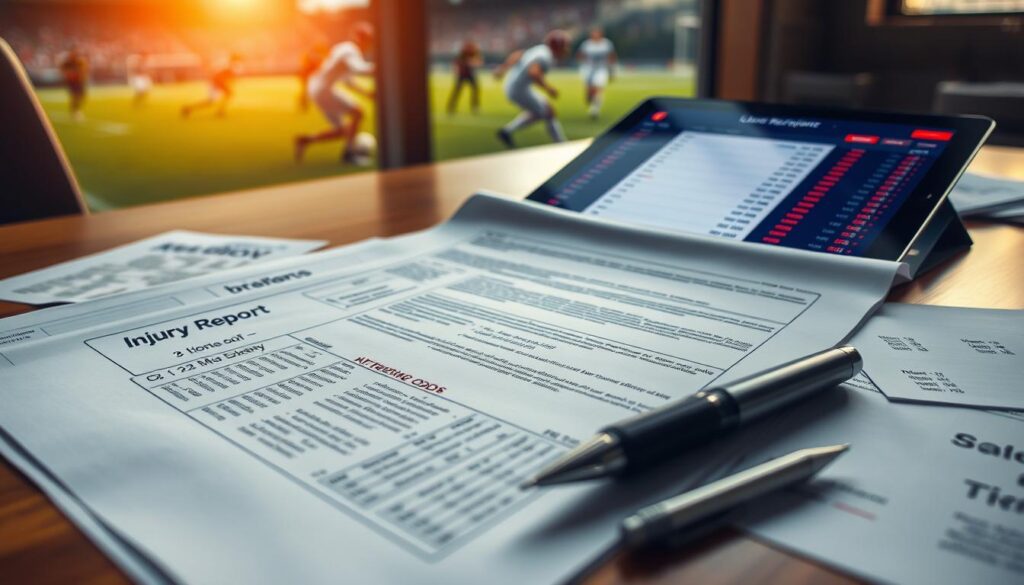
Late swings often begin with an injury update or an availability alert. Official injury reports and lineup alerts can flip public perception in minutes. When a starter is moved from questionable vs. doubtful or ruled out, books react by shifting spreads and totals to reflect the new risk.
High-profile examples show how fast the market moves. A sudden ruling out for Lamar Jackson created rapid injury-driven line changes for the Ravens, sending the spread and total down sharply. Similar patterns appear when a quarterback’s status changes during the week; bettors wait for confirmation and then act, which forces repricing.
Injury and availability alerts that alter expectations
Beat writers and outlets like ESPN often break availability news before sportsbooks update lines. Those early reports create a window for sharp accounts to press bets or for the public to respond to last-minute intel.
Late scratches and late scratches at kickoff can force books to pull or adjust player props. Totals have dropped by 3–5 points in past events when a key player was declared out, showing how concentrated the impact can be on pregame markets.
News catalysts beyond injuries: coaching changes and roster moves
Coaching announcements and sudden roster transactions can move lines too. Reports of staff firings or a coordinator change alter game plans and expected play-calling, prompting market repricing well before kickoff.
College football transfer news and roster moves influence futures and single-game pricing. Books factor in late roster moves and role-player activations when they adjust lines and props to account for altered rotations.
Sharp action and market signals from big accounts
Books watch large bets closely. Whale accounts and syndicate wagers can trigger noticeable moves, even if ticket counts remain split. When books report heavy action from big accounts, that often signals informed money driving a repricing.
Monitoring sharp money gives bettors clues without insisting they follow blindly. A tightened line after a large wager can be a market signal similar to price discovery in financial markets, so line shopping and context matter. For more on how books move lines in response to money and media, see this guide on why the line moves: why the line moves.
- Watch injury reports and questionable vs. doubtful tags for early indicators.
- Track lineup alerts and late scratches that affect rotations and props.
- Note where money concentrates; sharp bettors often reveal mispricings.
- Combine news signals—coaching, trades and roster moves—with market action to form a clearer view.
Late betting action and bettor behavior: public vs. professional responses
Late-game swings expose gaps between what casual bettors do and how pros react. Public betting patterns often show up as heavy ticket volume on favorites and touchdown teams in the final hour. Professional bettors track cash flow, line drift and liquidity to spot real value when that noise clears.

Public tendencies in the final hours
Many casual bettors pile into moneyline parlays and favorite-heavy tickets on marquee teams. This creates visible ticket skew without equal cash backing, which books note when setting limits. Late public money tends to concentrate on narratives: teams coming off wins or players with recent big performances draw outsized action due to recency bias.
Impulse bets, weather chatter and easy line-shopping push more small tickets toward popular teams. That can make lines move in one direction even when the total cash suggests a different market balance.
How pros exploit last-minute inefficiencies
Sharp bettors search for value where ticket volume and money flow diverge. Syndicates and seasoned accounts use information edge from real-time injury feeds and cross-book price checks to place concentrated wagers. Those larger bets often force sportsbooks at DraftKings or BetMGM to adjust quickly, revealing true money movement versus mere ticket noise.
Pros also monitor key numbers and market liquidity to time entries. When a book responds unevenly across markets, value hunting becomes practical. Following sharp money and watching pregame windows uncovers where a +EV opportunity exists.
When to consider moving with or against late action
Move with late action when it stems from confirmed facts: official inactives, severe weather reports or reliable injuries that change the matchup. Those events create measurable shifts that justify adjusting a pregame bet or hedging an existing stake.
Fade the public when late public money is driven by parlays, ticket-heavy swings or hero bettor behavior with no sharp support. Use cross-book line shopping to spot where value remains and manage risk with hedges if a dramatic move threatens your exposure.
- Look for corroborating cash behind a move, not just ticket volume.
- Track timing bets and liquidity across books to detect contrarian spots.
- Use bankroll rules and hedging to limit downside when late action forces changes.
Practical takeaways for bettors and market watchers before kickoff
Build a simple pregame checklist that starts with injury alerts and official inactive reports. Follow reputable beat reporters and outlets like ESPN for confirmed updates on quarterbacks such as Lamar Jackson or Jayden Daniels, since those items can trigger swift market reactions.
Keep up with line monitoring and volume splits across books. Compare ticket percentage vs. cash percentage on BetMGM, DraftKings and Borgata to spot where liability is concentrated. When one side has many tickets but little cash, be cautious and avoid overreacting without corroborating evidence.
Watch sharps and sportsbook commentary for trading signals. Public comments from trading managers such as Christian Cipollini, Tom Gable and John Murray, plus observed line sweeps, often reveal where professional money is flowing. Use late betting tips to decide whether value remains after a move.
Shop lines, size bets prudently and plan hedges as part of your sportsbook strategy. Cross-book odds aggregators can uncover small edges on props and moneylines. If you hold early positions, consider partial hedges when playoff or futures odds shift due to late news. Finally, act only when information is verifiable and the math favors you — avoid narrative-driven bets and parlay-chasing in the final minutes.

