
Sixty percent of major sportsbook line moves this week happened before the stadium lights came on, signaling that sharp money is dictating early NFL odds movement more often than casual betting. Moneyline betting — the simple pick-the-winner market shown as plus/minus — is responding in real time as professional bettors place large, confident tickets that force books to reprice NFL betting lines.
Sportsbooks such as BetMGM, Caesars, and Borgata set opening odds using team strength, injuries, weather and expected public action. When sharp action lands, those initial prices slide: examples this season include Buffalo’s line moving from -1.5 toward pick’em in some shops and the Kansas City game tightening from -5.5 to -4.5. A shift from +180 to +150 or –150 to –120 reflects rising market confidence and alters value for both novices and experienced bettors.
Key Takeaways
- Sharp money often triggers early line movement on moneyline betting, changing perceived game probabilities.
- Books update NFL betting lines based on wagers, injury news, and public liability to limit exposure.
- Monitoring early line movement gives bettors insight into where professional bettors are placing risk.
- Moneylines are simple to read and useful for parlays, hedging, and finding value after sharp-driven shifts.
- Public reporting from major sportsbooks and social platforms helps track where early sharp action concentrates.
How Sharp Money Drives NFL Odds Movement
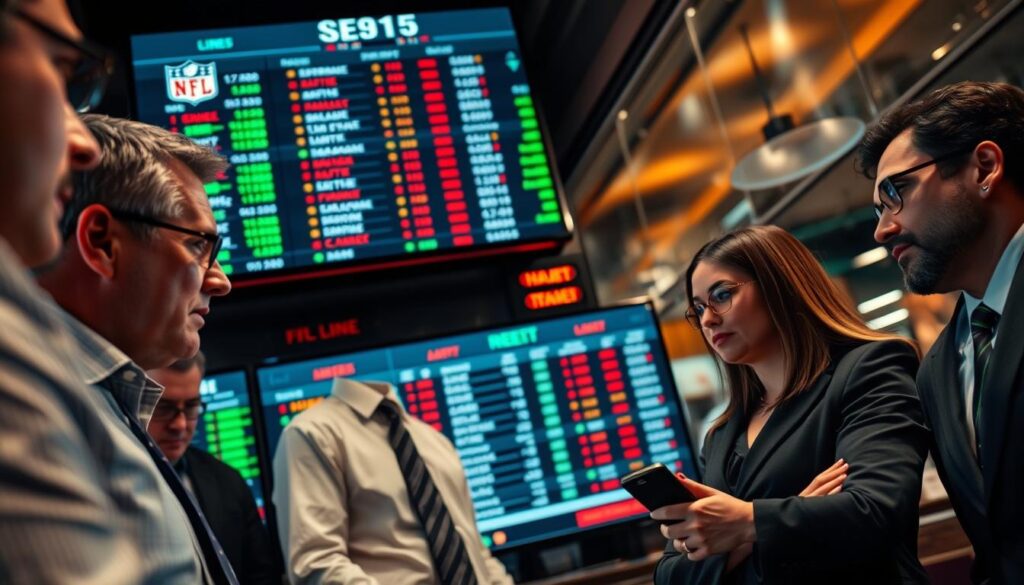
The first tickets that hit a market can change the story around a game. Sharp bettors and professional bettors move quickly when they spot edges. Sportsbooks watch those early patterns to judge whether their numbers match real probability or need repair.
Who the experts are and why books pay attention
- Experienced limit players, syndicates and known winning accounts make up the sharp cohort. Their bet sizes and timing differ from casual action.
- Casinos such as Caesars and BetMGM track these accounts. A string of large, accurate wagers signals information beyond public sentiment.
- When sharp money aligns across multiple sportsbooks, traders treat it as input on true game probability instead of mere luck.
How lines change to protect the books
- Books adjust spreads, totals and moneylines to rebalance liability and reduce risk management strain. Small moves can be a half-point swing on a spread or a minus-one on a total.
- Traders at Vegas books will shift a number to attract action on the other side once exposure grows lopsided.
- Adjustments reflect new information, large single wagers, injury updates and weather. Repricing can flip a favorite into a pick’em in tight markets.
Real examples from recent NFL weeks
- Rams-Lions totals saw sharp money push one book from 52.5 to 55.5 after early tickets backed the over.
- A six-figure wager on the Rams at Caesars illustrated how a $111,000 bet can confirm sharp sentiment and nudge lines.
- Early action on the Chargers after concerns about Justin Herbert’s hand produced one-way traffic that forced multiple sportsbooks line moves.
Traders do not treat every large ticket the same. Context, account history and market breadth matter when deciding how far to move a price.
Reading Moneylines: Basics and What Early Moves Reveal

Moneyline bets remove the spread and make picking a winner straightforward. The moneyline format uses negative numbers for favorites and positive numbers for underdogs. On FanDuel and other books, a line like –150 shows how much you must risk to win $100, while +130 means a $100 stake returns $130 profit if the underdog wins.
New bettors like the clarity of plus/minus odds. Experts use moneylines for single-game plays or to craft multiplays. Understanding how payouts change with favorites and underdogs helps you size bets and spot value when lines shift early.
How to read early moves
- Big jumps from +180 to +150 for an underdog mean the market has gained confidence in that team.
- A favorite tightening from –150 to –120 suggests the favorite’s chances are perceived as higher or sportsbooks are balancing action.
- Timing matters: a rapid move late in the week differs from steady shifts across several days.
Track patterns to interpret line movement. Sharp wagers tend to move lines quickly and decisively. Public volume can push lines the other way. Monitor both the size and timing of bets to tell whether a move signals sustainable value or short-lived noise.
Information that triggers fast adjustments
- Injury impact on odds is among the biggest catalysts. Missing a starting quarterback or key defender forces books to react and bettors to adjust.
- Weather and NFL betting often intersect on totals and game scripts. Wind, rain, or snow in outdoor stadiums can lower totals and shift moneylines toward running teams or better defenses.
- Late authoritative reports, such as practice participation or official confirmations, prompt quick line changes from major sportsbooks.
Smart bettors monitor injury reports, official confirmations, and forecasts to get ahead of moves. Combine that intel with an ability to interpret line movement and you improve the chance to find value before the market settles.
Where the Public Is Betting vs. Where Sharp Action Is Landing
Public betting trends often differ from where sharp tickets and large dollars land. Tracking both ticket counts and handle paints a clearer picture of market flow. Bettors who watch handle vs. tickets can spot when books are balancing liability or when pros move a line.
At BetMGM public data shows games that draw the most wagers are not always the biggest in handle. The five most-bet contests by tickets included Buffalo Bills -1.5, Los Angeles Chargers +6, Carolina Panthers -2.5, Denver Broncos +1, and Detroit Lions +6. By dollars wagered, BetMGM listed Houston Texans -10, Buffalo Bills -1.5, Philadelphia Eagles -12.5, and New York Jets +14.
Ticket-heavy markets can favor totals and niche props. Totals with the highest ticket volume included Browns-Bears Under 38.5, Bills-Patriots Over 49, Ravens-Bengals Over 51.5, Raiders-Eagles Under 37.5, and Lions-Rams Over 55. These items show a split between public interest and where sharp dollars concentrate.
Comparing most-bet games by tickets and dollars at major books
Books such as Caesars, Borgata and BetMGM publish different snapshots. One shop might list a game with huge ticket volume while another reports a larger handle. That gap matters for understanding market pressure and trader responses.
- Tickets can reveal public sentiment and which markets attract casual bettors.
- Handle shows where big NFL bets and professional money are applying real monetary force.
- Watching both metrics helps separate hype from value.
Week examples: Bills, Chargers, Rams, and other heavy-action matchups
Bills lines opened around -1.5 at several books then drifted to -1 or pick’em in places where one-way traffic favored Buffalo. That pattern reflects sustained public interest plus sharp tickets in some shops.
Chargers vs. Chiefs action illustrated early sharp reaction to injury news. Lines moved from Chiefs -5.5 to -4.5 while totals fell from 45 to 43.5 in shops seeing anti-Chiefs money. Early Chargers support showed how sharp tickets can appear before the public adjusts.
Rams-Lions saw sharp money push totals higher, with openers near 52.5 and some books as high as 55.5. Caesars recorded a $111,000 wager on Rams -6 (-111), an example of a six-figure play that altered market perception.
Ravens-Bengals activity shifted with Joe Burrow’s status, sparking same-game-parlay interest and under movement from 52.5 to 51.5 after sharp tickets hit across books.
Notable large wagers and sharp tickets that moved lines
Sharp tickets we tracked included Rams -4.5 and the Rams-Lions over 52.5, Chargers +5.5, Bills PK at some shops, Ravens-Bengals under 52.5, Vikings +6.5, Bears -7, and Jaguars -12.5/-13. These plays often precede wider market shifts.
- Large wagers send immediate signals to traders, prompting line trims or reversals.
- Reverse line movement occurs when a market shifts against public betting trends, hinting at sharp action.
- Monitoring multiple books reduces blind spots and exposes where smart money lands.
Use brief market checks and the linked primer on reading line movement to sharpen your view of how lines change and why they move the way they do: why line movement matters.
Tracking BetMGM public data alongside other books gives clarity on handle vs. tickets and highlights when big NFL bets differ from mass market plays. That contrast is often where betting value appears.
Using NFL odds movement in Your Betting Strategy
Monitor odds movement all week to read market sentiment and hunt value betting spots. Early moneyline or spread shifts often reveal whether sharp bettors or the public are leaning a certain way. When a line moves from Bills -1.5 to -1 or from +180 to +150 soon after release, pause and decide if that shift reflects real news or a sharp advantage worth following.
Shop lines across FanDuel, BetMGM, Caesars, and Borgata to lock better prices; small differences on moneylines and spreads compound over time. Compare ticket volume to handle: many small wagers usually signal public action, while large-dollar handle or identified sharp tickets suggest professional interest. Use those signals when you decide to follow or fade movement.
Combine injury reports, weather updates, and roster news with odds tracking. Alerts about Justin Herbert-type injuries or Joe Burrow’s return can spur same-game parlay demand and create temporary inefficiencies. If movement looks driven by fresh information, consider entering early or planning hedging closer to kickoff to protect your stake when lines swing against you.
Keep disciplined records and manage bankrolls. Treat moneyline plays as part of a broader betting strategy that includes parlays, hedging, and single-game bets. Avoid chasing late public lines without a clear reason, and review past bets to refine how you interpret and act on odds movement for long-term edge.

