
Nearly 2 billion people tuned in to Winter Games viewership in 2022, showing that global winter sports capture a quarter of the planet’s attention during peak competition periods.
The next Winter Games in Milano Cortina 2026 (February 6–22, 2026) will build on that reach by blending tradition with modern media strategies to keep winter sports global audience figures strong between Olympic cycles. Broadcasters and platforms now stitch linear TV, streaming, and social clips into a continuous feed of winter sports news and highlights.
Marquee disciplines — figure skating, alpine skiing, ice hockey, and snowboarding — continue to drive mass engagement, while year‑round circuits and niche series expand storytelling and sponsorship opportunities beyond quadrennial peaks.
Key Takeaways
- Winter Games viewership reached about 2 billion in 2022, underscoring sustained global interest.
- Milano Cortina 2026 aims to capitalise on multi‑platform coverage and modern broadcast tech.
- Top disciplines provide headline moments while year‑round events grow the winter sports global audience.
- Streaming fragmentation has not diminished the ability of major events to attract mass audiences.
- For context and legacy details, see the Milano Cortina 2026 overview on the IOC site: Milano Cortina 2026.
Winter Games and audience reach: winter sports as a global spectacle
The Winter Games reach wide audiences across continents and platforms. Peak viewing for single events often grabs headlines, yet cumulative reach over 17 days brings a near 2 billion global sports audience. This Winter Games viewership comparison places winter multi-sport coverage alongside other major global events in scale.
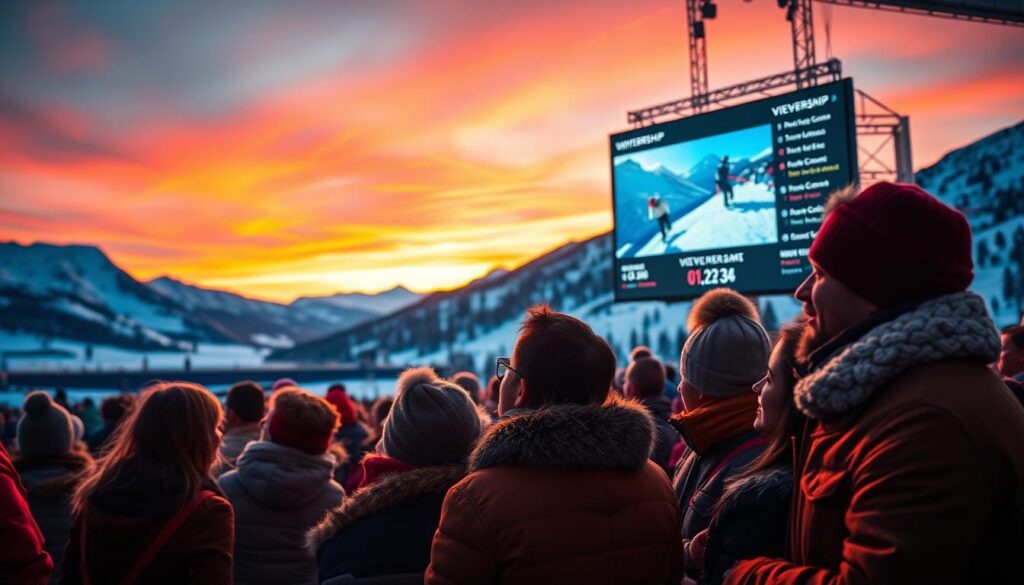
Viewership scale compared to other major events
Single-event peaks such as the FIFA World Cup final or the Super Bowl outdraw most winter finals in one sitting. Still, the Winter Games join the most watched sporting events when total unique viewers across all sessions are counted. Broadcasters report that cumulative reach matches several summer multisport events and sits well above many annual competitions.
Which winter disciplines drive the most attention
Figure skating viewership often spikes for medal programs and gala shows. Alpine skiing audience numbers climb for downhill and combined events that finish in prime windows. Ice hockey ratings surge in nations like Canada, Sweden, and the United States where national teams create concentrated peaks.
Snowboarding events bring a different profile. They draw younger, digitally native fans who boost social video, highlight clips, and on‑demand plays. This mix of traditional TV viewers and streaming-first audiences changes how top winter sports are valued by rights holders and sponsors.
Timing and the media environment
Sports scheduling matters for reach. Winter months open broadcast windows when many football competitions shift or pause regionally. Smart sports scheduling and broadcast timing can capture viewers across time zones and reduce direct competition with marquee summer fixtures.
The media environment for winter sports blends linear TV, streaming platforms, and social engagement. Measurement now folds together TV ratings, streaming totals, average watch duration, and peak concurrent viewers. Technology upgrades such as improved feeds, drone coverage, and richer on-screen graphics help lift live sports consumption and keep audiences engaged outside headline moments.
global winter sports rise beyond the Olympic spotlight
Winter sport activity now moves past a single event cycle. Year-round winter competitions keep fans engaged across seasons. Organizers, athletes, and broadcasters fill the winter sports calendar with steady stories that reach new audiences.

Year-round competitions that grow audiences
Circuits such as the Golden Trail World Series show how non-Olympic formats scale. The GTWS attracts thousands of runners from dozens of countries and drives a broader trail running global audience. These events create weekly and monthly hooks for coverage and sponsorship.
Continual races keep interest alive between major events. A constant slate of competition gives fans reasons to return to the winter sports calendar more often.
Broadcast and digital innovations boosting engagement
Investments in sports broadcast innovation have changed how winter sports reach viewers. Live streaming and improved production tools bring remote courses to living rooms. Viewers now see drone relays, clearer graphics, and virtual classifications that explain on-course drama.
Expanded GTWS broadcast hours on linear and on-demand platforms increase exposure. Broadcasters and rights holders test new formats to raise sports digital engagement during race weeks and beyond.
Growing social and community ecosystems
Strong social engagement winter sports campaigns drive community growth. The Golden Trail World Series posts frequent content and sees notable GTWS social growth across TikTok, Instagram, and YouTube. That growth converts passive viewers into active followers.
Sports community platforms support deeper ties. A verified Strava club and dedicated segments let fans replay courses and follow athlete efforts. Community features encourage participation and strengthen the trail running global audience.
How regional and niche winter events create global narratives
Smaller winter events often spark the headlines that shape broader stories. A single standout moment can shift attention from local trails to international feeds and change how audiences see a discipline.
High-profile races produce moments that travel fast. Record performances winter sports become shareable clips and fuel social conversation. When athletes break elite trail records, outlets beyond specialist sites pick up the story, widening reach.
At the Broken Arrow Skyrace, new Broken Arrow Skyrace records draw coverage that reaches mainstream sports desks. Legendary names such as Kilian Jornet give classic events enduring relevance and help newer performances sit beside long-held benchmarks.
Local venues can host globally relevant events through smart media distribution winter sports strategies. Broadcaster partnerships let a small race appear in many territories. This approach turns community venues into stages for international audiences.
Platforms like FloSports, SuperSport, and iQiYi amplify stories from regional races. Those deals increase local winter events global coverage and place niche competitions on schedules alongside large tournaments.
Journalist work depends on clear sports media accreditation and robust press assets. Accredited reporters get faster access, better quotes, and timely data. That access improves journalist coverage winter sports and raises reporting standards.
The GTWS media hub model shows how central resources help reporters do more. A dedicated GTWS media hub with live timing, curated images, and multilingual releases shortens turnaround and supports varied editorial needs.
Organizers extend event life with post-race packages and documentaries. Tailored previews, curated interviews, and highlight reels drive repeat viewings. These materials give newsrooms the content they need to tell deeper stories.
List of key elements that turn regional action into global narrative:
- Compelling performances that set or challenge elite trail records
- Targeted media distribution winter sports and broadcaster partnerships
- Clear sports media accreditation and accessible press assets
- Centralized hubs for live data, interviews, and image packages
When these pieces align, niche events gain persistent coverage and help grow audiences beyond traditional winter sports fans. That pattern keeps high-profile results in front of new viewers and cements their place in the wider sports conversation.
Commercial impact and fan behavior: what winter sports mean for media and markets
Winter sports deliver clear commercial impact winter sports through a mix of marquee events and steady content. The Winter Games’ roughly 2 billion reach and year‑round series create sales opportunities for broadcasters and brands. When rights holders like Warner Bros. Discovery report 67+ broadcast hours and nearly 18 million platform views, sports sponsorship winter events become easier to value and scale.
Fan behavior shifts drive monetization strategies. Younger viewers favor short clips and highlights on TikTok and YouTube, while older audiences still tune into linear broadcasts. This split boosts fan engagement winter sports across platforms and supports mixed revenue models: linear rights, subscription streaming, and social advertising. Advertisers can target episodic peaks—record runs and medal moments—to mirror the impact of single‑event spectacles.
Market signals from mainstream sports prove the point: huge viewership for events like the Super Bowl and UEFA Champions League Final shows advertisers will follow big moments. In sports media markets, winter disciplines convert consistent content output into monetizable hours and global exposure across 90 territories. That consistency underpins larger, long‑term sponsorship commitments.
Journalistic and commercial infrastructure matters. Accredited media, verified community hubs, and upgraded broadcast tech make scalable deals workable for brands and rights holders. Together, these elements increase the confidence of agencies and sponsors, ensuring winter sports secure meaningful shelf space in advertising plans throughout the year.

