
More than 65% of NFL games see meaningful pregame odds movement inside 24 hours of kickoff, underscoring how quickly market direction forms before the first snap.
Betting market trends are the lens through which moneyline, spread, totals, props, and futures converge into actionable prices. Pregame odds translate probability into payout and serve as negotiation points set by sportsbooks like DraftKings, FanDuel, and Caesars to attract balanced action.
Lines move when new information arrives — injury reports, weather updates, or large wagers from sharp bettors — and when public sentiment tilts. Those shifts create different kickoff lines across books, which disciplined bettors exploit by line shopping or finding micro-arbitrage opportunities.
Core metrics such as handle, turnover, and hold reveal liquidity and market appetite. Healthy handle with a reasonable hold signals quicker, more reliable line adjustments and better chances to capture value before kickoff.
Understanding spreads, moneylines, totals, vig, and prop characteristics helps bettors convert theory into practical decisions. Pregame direction forms the baseline that live pricing reacts to, so mastering pregame odds and market direction is essential for long-term edge in sports betting news and wagering strategy.
Key Takeaways
- Pregame odds often shift heavily in the final 24 hours before kickoff.
- Different sportsbooks can show different kickoff lines — line shopping matters.
- Handle, turnover, and hold indicate market liquidity and line quality.
- Sharp action and public money both drive market direction in distinct ways.
- Mastering odds conversion and market trends improves pregame decision-making.
How pregame lines are formed and why they move
Pregame markets begin with a mix of data and judgment. Opening lines come from models, odds compilers, and in-house handicappers who weigh injury reports, travel, weather, home-field edge, and recent form. These opening lines serve as the baseline that sportsbooks use to gauge risk and attract early action.
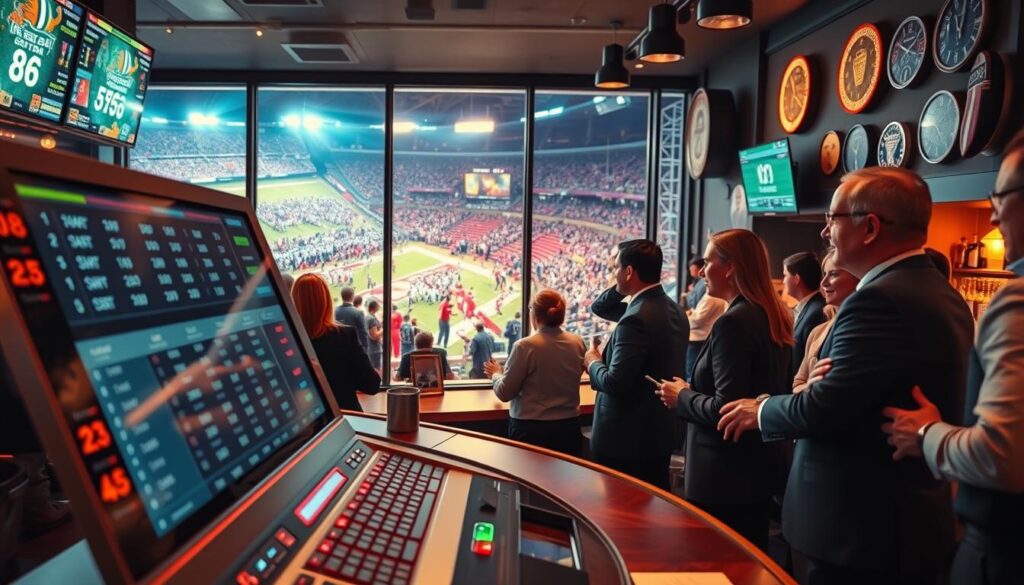
Books set initial numbers to balance exposure. DraftKings, FanDuel, William Hill, and other operators each use different models and risk tolerances, so sportsbook pricing can vary across outlets. Those differences give bettors a chance to shop lines and find better entry points.
Real-time information flows change markets quickly. Data feeds, lineup confirmations, and late injury news force continuous adjustments. When concrete updates arrive, markets can reprice within minutes. The intensity of line movement rises sharply in the final hours before kickoff.
-
Models update with fresh inputs and push prices where probability shifts.
-
Human traders lean on model output plus market signals to tweak limits.
-
Automated algorithms can trigger cascades of small moves across books.
Money from sharp bettors often precedes broader repricing. Syndicates and professional players place substantial wagers at critical prices, forcing books to adjust faster than casual public bets do. Sharp action tends to identify mispriced markets long before the crowd reacts.
Public money moves lines in predictable ways at times. Casual bettors tilt toward favorites, popular teams, and overs in high-scoring matchups. When large public percentages pile onto one side, books may shift prices to manage liability, prompting visible line movement.
Knowing the source of pressure matters. Sharp bettors are spotted by size, timing, and by bets placed when juice is low. Public-driven moves show up as volume that arrives later and at less informative price points. Tracking both types helps analysts spot informational gaps.
Vigorish and liquidity shape long-term market quality. Lower vigorish reduces the embedded cost to bettors and tightens the spread between true probability and offered odds. Higher handle and turnover let books absorb larger stakes without dramatic swings, which improves closing accuracy.
-
Watch opening lines for baseline model intent.
-
Monitor timing and volume to separate sharp versus public pressure.
-
Compare vigorish across books to understand the effective cost of a bet.
-
Note liquidity to judge how reliably a price reflects market consensus.
Recording initial pricing, subsequent moves, and the tempo behind each change gives bettors an edge. That record reveals when market pricing failed to account for an event or when new information made a line obsolete.
betting market trends: reading direction and extracting value

Market direction gives a quick sense of where money and information are aligning. A consensus line forms when multiple books agree, revealing public pressure and sharp activity. Tracking that consensus helps you spot early shifts and measure the strength of movement.
Consensus, closing line value (CLV), and what direction means
Consensus pricing shows where the crowd and professional bettors converge. If a single book deviates from consensus, that gap can signal either mispricing or targeted action. Closing line value (CLV) measures how your wager compares to the final pregame price.
Positive CLV suggests you beat market adjustments over time. CLV must be viewed with stake size and sample size in mind. Use historical CLV as a performance metric, not a guarantee of short-term wins.
Spotting value: comparing implied probability to model estimates
Convert odds to implied probability and compare them to your model’s fair number. For American odds, use standard formulas for positive and negative lines to get consistent implied probability figures.
When your model shows a materially higher probability than the market, you may have value. Test that edge across many bets and avoid overreacting to single instances where public models lack late-breaking information.
Market types to watch pregame: spreads, moneylines, totals, and props
Spreads quantify expected margins. Small differences, like -3.5 versus -4, matter for cover probability. Moneylines show outright odds and convert naturally into implied probability for direct comparisons.
Totals depend on pace, weather, and injuries. Props and futures can offer value but carry larger margins and variance. Focus on markets with solid liquidity so your bets can be sized and cashed out reliably.
Practical tools: line shopping, odds conversion, and tracking handles
Line shopping across multiple sportsbooks reduces effective vig and improves your chance of positive CLV. Use odds converters for real-time implied probability checks and to compare American, decimal, and fractional formats.
Track handles and turnover to see where heavy money flows. Sudden spikes often indicate sharp interest or public mania. Combine those signals with consensus movement to form a disciplined staking plan.
- Compare consensus lines across books for directional cues.
- Use CLV as a long-term metric of market-beating performance.
- Convert odds to implied probability before sizing bets.
- Shop lines to capture half-point differences and better moneyline prices.
For a practical primer on reading lines and how markets move in response to public bets and new information, see this guide on interpreting betting lines: how to read betting lines.
How bettors and services respond to pre-kickoff direction
Sharp pre-kickoff movement shapes bettors strategy and timing. Some bettors hunt early lines to capture closing line value, while others wait for late news from injury reports or weather that can produce sharper prices. Deciding when to act requires balancing value capture against the risk that odds deteriorate as liquidity flows in.
Tipster services and betting services tend to follow structured, data-driven frameworks. Professional syndicates use model-backed match selection and prioritize liquidity and data richness. Disciplined tipsters often publish unit-based staking recommendations—commonly 1–2% of bankroll—which helps subscribers mirror intended exposure and supports sound bankroll management.
Real-world limits matter: even well-tested models can suffer during losing runs, and public models often trail the sharpest market when late information hits. Practical countermeasures for bettors include defining a dedicated betting bankroll, tracking every stake and outcome, and reviewing performance on a monthly basis or after a set sample of bets. Avoid over-staking after wins, cherry-picking tips, and ignoring regional odds availability.
In practice, smart bettors combine model estimates, CLV awareness, line shopping, and disciplined staking to respond to pre-kickoff adjustments. When used properly, tipster services can add value by enforcing discipline, saving research time, and teaching value betting. Successful implementation, however, depends on realistic expectations, prompt bet placement, and access to competitive odds to turn signals into long-term edge.

